
Recausticizing Filter Problems Burning Through Your Budget? Reduce Kiln Fuel Costs & Downtime with Parason
X Filters in your white liquor plant face the harshest conditions in the entire mill — caustic chemicals, extreme temperatures, and abrasive lime mud. When filter performance drops, your lime kiln pays the price. Parason delivers specialized components that keep your recausticizing running at peak efficiency.
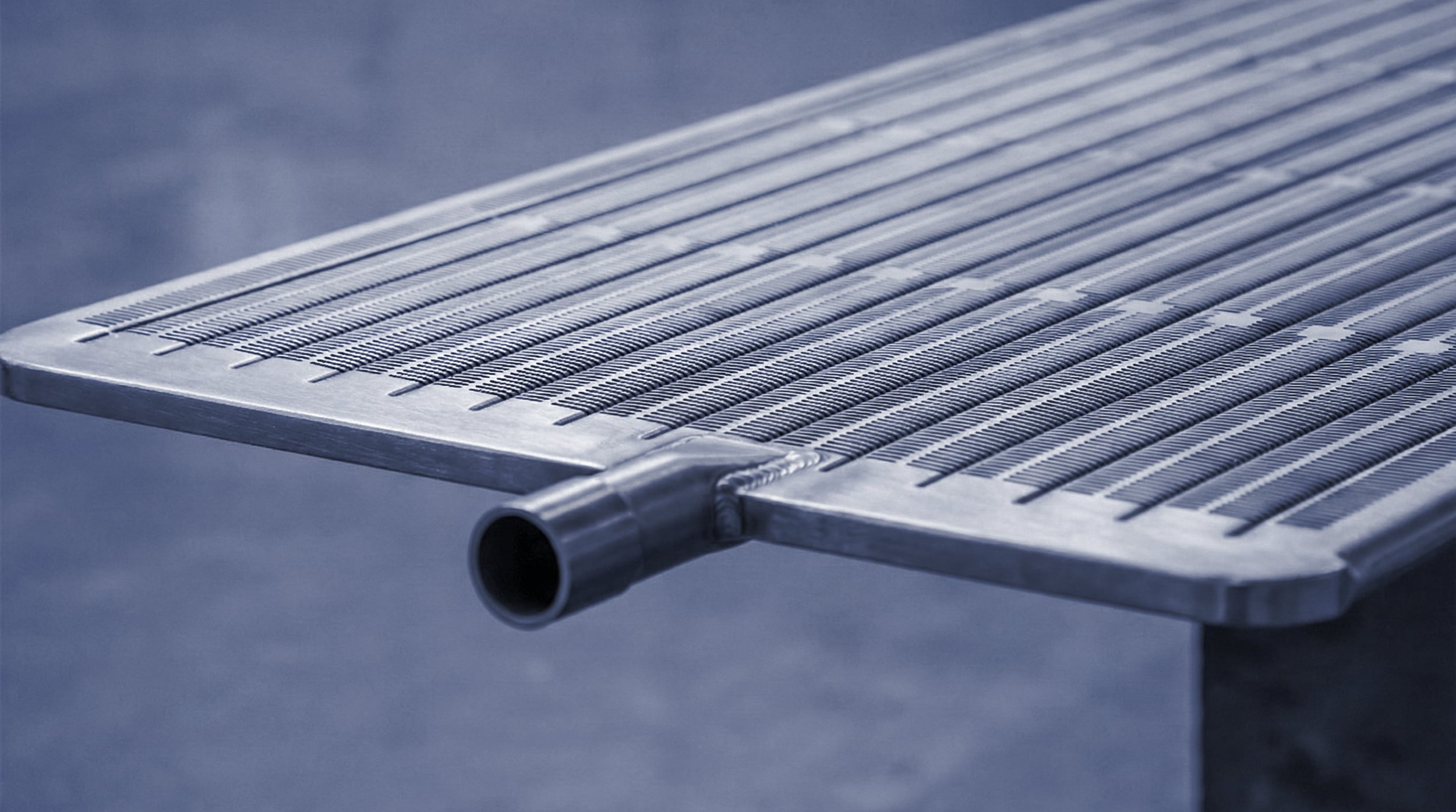
Where X Filters Work in Chemical Recovery
In kraft pulp mills, the recausticizing process is the final stage of chemical recovery — converting green liquor back to white liquor for cooking. X Filters play critical roles at multiple stages.
Recovery Boiler
Black liquor burned → molten smelt produced
Dissolving Tank
Smelt + water → green liquor (Na₂S + Na₂CO₃)
Green Liquor Filtration
X FILTER removes dregs from green liquor
X Filter StageCausticizing
Green liquor + lime → white liquor (NaOH) + lime mud (CaCO₃)
White Liquor Filtration
X FILTER separates lime mud from white liquor
X Filter StageLime Mud Dewatering
X FILTER dewaters lime mud before lime kiln
X Filter StageLime Kiln
Lime mud → quicklime (CaO) → back to causticizing
1. Recovery Boiler
Black liquor burned → molten smelt produced
2. Dissolving Tank
Smelt + water → green liquor (Na₂S + Na₂CO₃)
3. Green Liquor FiltrationX Filter
X FILTER removes dregs from green liquor
4. Causticizing
Green liquor + lime → white liquor (NaOH) + lime mud (CaCO₃)
5. White Liquor FiltrationX Filter
X FILTER separates lime mud from white liquor
6. Lime Mud DewateringX Filter
X FILTER dewaters lime mud before lime kiln
7. Lime Kiln
Lime mud → quicklime (CaO) → back to causticizing
X Filters at stages 3, 5, and 6 are critical. Poor performance at any stage cascades through the entire recovery cycle — affecting white liquor quality, lime kiln efficiency, and ultimately pulp cooking quality.
Why Your Recausticizing X Filters Are Underperforming
The recausticizing environment is the toughest in the mill. Filters face conditions that rapidly degrade conventional components.
Filter Fabric Clogging
Lime mud particles, calcium carbonate deposits, and chemical scaling clog filter fabrics rapidly. Clogged fabrics require frequent acid washes — each wash means a production stop, corrosive chemical exposure to the fabric, and shortened fabric life.
Poor Lime Mud Dry Solids
When filter performance drops, lime mud goes to the kiln with excess moisture. Even a 2-3% decrease in dry solids content dramatically increases kiln fuel consumption — burning more natural gas or fuel oil to evaporate the extra water.
Low White Liquor Clarity
Degraded filter fabrics allow lime mud particles to pass through into the white liquor. Contaminated white liquor reduces cooking efficiency, produces lower quality pulp, and increases chemical consumption in the digester.
Extreme Chemical & Thermal Attack
Recausticizing filters operate at high temperatures (80-95°C) in highly caustic environments (pH 12-14). These conditions rapidly degrade conventional filter fabrics and corrode metal components far faster than in stock preparation applications.
High Maintenance Frequency
Between acid washes (every 2-4 weeks), fabric replacements (every 6-12 months), and valve overhauls — recausticizing X Filters demand 3-4x more maintenance attention than paper machine save-all filters.
OEM Fabrics Not Optimized
Generic OEM X Filter fabrics are designed for broad applications. They are not specifically optimized for the unique demands of green liquor dregs removal, white liquor clarity requirements, or lime mud dewatering conditions.
When Your Filter Underperforms, Your Lime Kiln Pays the Price
The lime kiln is one of the most energy-intensive units in a kraft mill. Every percentage point of extra moisture in lime mud translates directly to higher fuel consumption. Poor white liquor quality forces overcooking and chemical waste in the digester. The financial cascade from a poorly performing recausticizing filter reaches every corner of the mill.
Specialized Filtration for Recausticizing. Engineered to Last.
Parason supplies X Filter components and fabrics specifically engineered for the extreme demands of recausticizing — improving lime mud dryness, white liquor clarity, and reducing maintenance downtime.
Higher Open-Area Grid Sectors
Parason's grid segments with higher open area resist clogging from lime mud deposits. Material cannot accumulate inside the sector structure, maintaining consistent filtration performance between maintenance cycles.
Optimized Fabrics for Recausticizing
Specialized filter fabrics engineered for high-temperature, high-pH caustic environments. Tighter weave patterns achieve higher white liquor clarity while resisting chemical and thermal degradation.
Higher Lime Mud Dry Solids
Optimized sector design and fabric selection achieve 2-3% higher dry solids content in lime mud sent to the kiln. This directly translates to 3-5% fuel savings — worth $300,000-800,000 annually per mill.
50% Fewer Acid Washes Required
Clog-resistant sector design and advanced fabrics maintain flow capacity longer between cleaning cycles. Fewer acid washes mean less downtime, less fabric damage, and lower chemical costs.
Extended Fabric Life
Parason fabrics for recausticizing achieve 30-50% longer service life compared to generic OEM fabrics, reducing replacement frequency and the labor cost of fabric change-outs during shutdowns.
Compatible with All OEM Filters
Drop-in replacement sectors, fabrics, and components fit existing X Filters from all major OEM brands including Voith, GL&V, Hedemora, and others. Improve your recausticizing performance without replacing the entire filter.
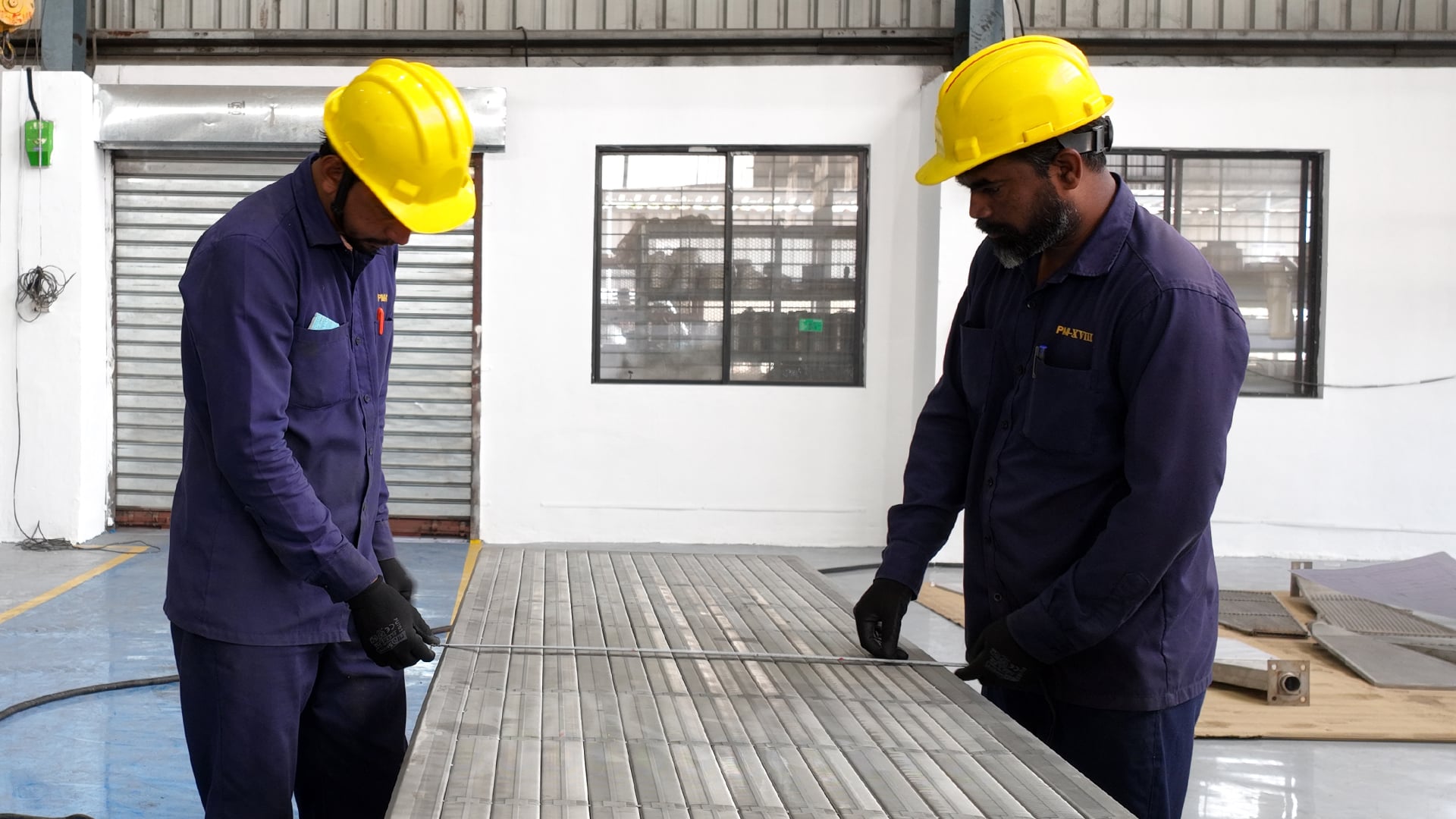
Parason Solutions for Every Recausticizing Filtration Stage
Each filtration stage in the white liquor plant has unique requirements. Parason addresses each one specifically.
Green Liquor Filtration
Removing dregs (insoluble residue) from green liquor after the dissolving tank. Clean green liquor is essential for efficient causticizing.
Key Challenges
High dregs concentration (2000-3000 mg/l possible), abrasive particles, variable liquor density, entrained air in feed.
Parason Solution
High open-area sectors prevent dregs buildup. Optimized fabric achieves clear green liquor with minimal dregs carry-over. Compatible with all green liquor X Filter and clarifier installations.

White Liquor Filtration
Separating lime mud (CaCO₃) from white liquor (NaOH) after causticizing. White liquor clarity directly impacts pulp cooking quality.
Key Challenges
Fine lime mud particles, high temperature (85-95°C), strongly caustic (pH 13-14), free lime creates equipment problems at high causticity.
Parason Solution
Specialized tight-weave fabrics achieve superior white liquor clarity. Chemical-resistant materials withstand continuous caustic exposure. Higher dry solids in separated lime mud reduce kiln fuel consumption.
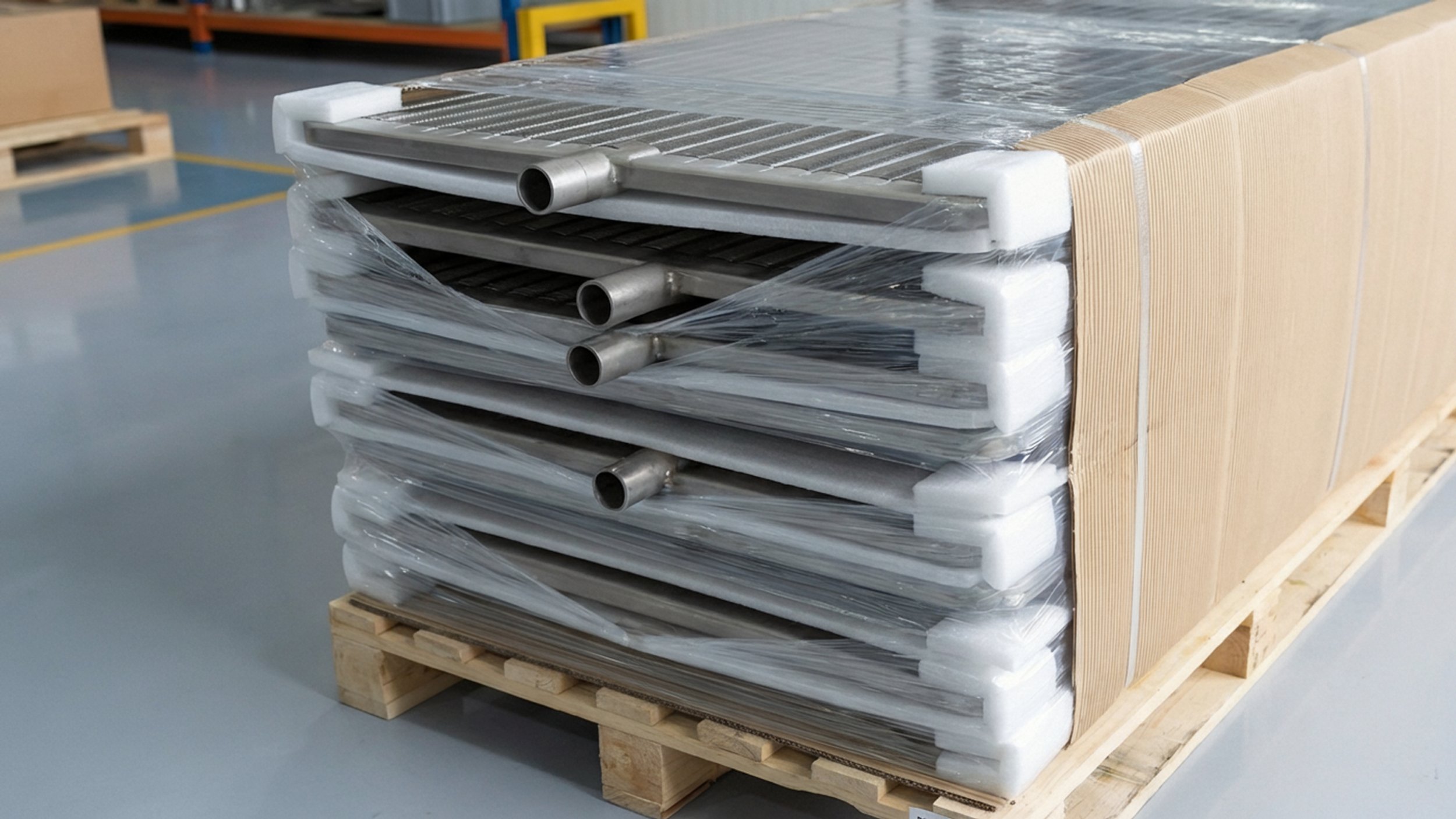
Lime Mud Dewatering
Dewatering lime mud before feeding to the lime kiln. Higher dry solids = lower kiln fuel consumption and more stable kiln operation.
Key Challenges
Achieving maximum dry solids (ideally 75-80%), effective washing to remove residual alkali (reduces kiln ringing/balling), handling variable mud consistency.
Parason Solution
Optimized sector and fabric design maximizes dry solids content. Effective precoat and washing systems reduce residual soda content. Consistent performance at both high and low production rates for excellent turndown capability.
Generic OEM Parts vs Parason Recausticizing-Optimized Parts
* Comparison based on general market data and customer feedback. Actual results may vary by specific application and operating conditions.
Calculate Your Potential Savings
See how much your mill could save by switching to Parason recausticizing-optimized X Filter components.
Kiln Fuel Savings
2-3% higher lime mud dry solids → 3-5% fuel reduction
Reduced Downtime
50% fewer acid washes + longer fabric life
Lower Parts Cost
40-60% savings on replacement fabrics, sectors, and valves
Total Potential Annual Savings
$400,000 – $1,100,000
per mill
Trusted in the Toughest Mill Environments
Related X Filter Solutions
Explore more ways to optimize your X Filter performance and reduce costs
Stop Burning Money in Your Lime Kiln
Get a free recausticizing filtration assessment. Parason engineers will analyze your current lime mud dryness, white liquor clarity, and maintenance frequency — and recommend optimized components that pay for themselves within months.