
Stock Preparation/Cleaning
Cleaning Solutions
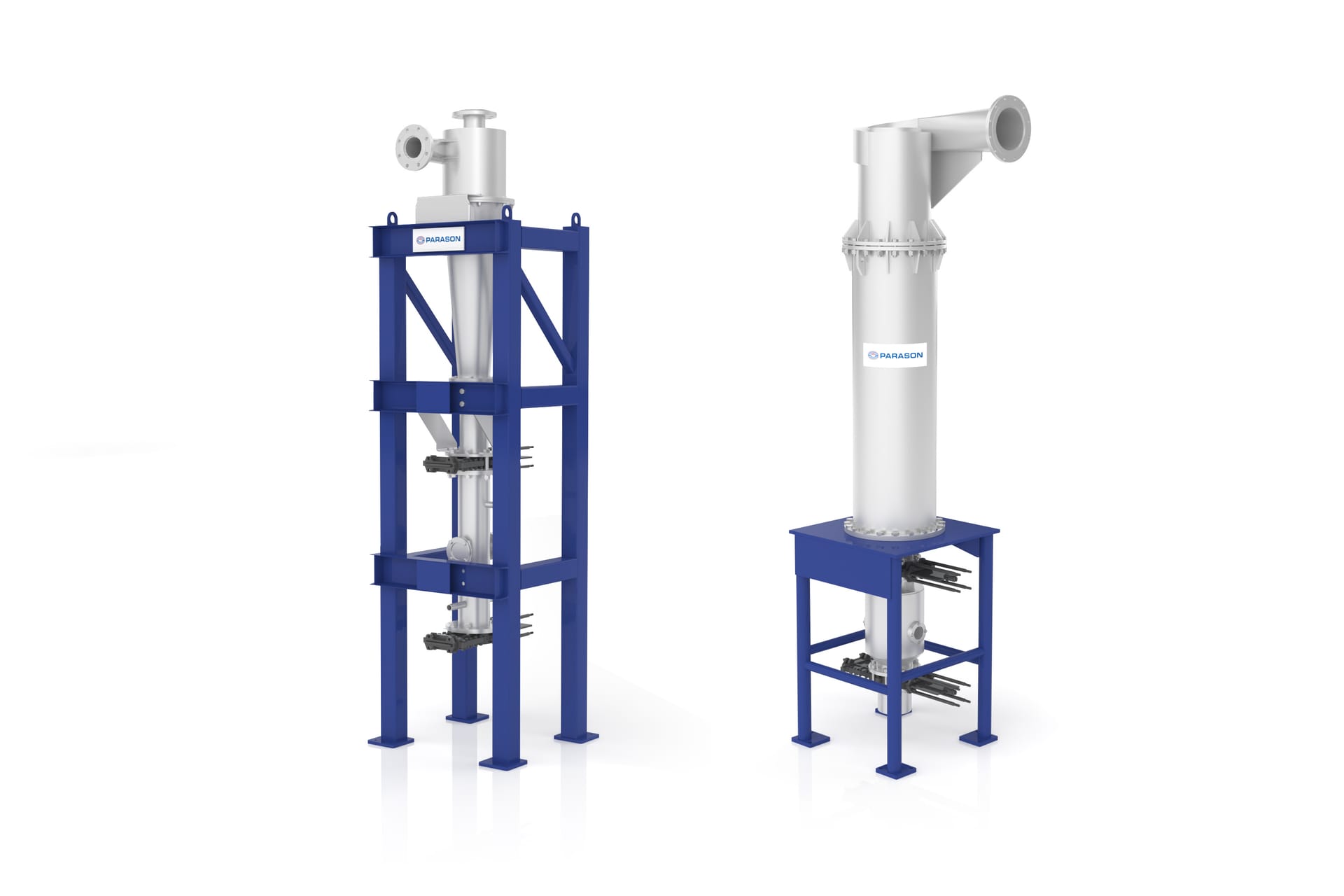
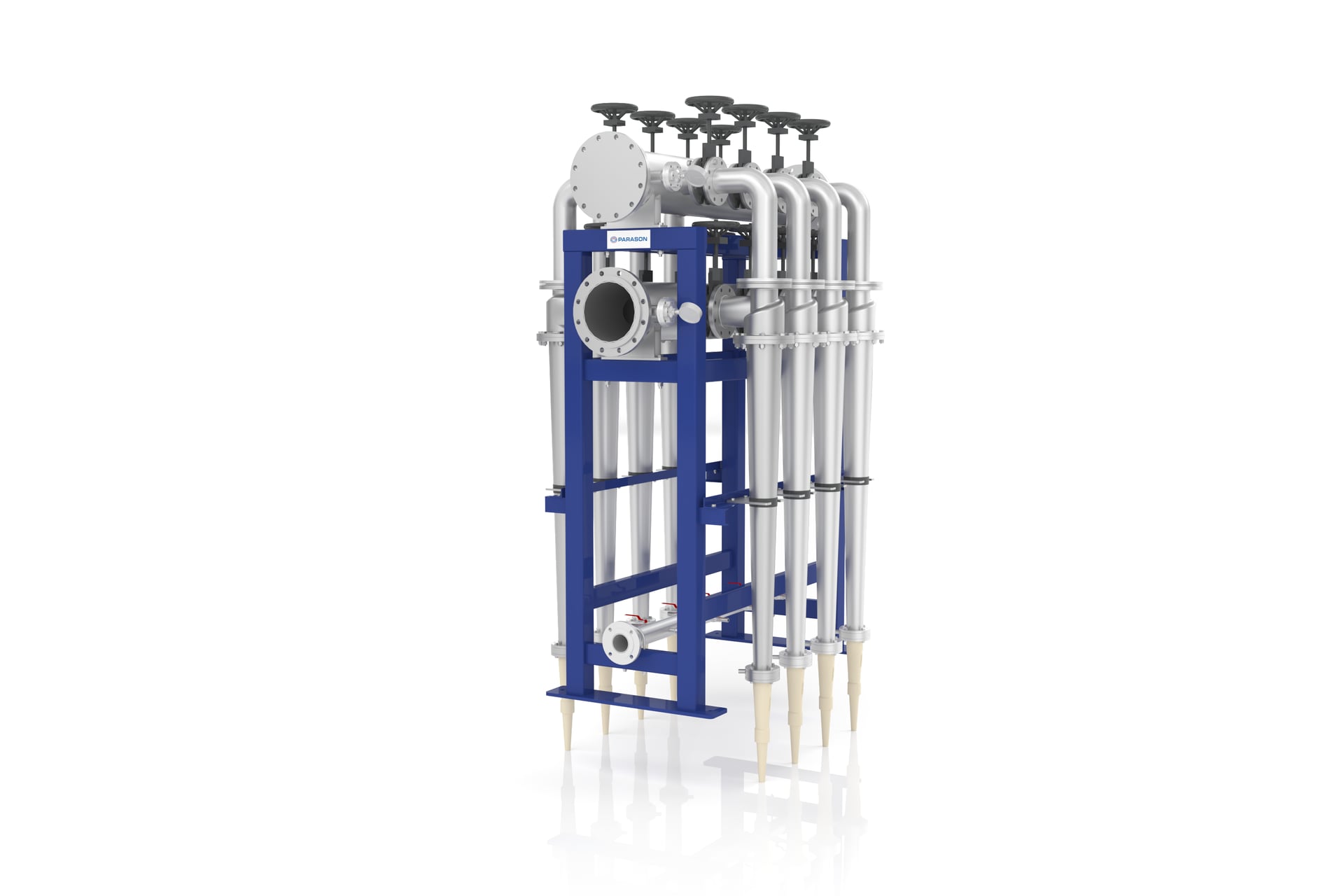
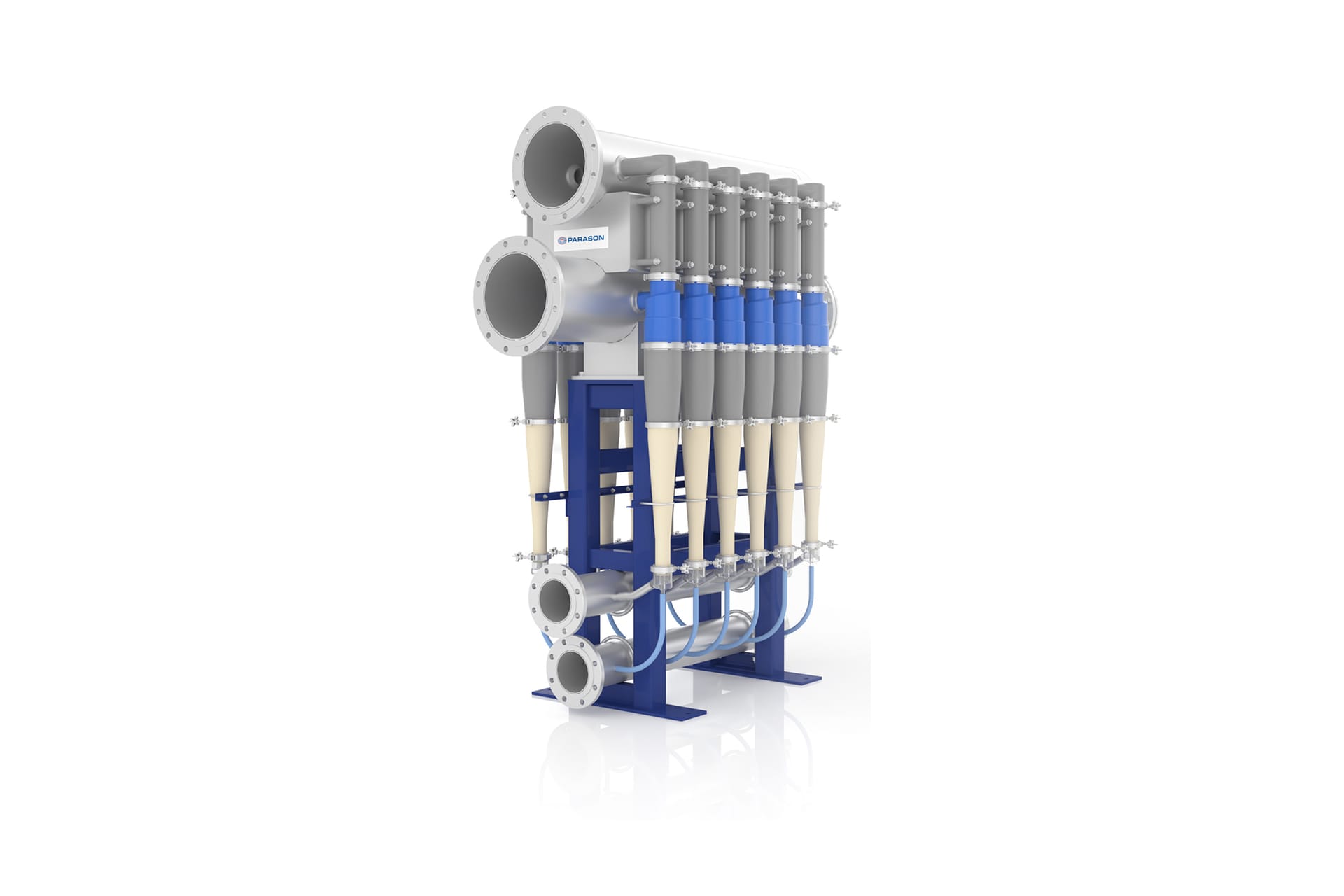
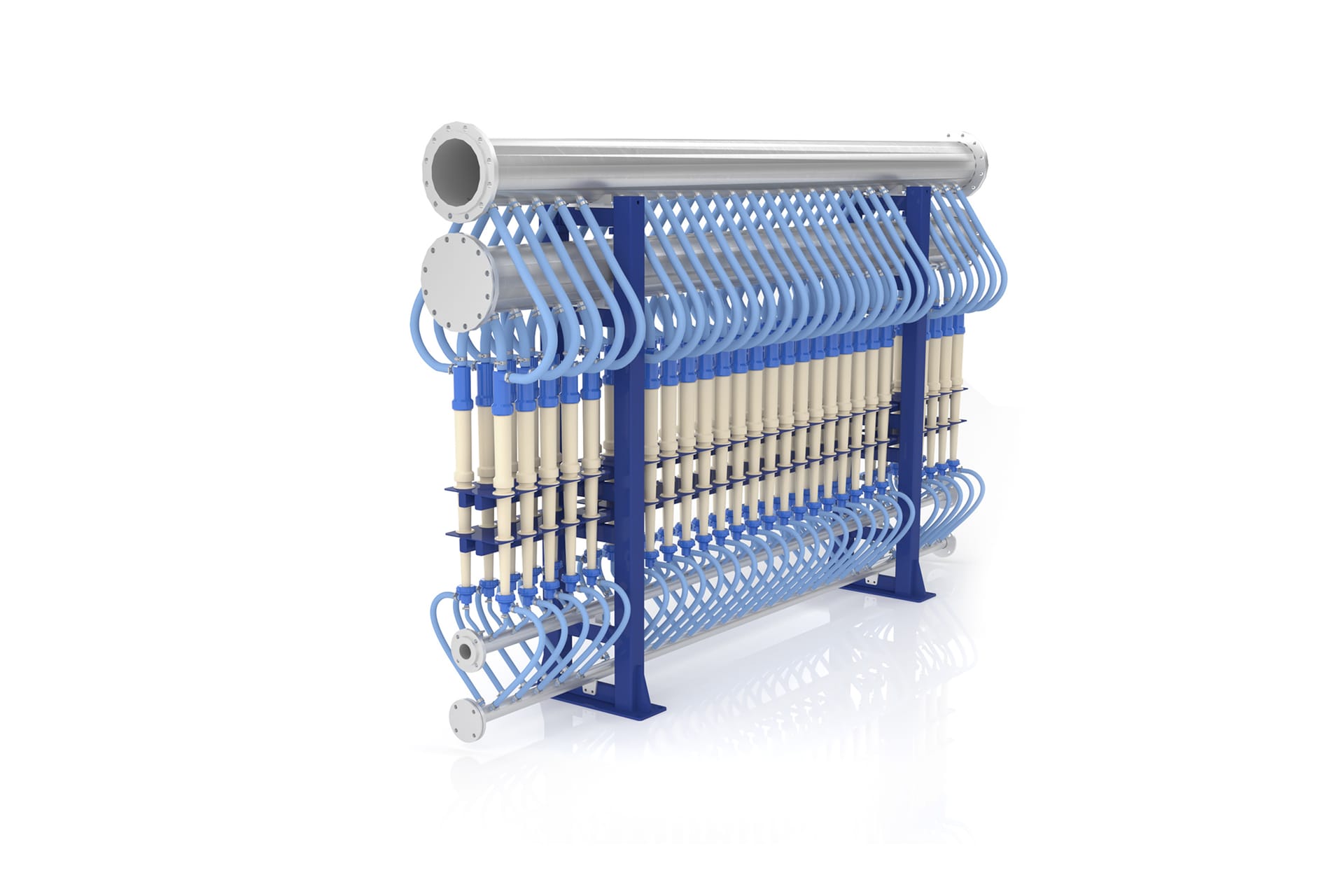
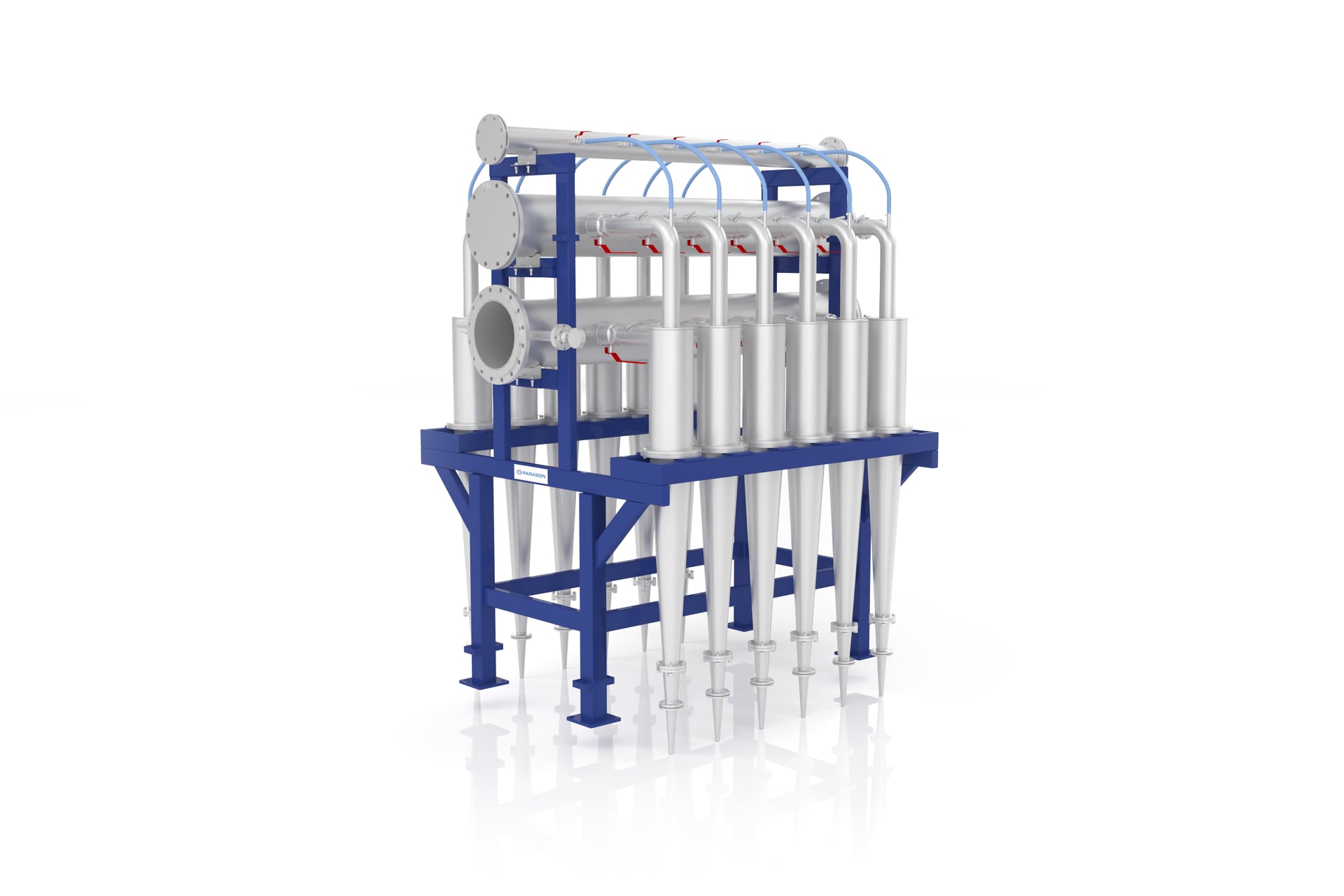
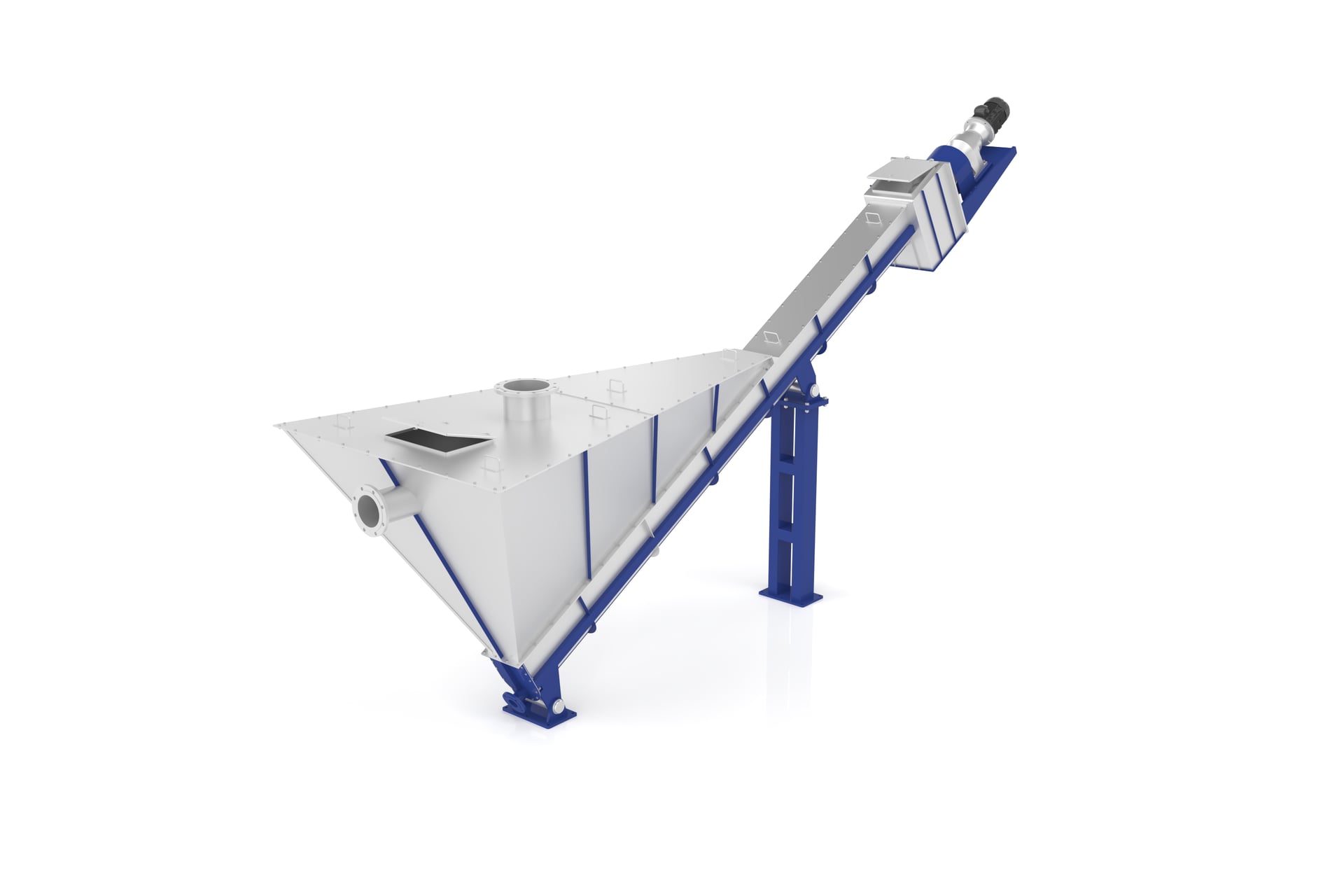
Centrifugal cleaners and sand separators for removing sand, glass, metal, and lightweight contaminants from pulp stock. Our multi-stage cleaning systems protect downstream equipment and ensure superior paper quality.
Explore Our Cleaning Solutions
HD cleaners, medium consistency centricleaners, LC cleaners, and sand separators — complete cleaning systems for every stage of stock preparation.
Why Choose Parason for Cleaning?
With over 50 years of engineering excellence, Parason delivers cleaning solutions trusted by 500+ paper mills across 75+ countries.
500+
Mills Served
Worldwide installations
75+
Countries
Global presence
50+
Years Experience
Engineering excellence
24/7
Support
Service & spare parts
Frequently Asked Questions About Cleaning Equipment
What is a centricleaner and how does it work?+
A centricleaner removes heavy contaminants from pulp using centrifugal force. Stock enters tangentially into a cone-shaped body, creating rotational flow. Heavy particles move to the outer wall and spiral down to the reject trap, while clean fiber rises through the central vortex and exits from the top.
What is the difference between high density and low consistency cleaners?+
HD Cleaners (HDCC/HDCS) operate at higher consistency and remove heavy contaminants like sand, glass, and metal in the first cleaning stage. LC Cleaners operate at lower consistency and remove lighter contaminants like wax and ink specks in subsequent stages.
What contaminants do pulp cleaners remove?+
HD Cleaners remove sand, dirt, metal fragments, staples, glass, and stones. LC Cleaners remove wax, stickies, plastic particles, ink specks, and lightweight contaminants. The Sand Separator (PSS) specifically targets fine sand particles.
Why is pulp cleaning important before the paper machine?+
Unclean stock causes paper defects (holes, spots, breaks), damages machine clothing, wears press rolls and doctor blades, and creates runnability issues. A well-designed cleaning system reduces paper breaks, improves sheet quality, and extends downstream equipment life.
How does a multi-stage cleaning system work?+
In a cascade cleaning system, the first stage handles the full stock flow. Rejects from the first stage are diluted and cleaned in a second stage. This continues through multiple stages — each recovering good fiber from the previous stage's rejects. The final stage's rejects are sent to waste.