Stock Preparation/Pulping
Complete Pulping Solutions
From bale breaking to high-consistency pulping — our complete range of pulpers handles virgin fiber, recycled waste paper, Tetra Pak, and wet-strength grades. Trusted by 500+ mills for maximum fiber yield and lowest energy consumption per ton.
Explore Our Pulping Solutions
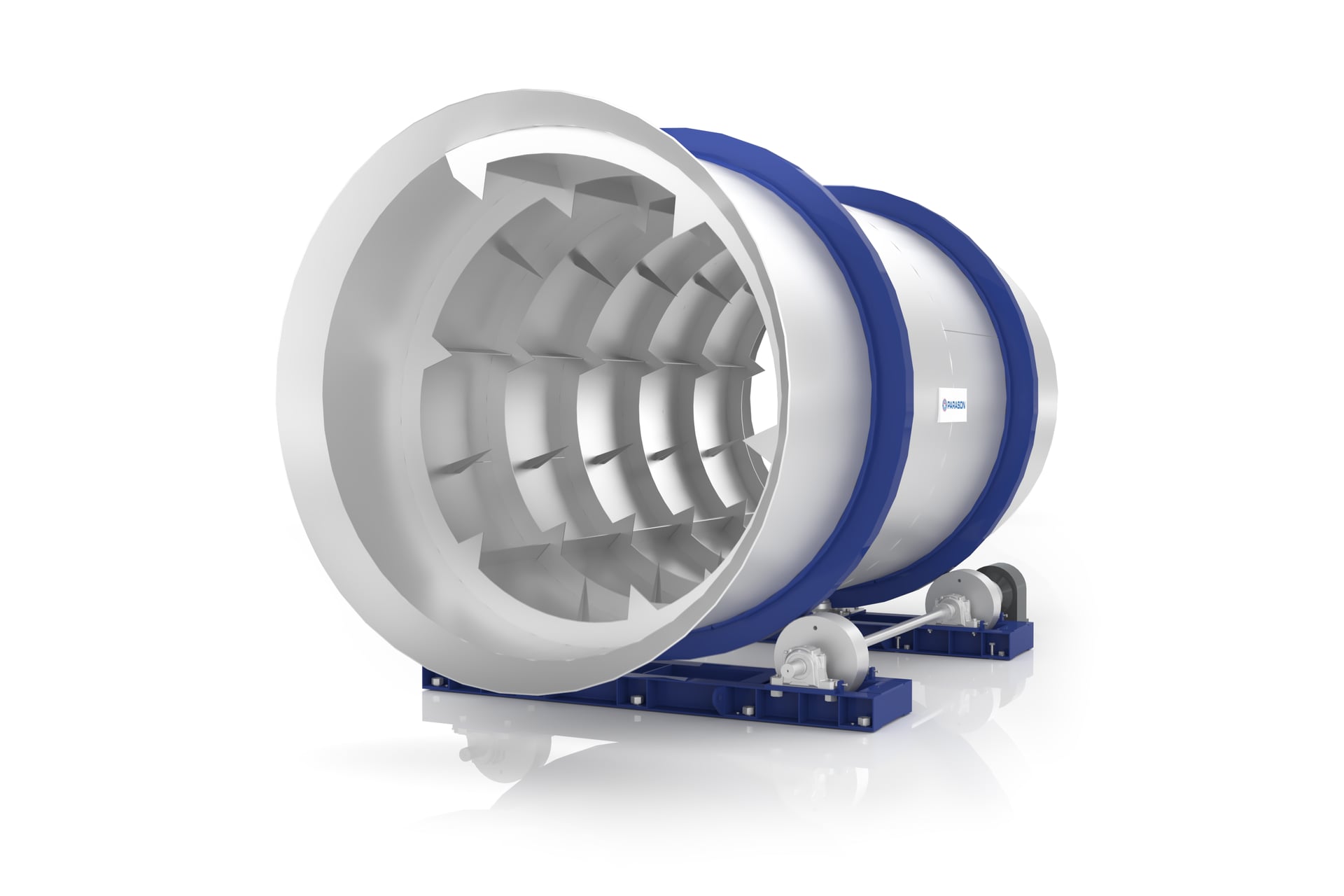
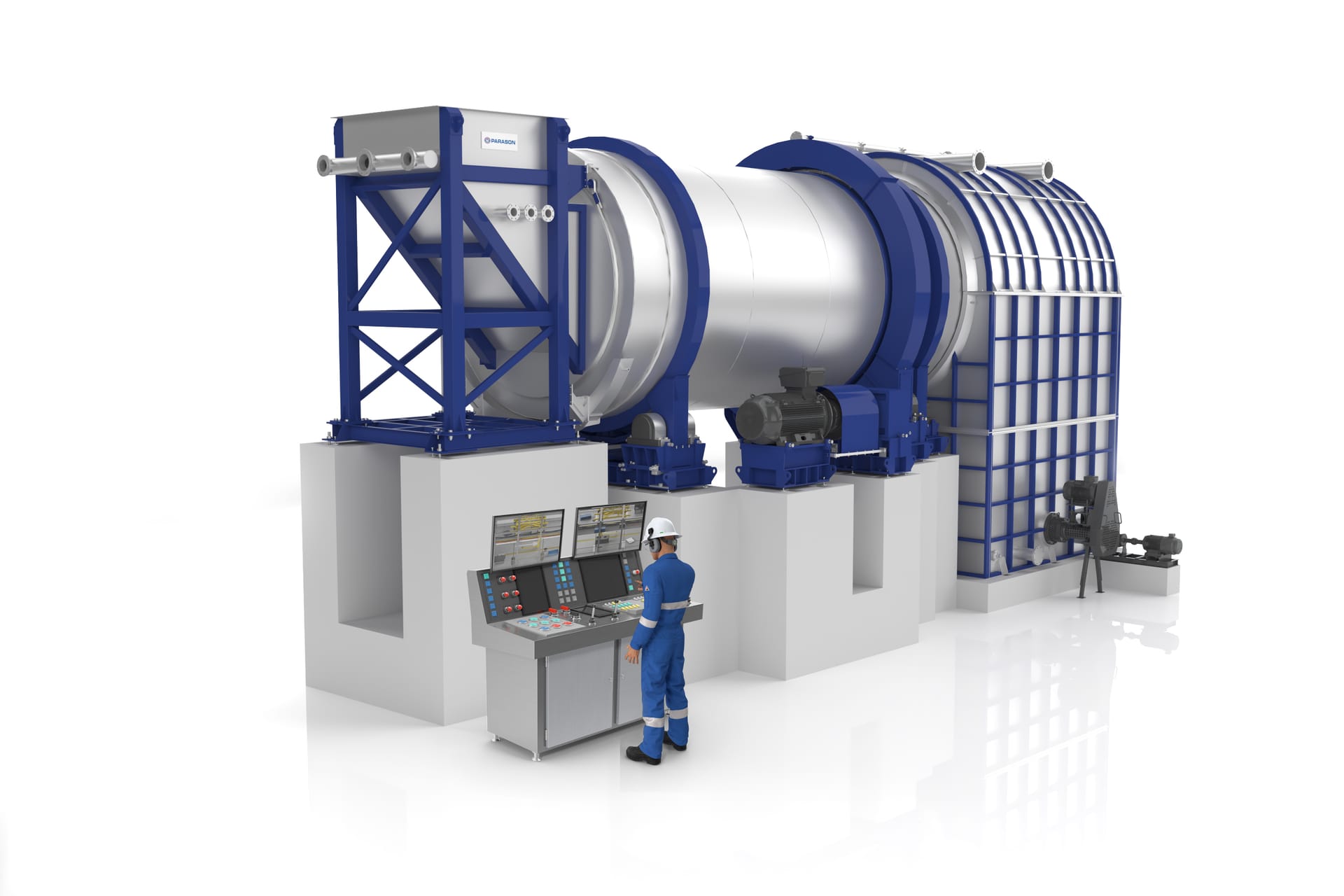
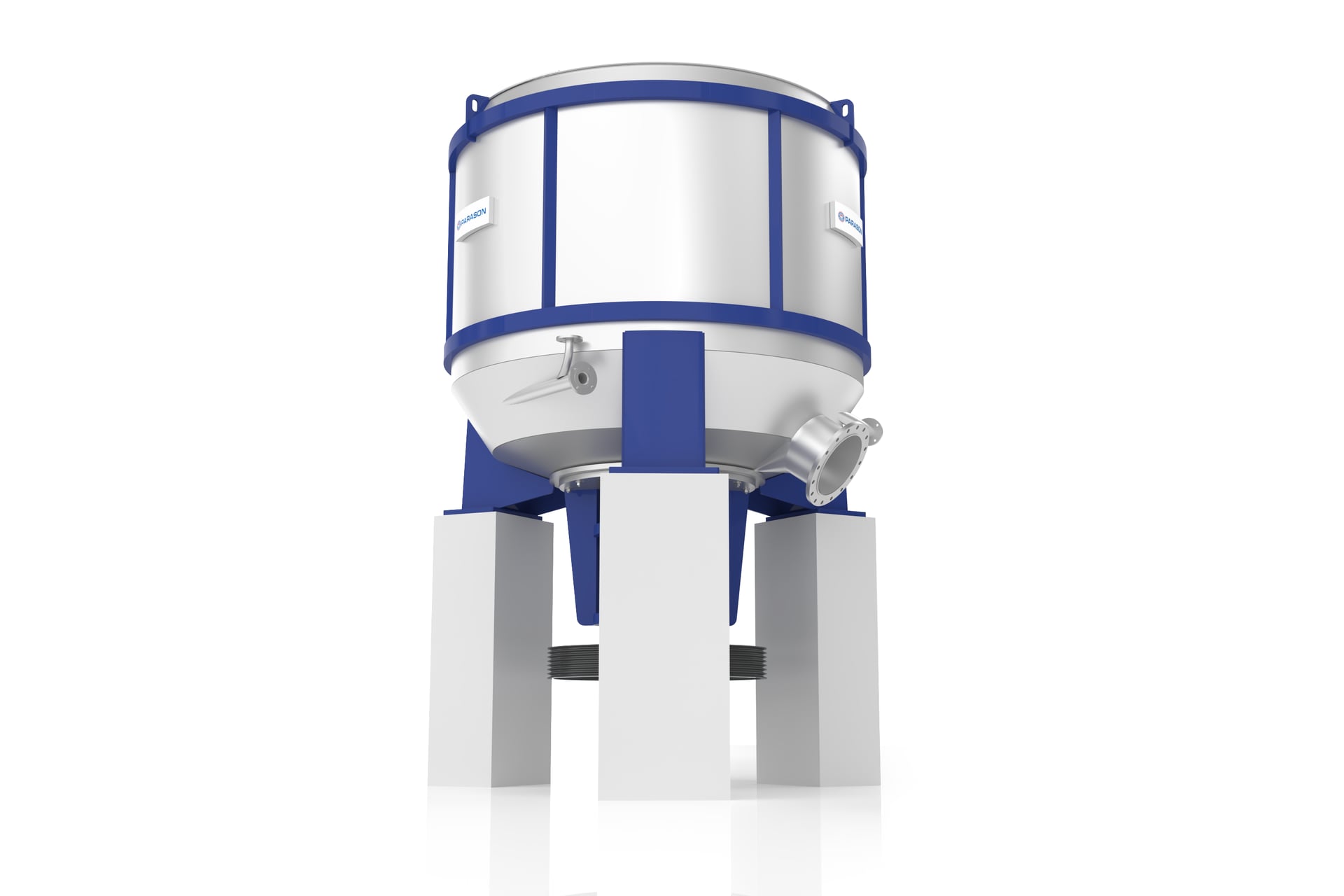
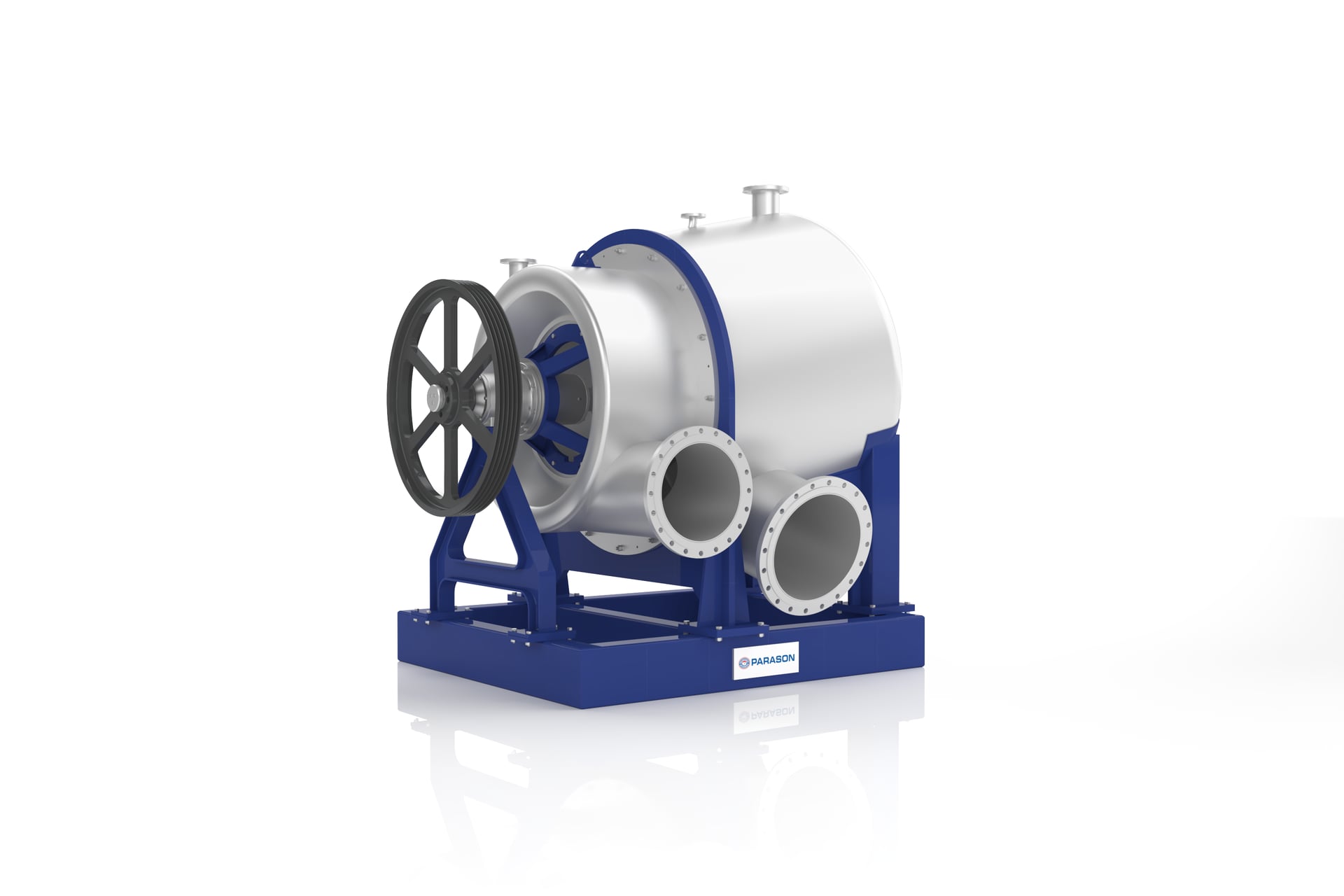
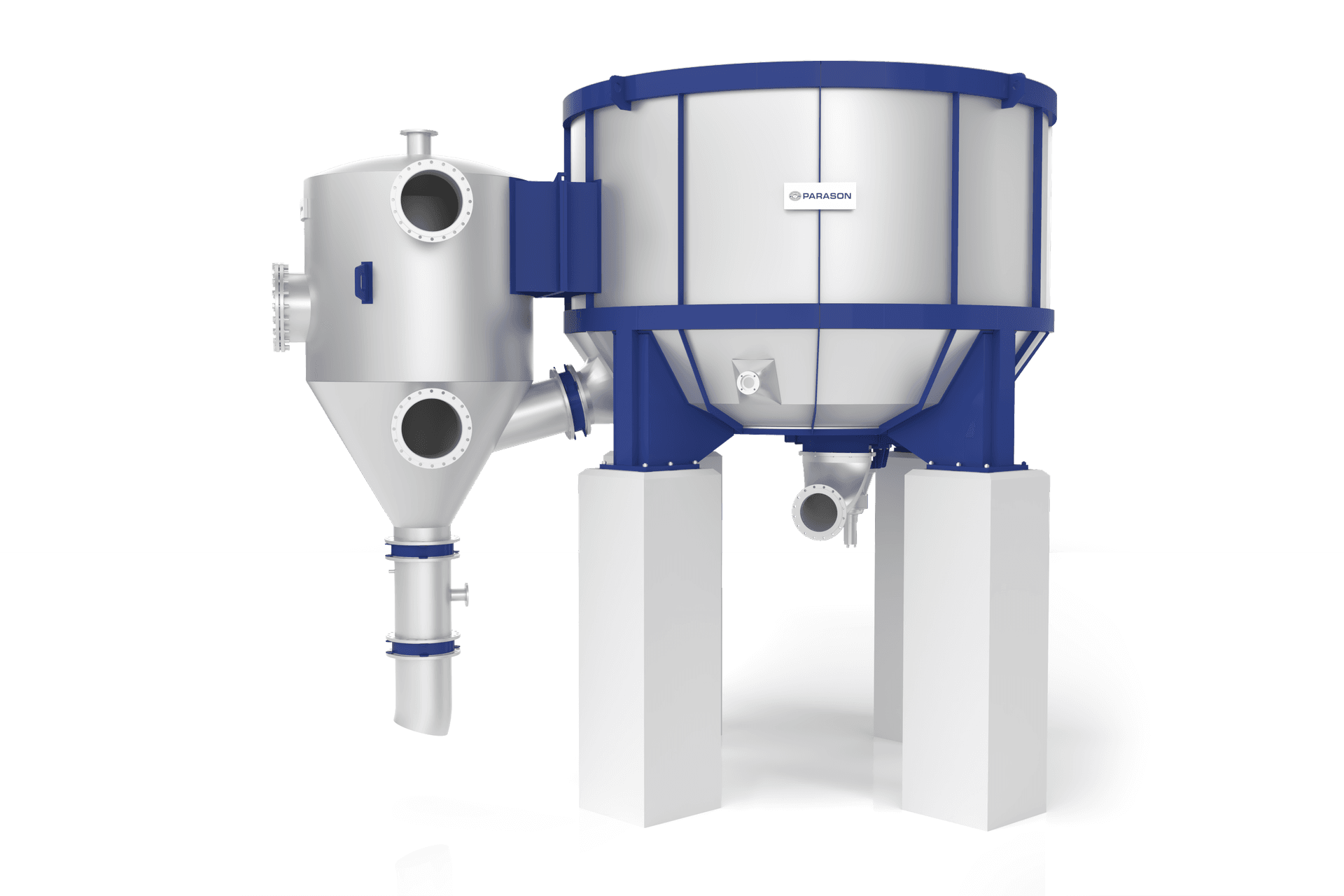
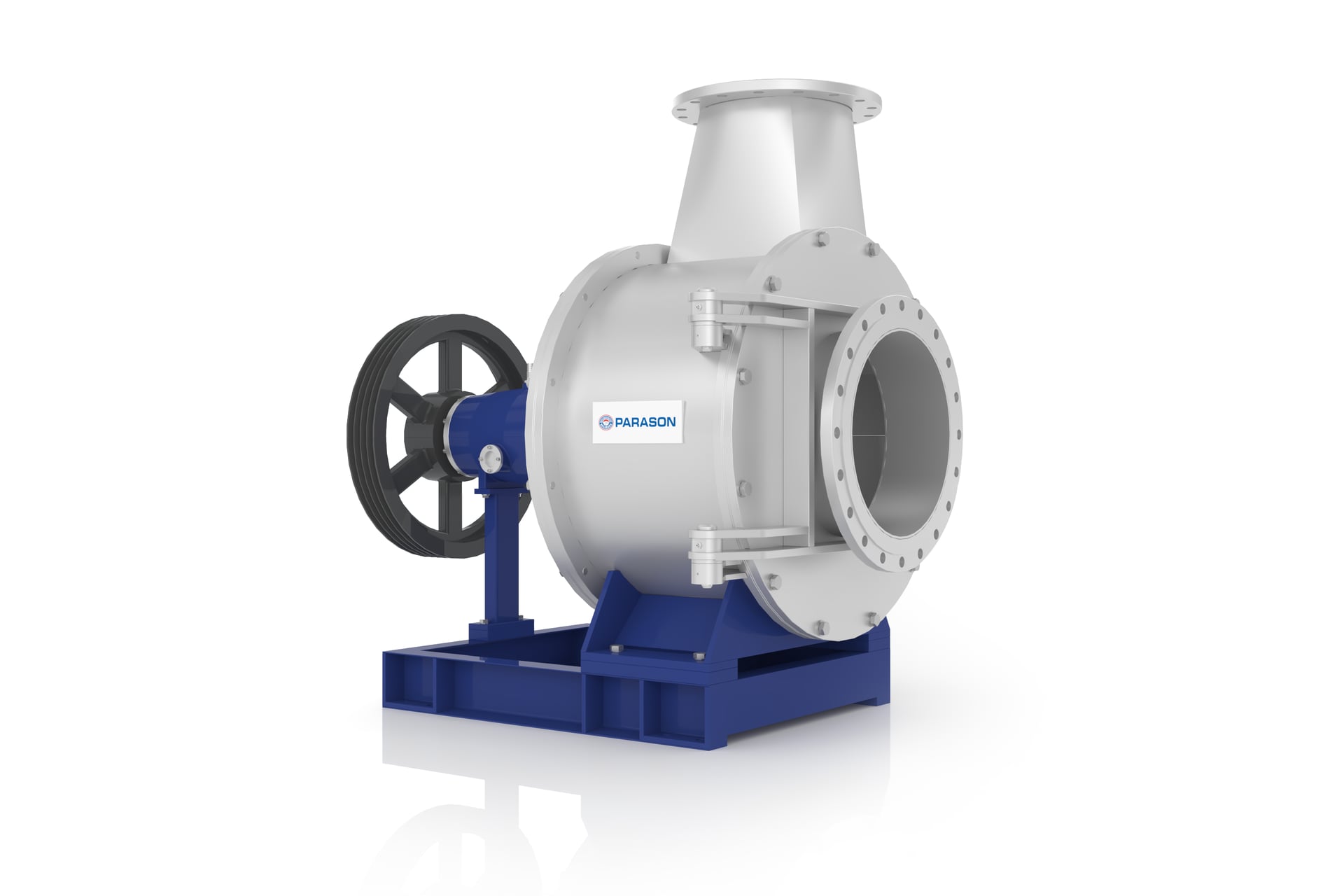
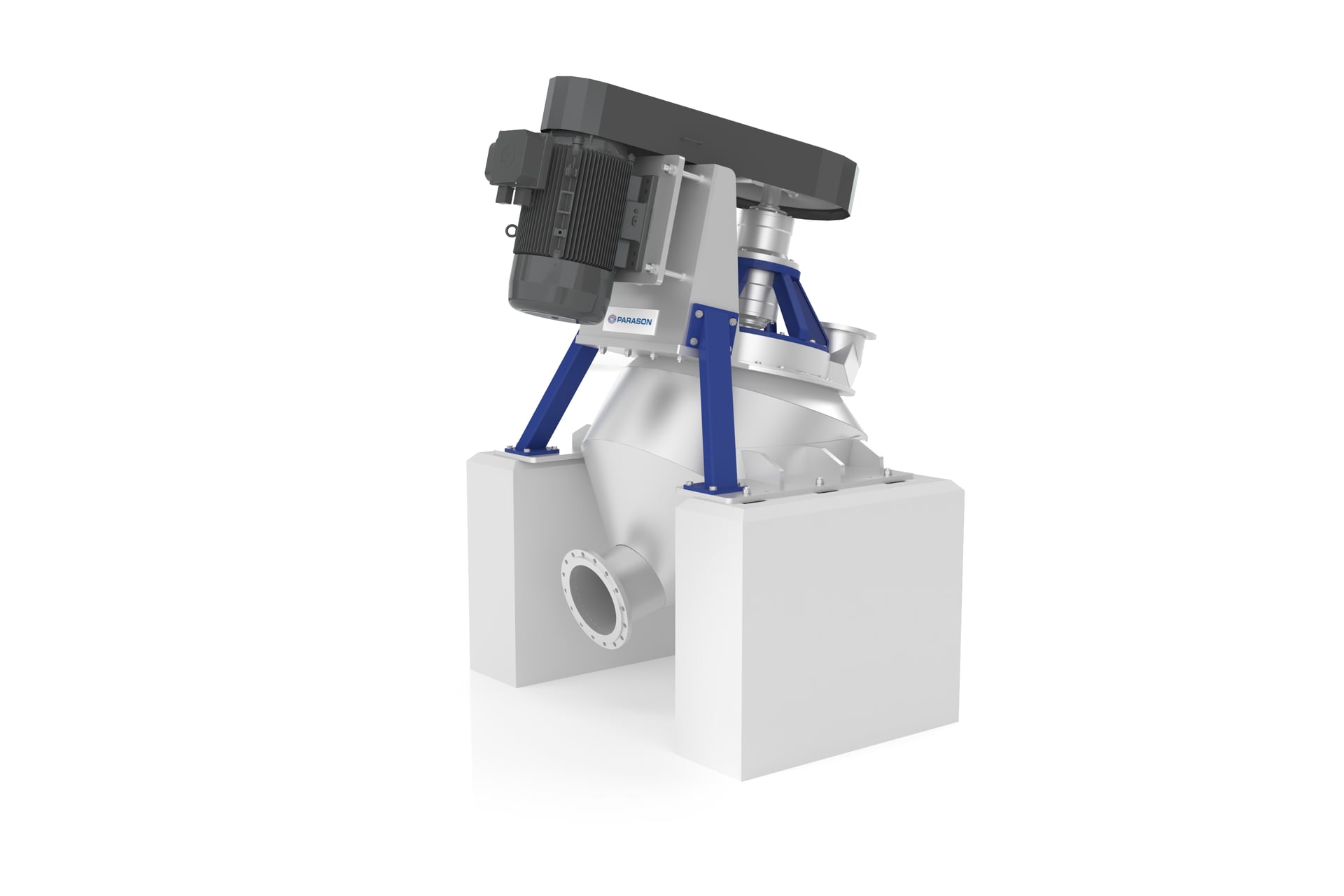
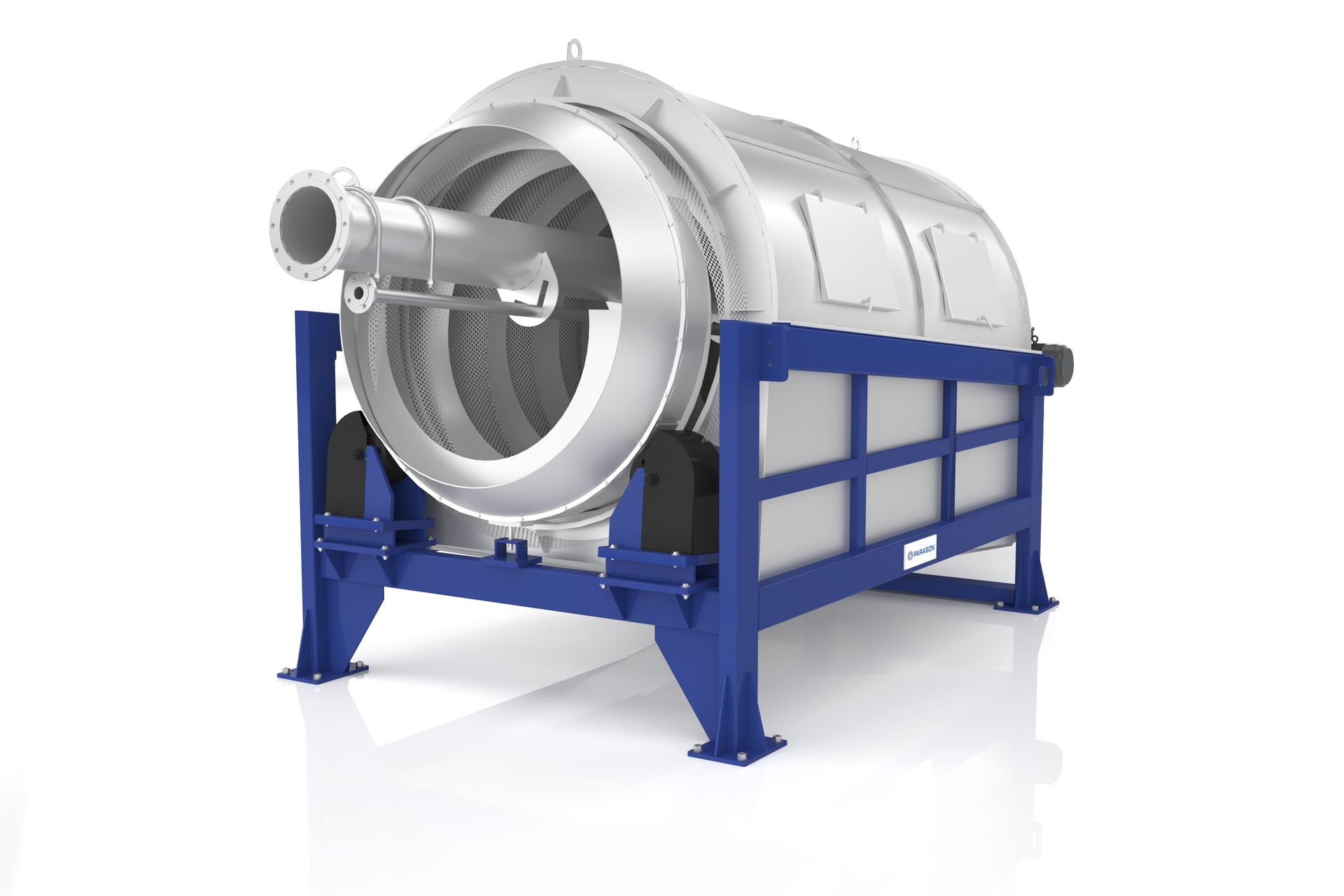
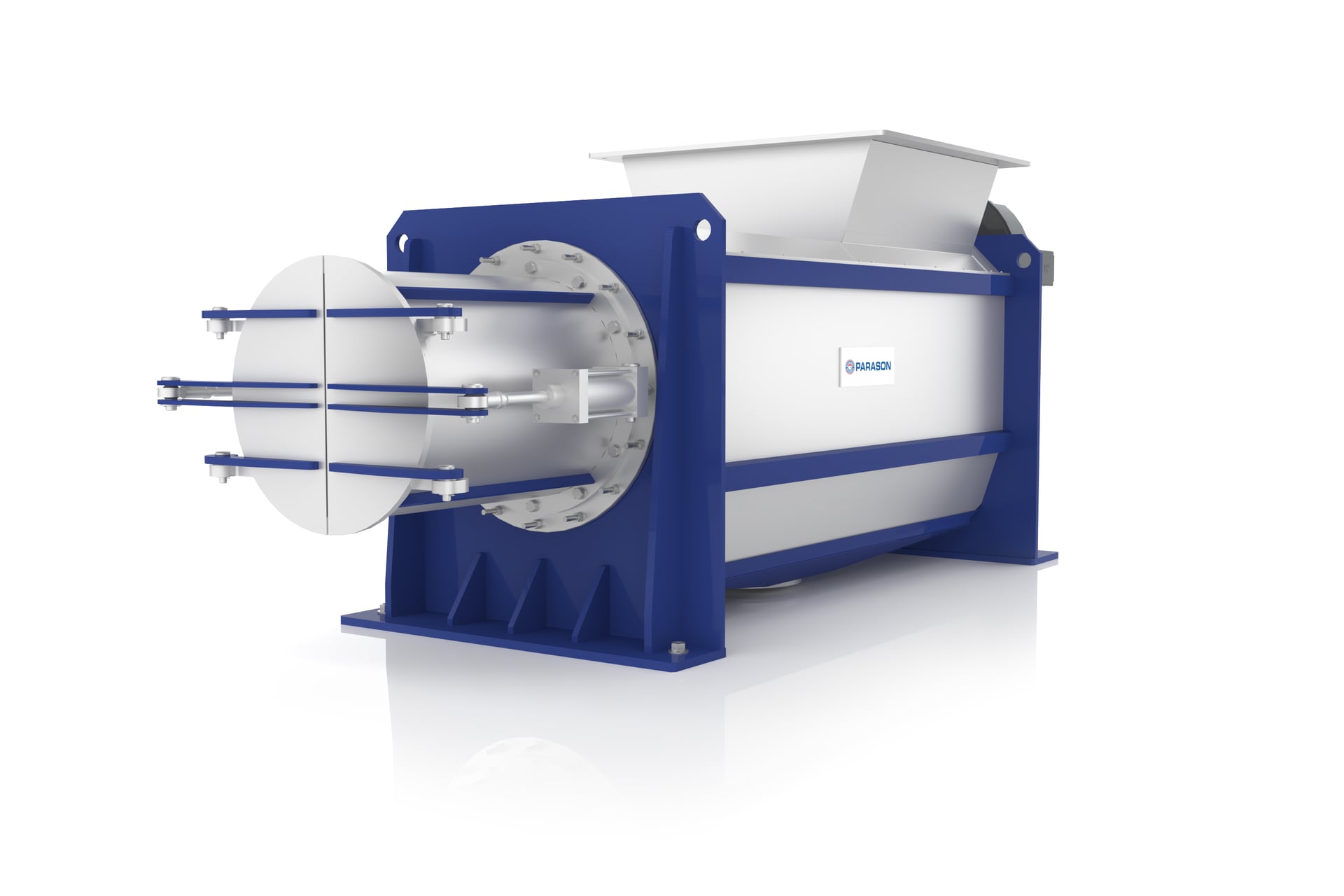
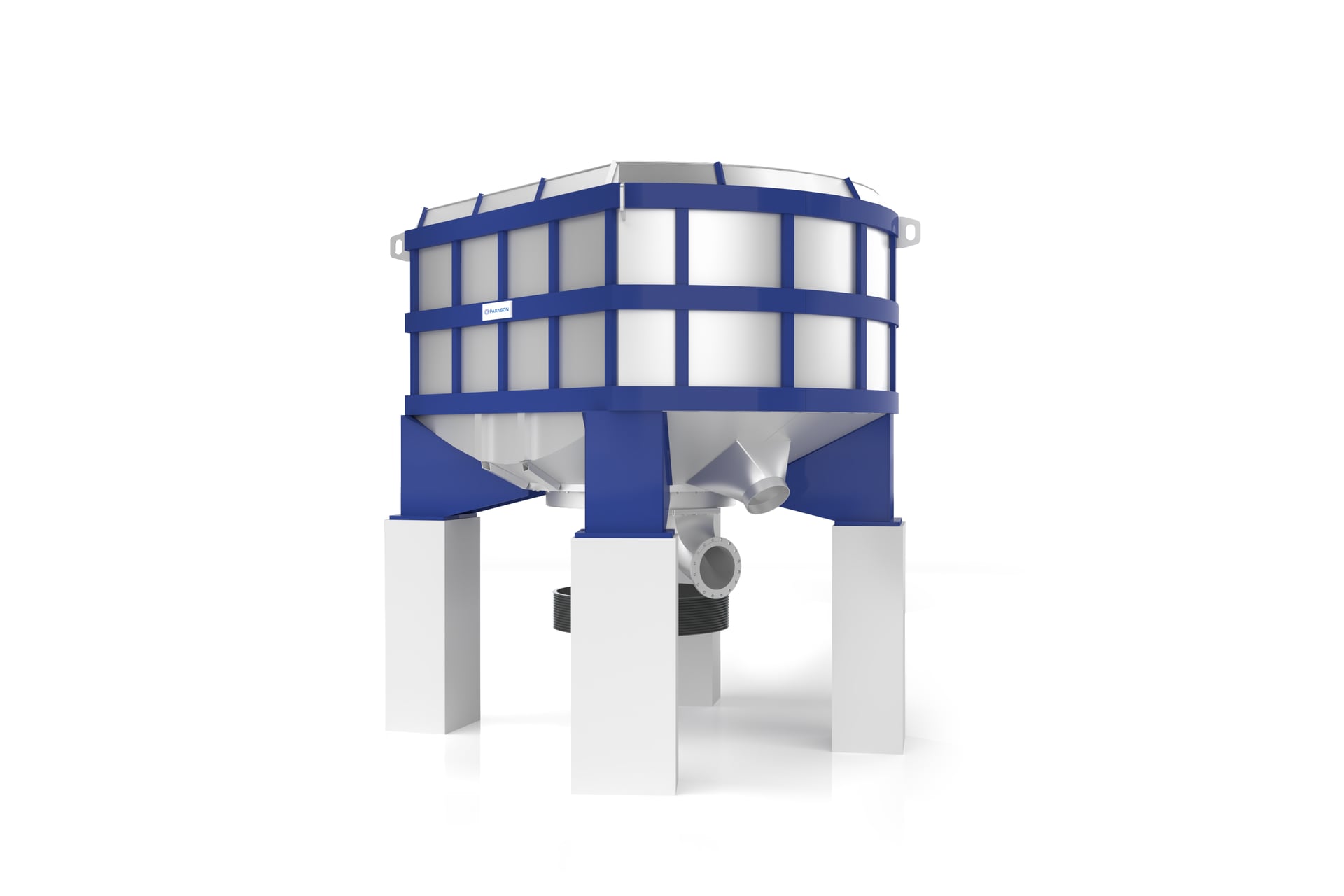
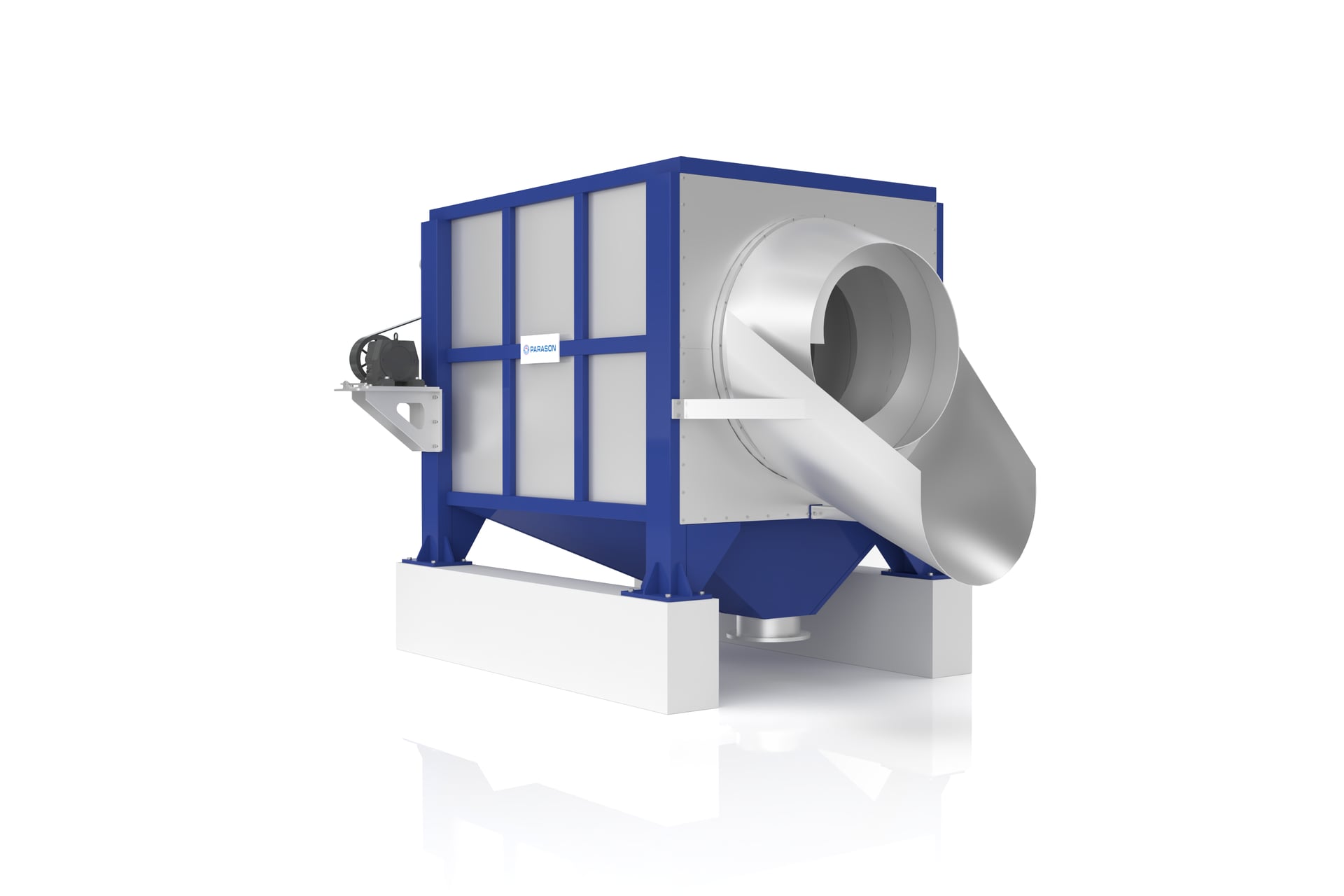
High-consistency batch pulpers, continuous drum pulpers, LC offset pulpers, and complete ancillary systems — every component of the pulping line, engineered in-house.
Why Choose Parason for Pulping?
With over 50 years of engineering excellence, Parason delivers pulping solutions trusted by 500+ paper mills across 75+ countries.
500+
Mills Served
Worldwide installations
75+
Countries
Global presence
50+
Years Experience
Engineering excellence
24/7
Support
Service & spare parts
Frequently Asked Questions About Pulping Equipment
What is a pulper machine used for in a paper mill?+
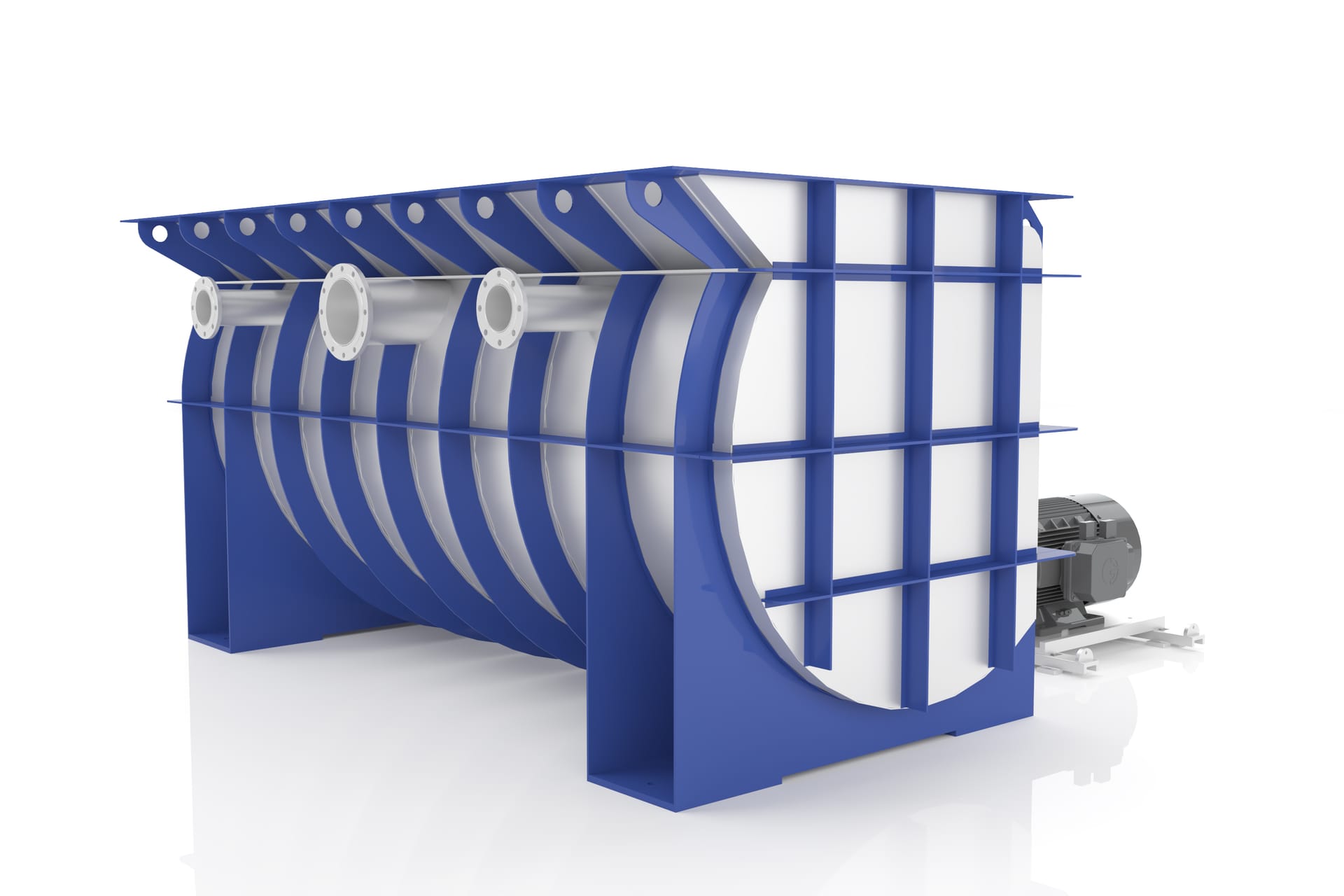
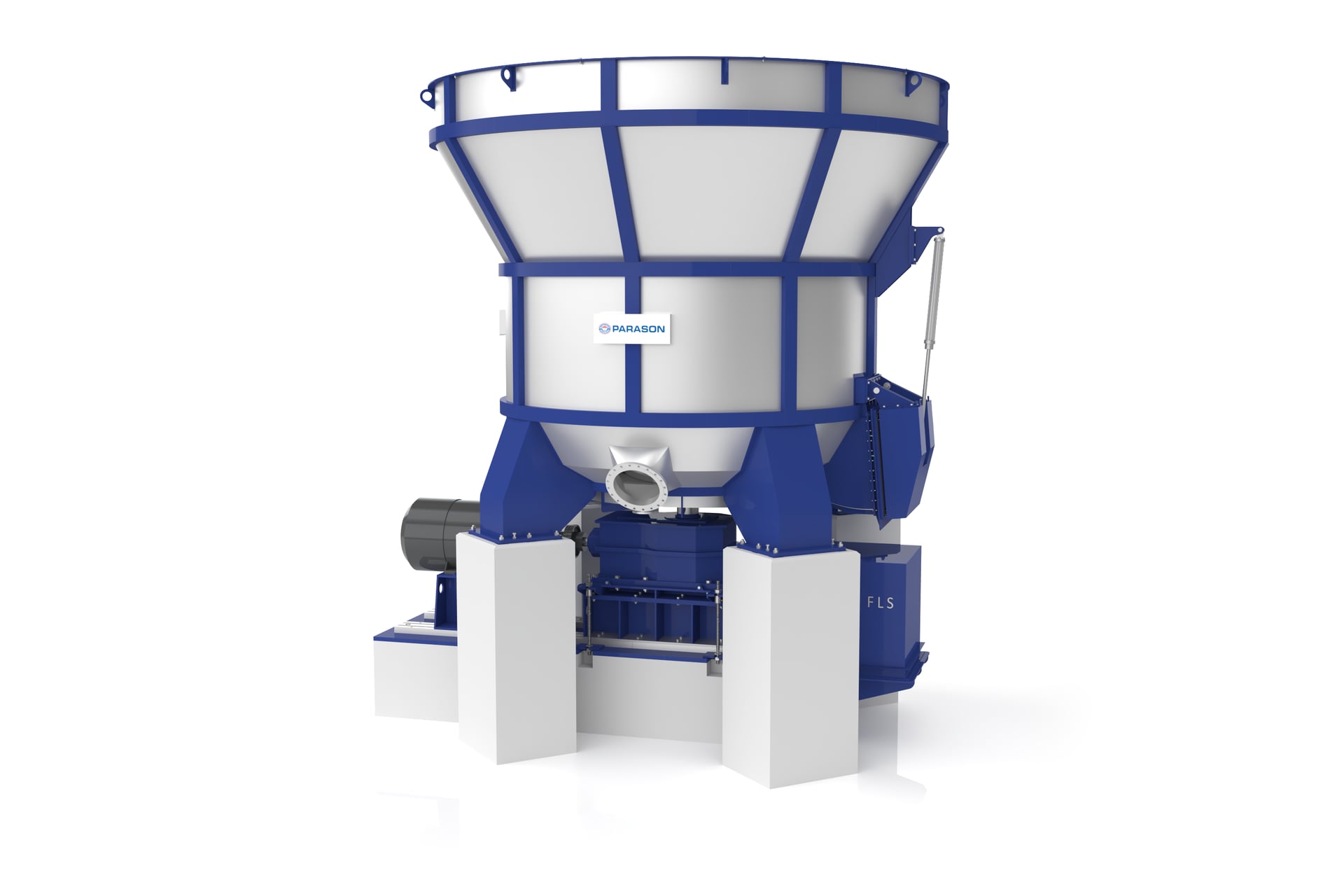
A pulper is the first machine in any paper mill's stock preparation line. It breaks down raw materials — waste paper, virgin pulp bales, or agricultural fibers like bagasse — into a pumpable fiber slurry. Parason manufactures 19 pulping machines including batch pulpers, continuous drum pulpers, and high consistency pulpers. The prepared stock then flows through refining and screening to the complete paper machine.
What are the different types of pulpers used in paper mills?+
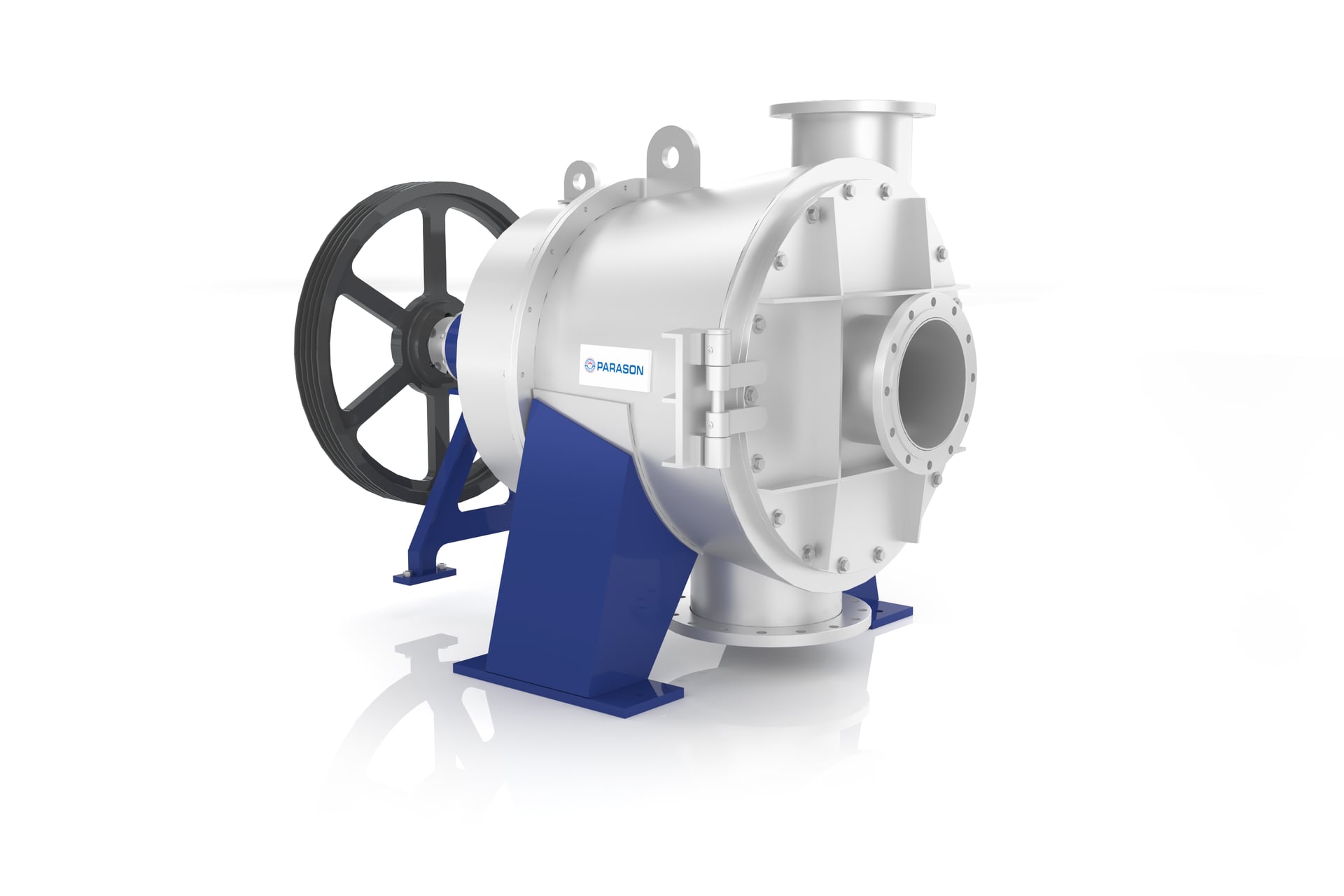
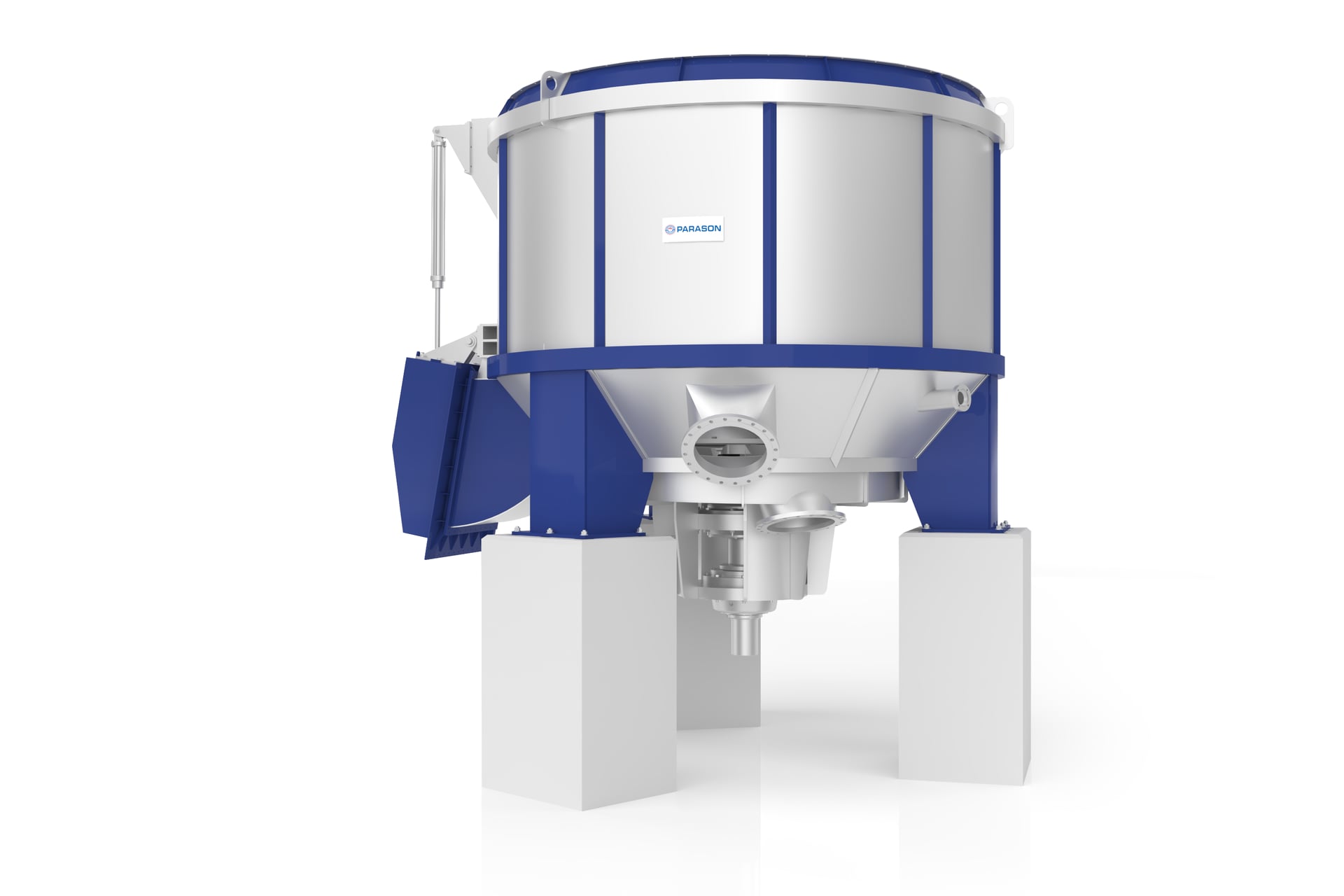
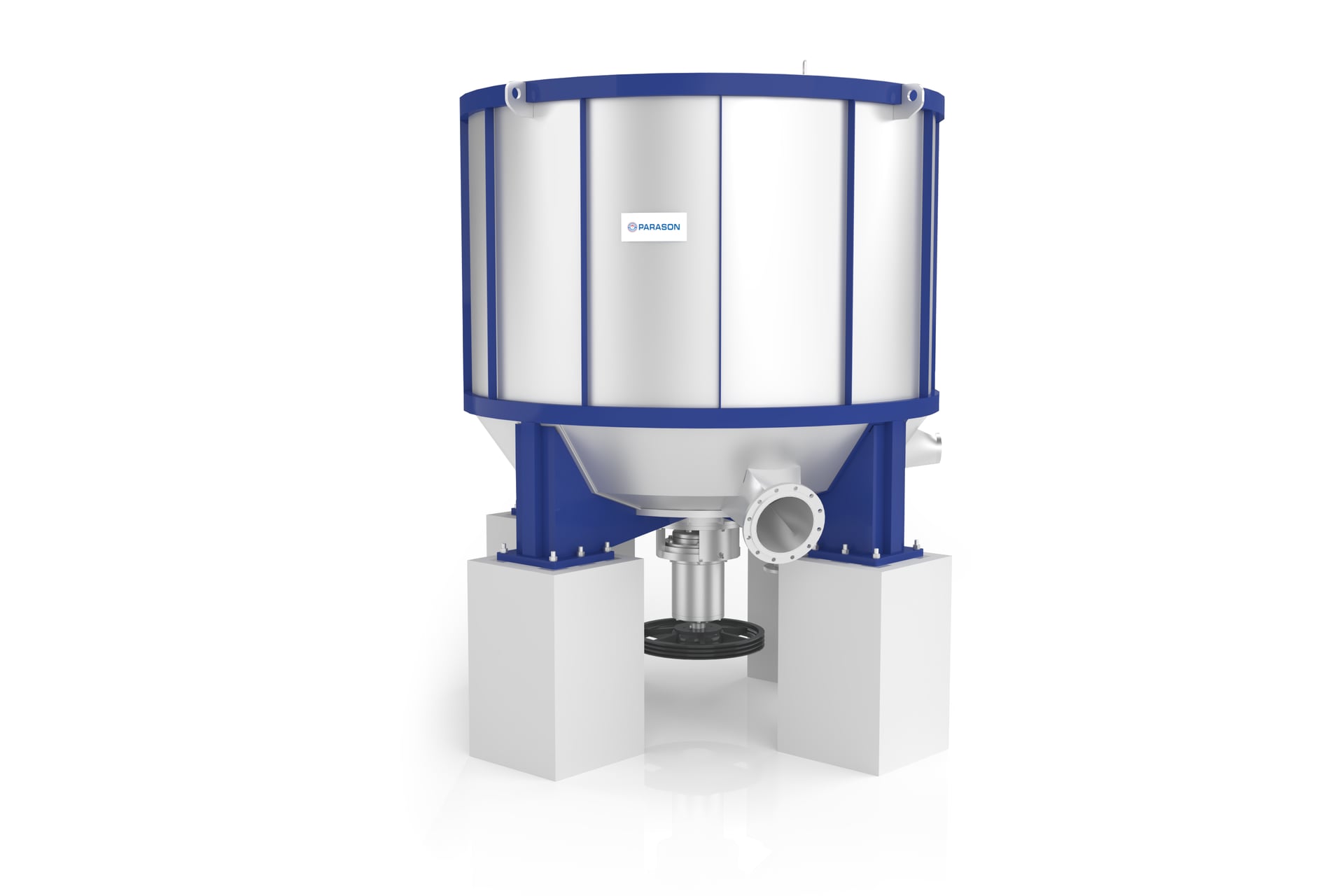
The main types are: Hicon Pulper (HM) for high consistency pulping, Sharp Edge Drum Pulper (PDP) for continuous waste paper processing with gentle fiber treatment, D-Type Pulper for low consistency continuous pulping, and specialty pulpers like CSTP for cup stock and Tetra Pak recycling. The right choice depends on your raw material, capacity, and paper grade.
What is the difference between a drum pulper and a D-type pulper?+
A drum pulper operates continuously — raw material feeds in one end and pulped stock exits the other, making it ideal for large-capacity waste paper lines. A D-type pulper is a continuous low-consistency pulper (4-6%) that feeds and extracts stock at a steady rate through an extraction plate. Drum pulpers suit gentle high-volume OCC defibering while D-type pulpers handle mixed furnish across a wide capacity range.
What raw materials can be processed in paper pulpers?+
Paper pulpers can process waste paper (OCC, mixed waste, office waste), virgin wood pulp bales, agricultural residues (bagasse, wheat straw, bamboo), wet strength papers, cup stock, Tetra Pak cartons, and textile waste. Each raw material requires a specific pulper type and configuration for optimal fiber recovery. See our agro & wood pulping range for agricultural fiber processing.
How to select the right pulper for a paper mill?+
Selection depends on four factors: raw material type (virgin vs recycled vs agro), production capacity (TPD), target consistency (HC, MC, or LC), and contaminant level of your raw material. For waste paper with high contaminants, a drum pulper with detrashing is ideal. For virgin pulp, an LC Virgin Pulper is sufficient. Contact Parason for selection guidance based on your specific project.
What is the difference between high consistency and low consistency pulping?+
High consistency (HC) pulping operates at higher fiber concentration — the pulper uses less water, producing a thicker slurry. The Hicon Pulper (HM) operates in this range. Low consistency (LC) pulping uses more water for a thinner slurry, as in the D-Type Pulper and LC Virgin Pulper (LCV). HC pulping saves energy on downstream dewatering, while LC pulping provides gentler fiber treatment suited for virgin pulp.
What detrashing equipment is used with pulpers?+
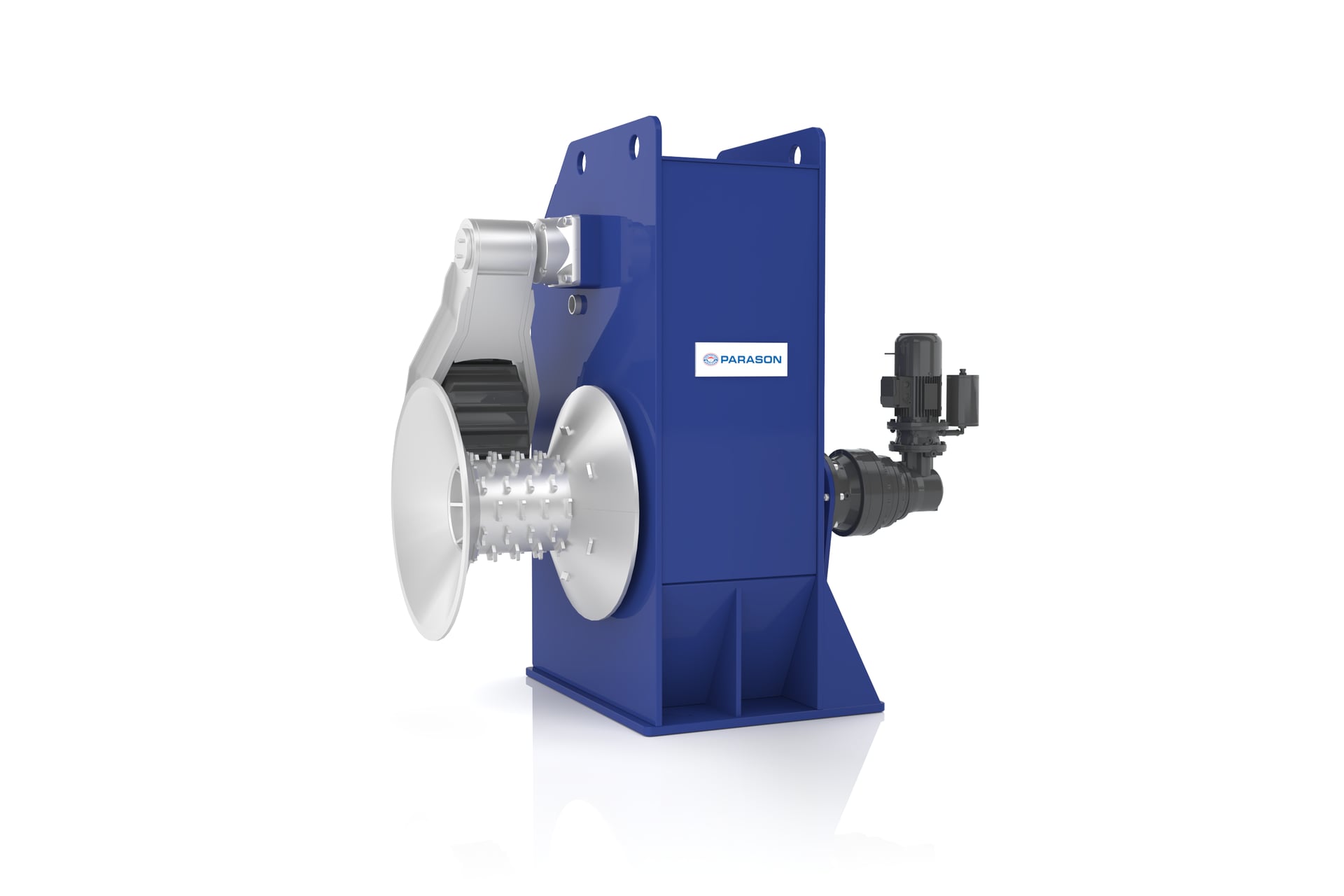
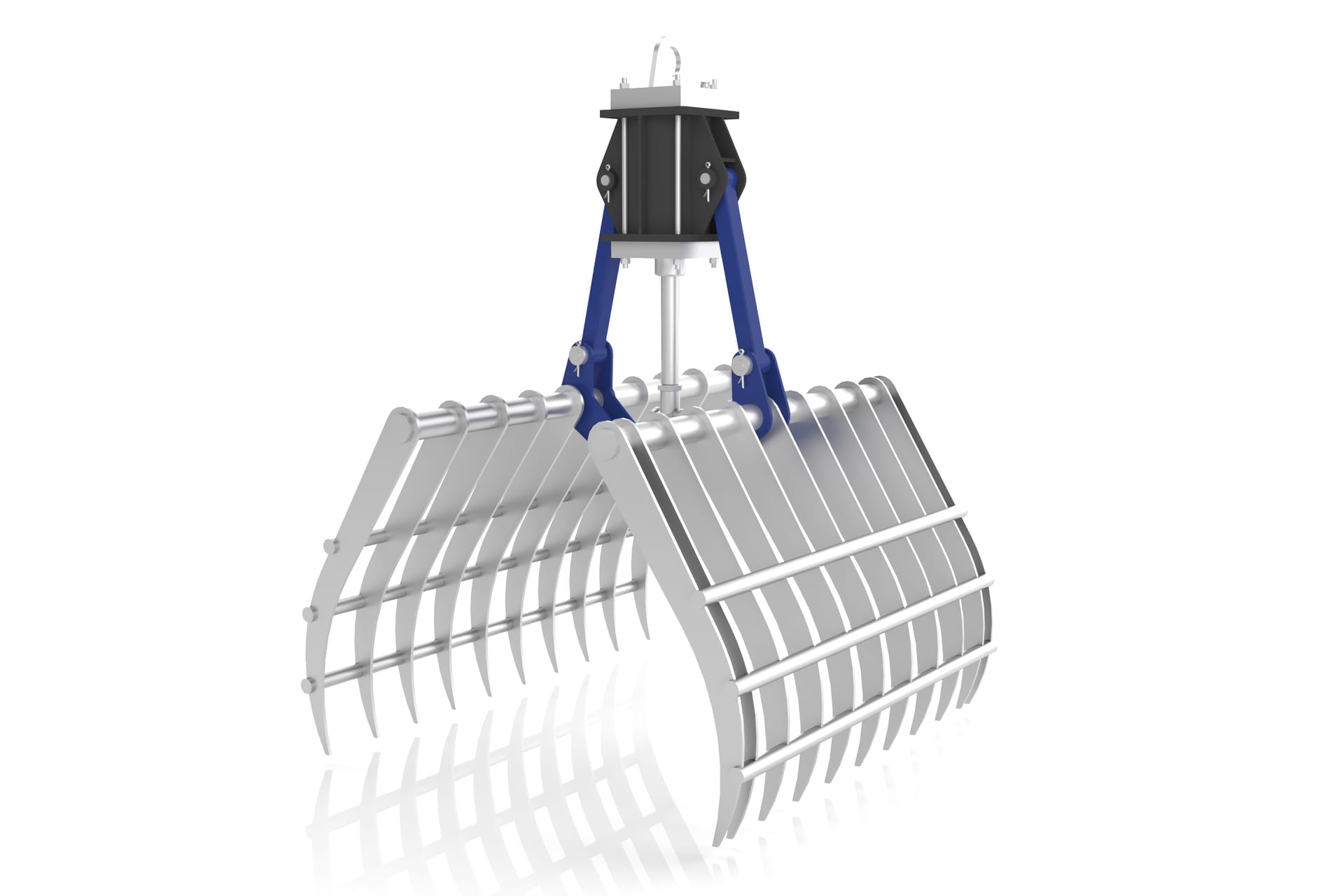
After pulping, contaminants like plastics, rags, and wire are removed by detrashing equipment. Parason's pulping line includes Ragger for removing rope-like contaminants, Rope Cutter for cutting ragger ropes, Grapple for extracting heavy rejects, Trommel Screen for screening coarse rejects, Fiber Guard for protecting downstream equipment, and Reject Compacter for compacting and dewatering rejects.