
Your JC Conflo Refiner Is Wasting Energy — Save 15-25% with Parason ERP™ Fillings
Refining consumes 30-40% of your stock preparation energy. Worn fillings and suboptimal patterns silently drain your electrical budget. Parason's ERP™ technology maintains sharp edges longer, and our application-specific patterns reduce kWh/ton — delivering measurable energy savings from day one.
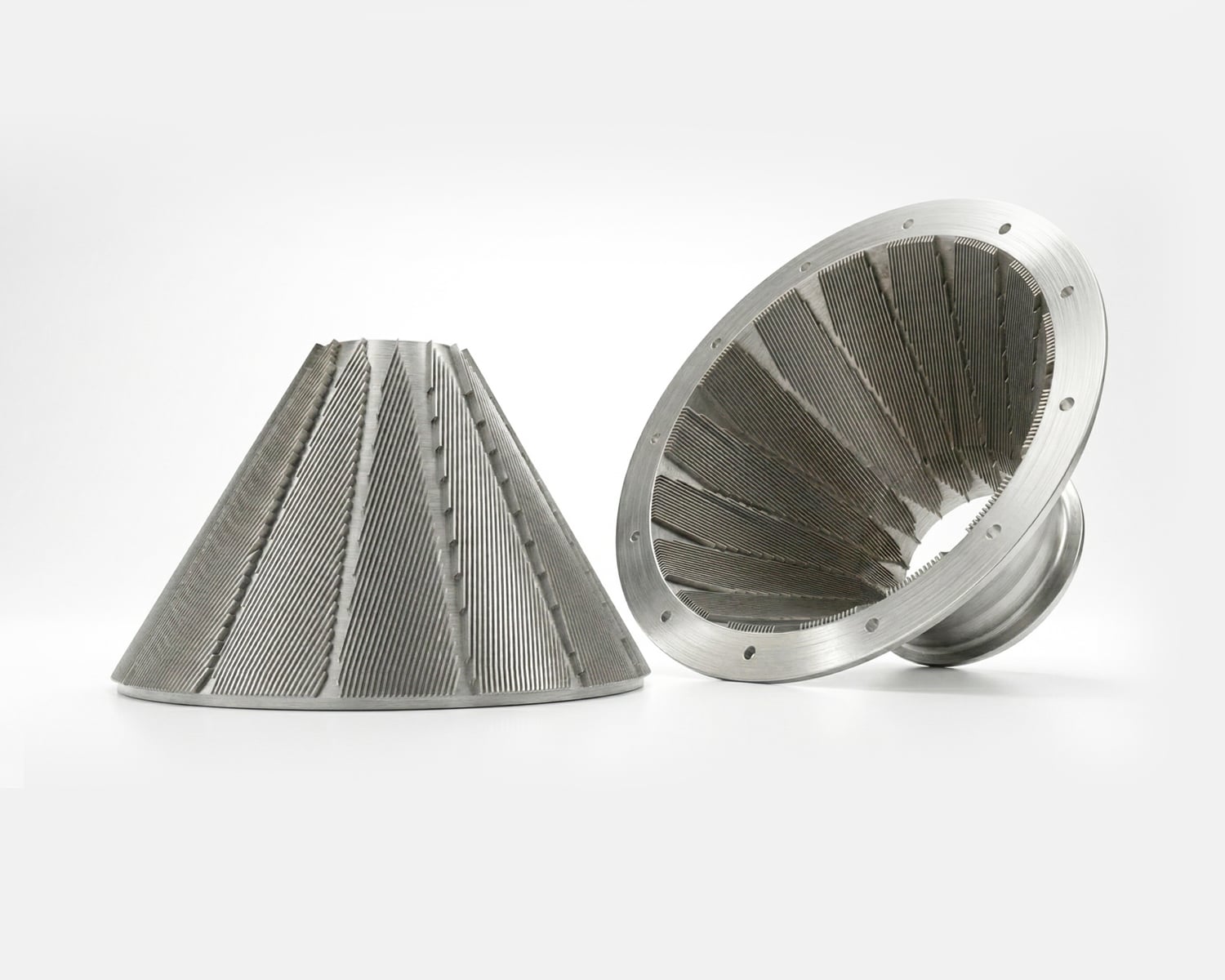
From Foundry to Ready-to-Install Fillings
Every Parason JC Conflo filling goes through a rigorous manufacturing and quality process to ensure OEM-compatible performance.
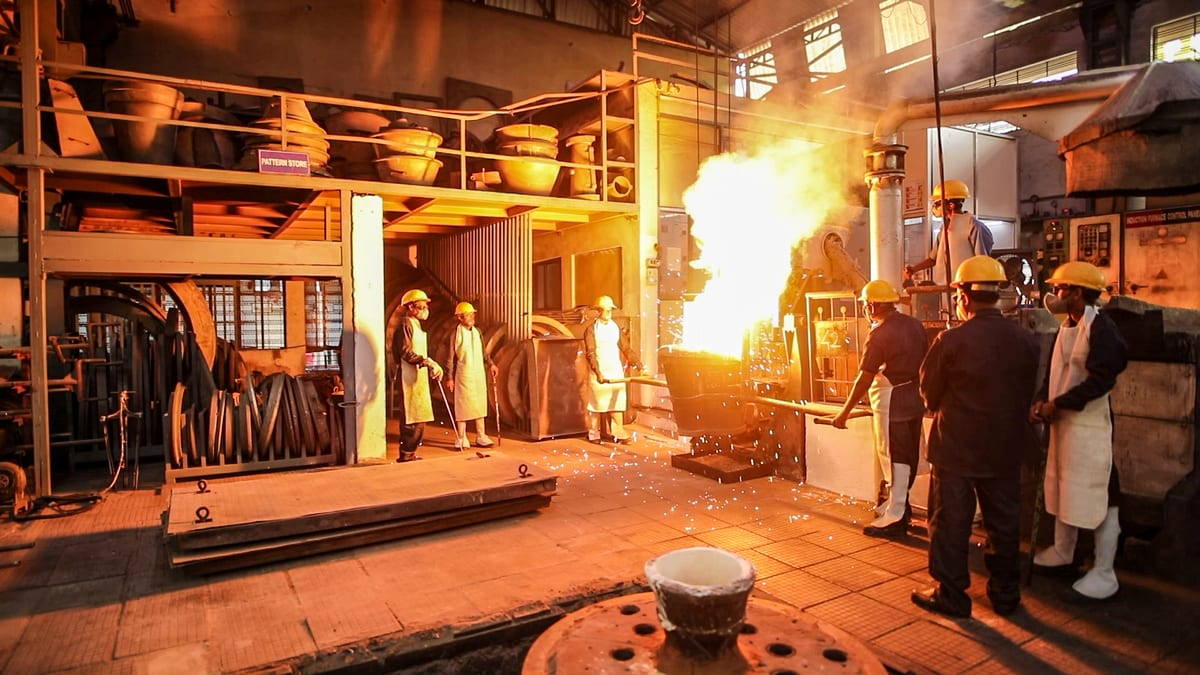
Foundry & Casting
High-temperature precision casting of JC Conflo fillings in our state-of-the-art foundry
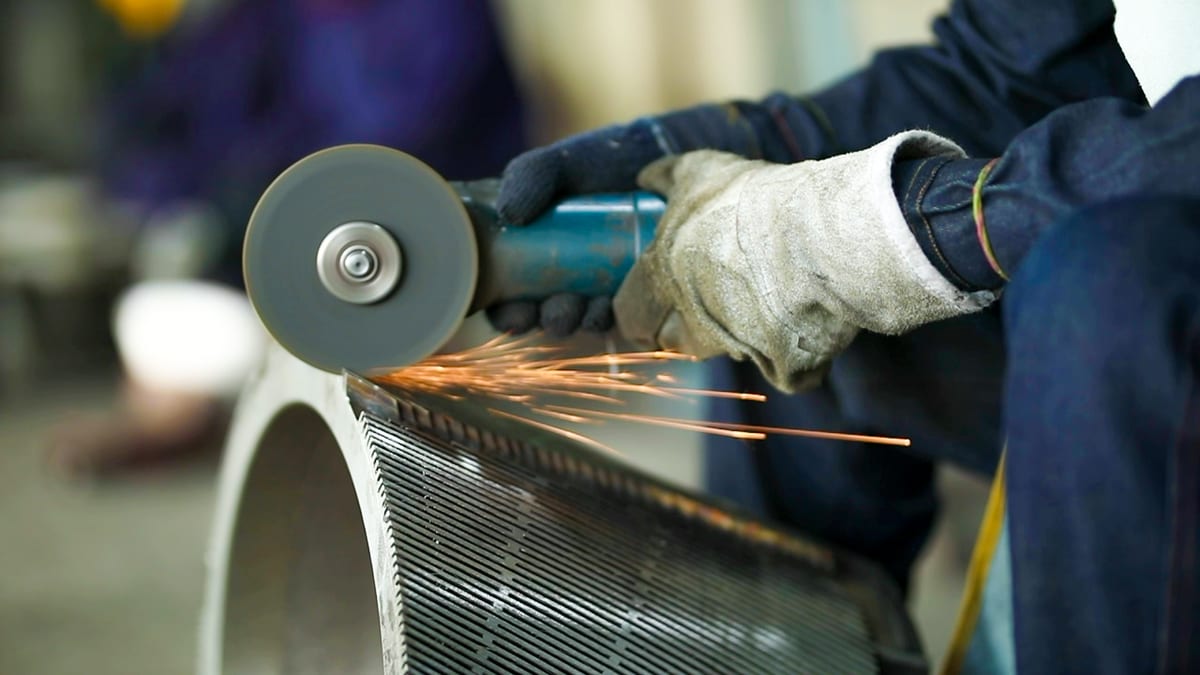
Grinding & Finishing
Precision hand grinding and surface finishing of filling bar profiles
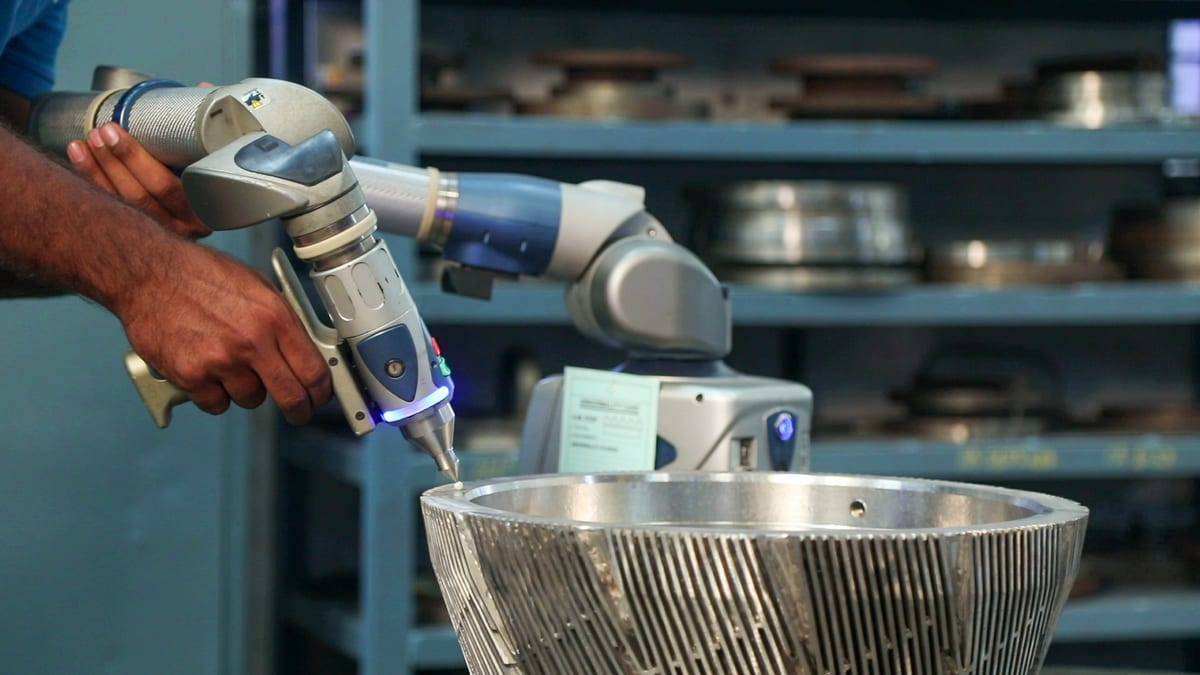
Quality Inspection
Multi-point dimensional verification to OEM specifications
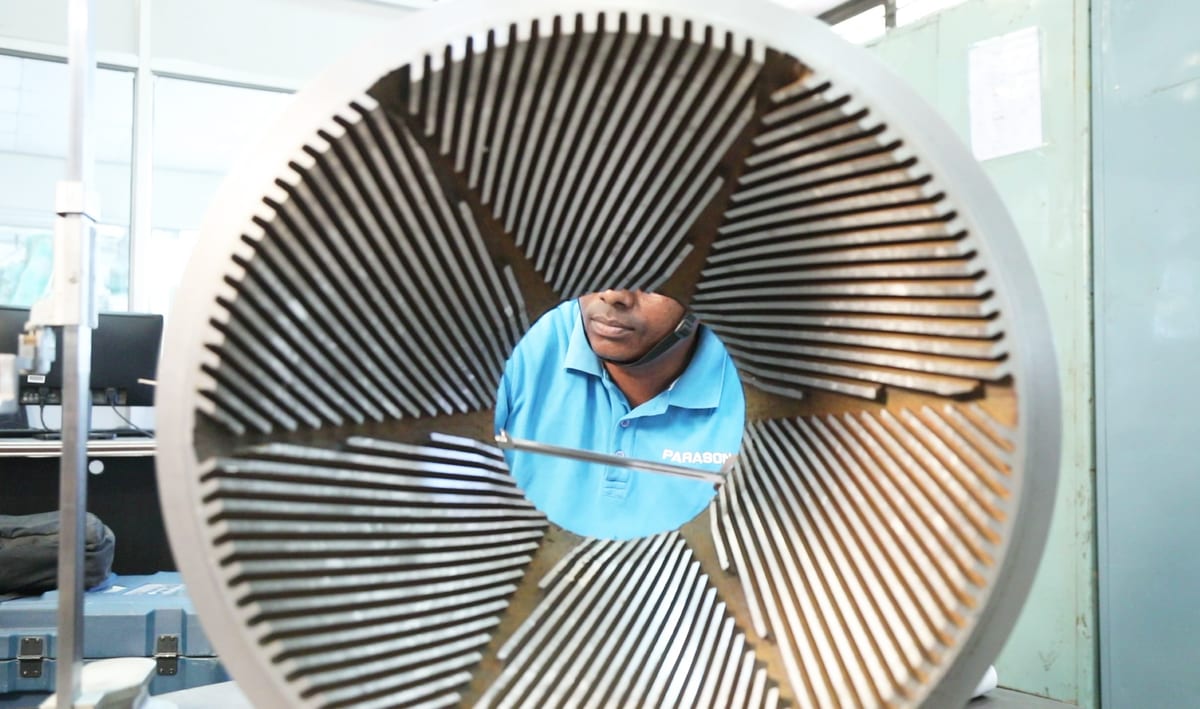
Pattern Verification
Hands-on inspection of bar patterns ensuring coarse, medium, fine, and micro profiles meet specs
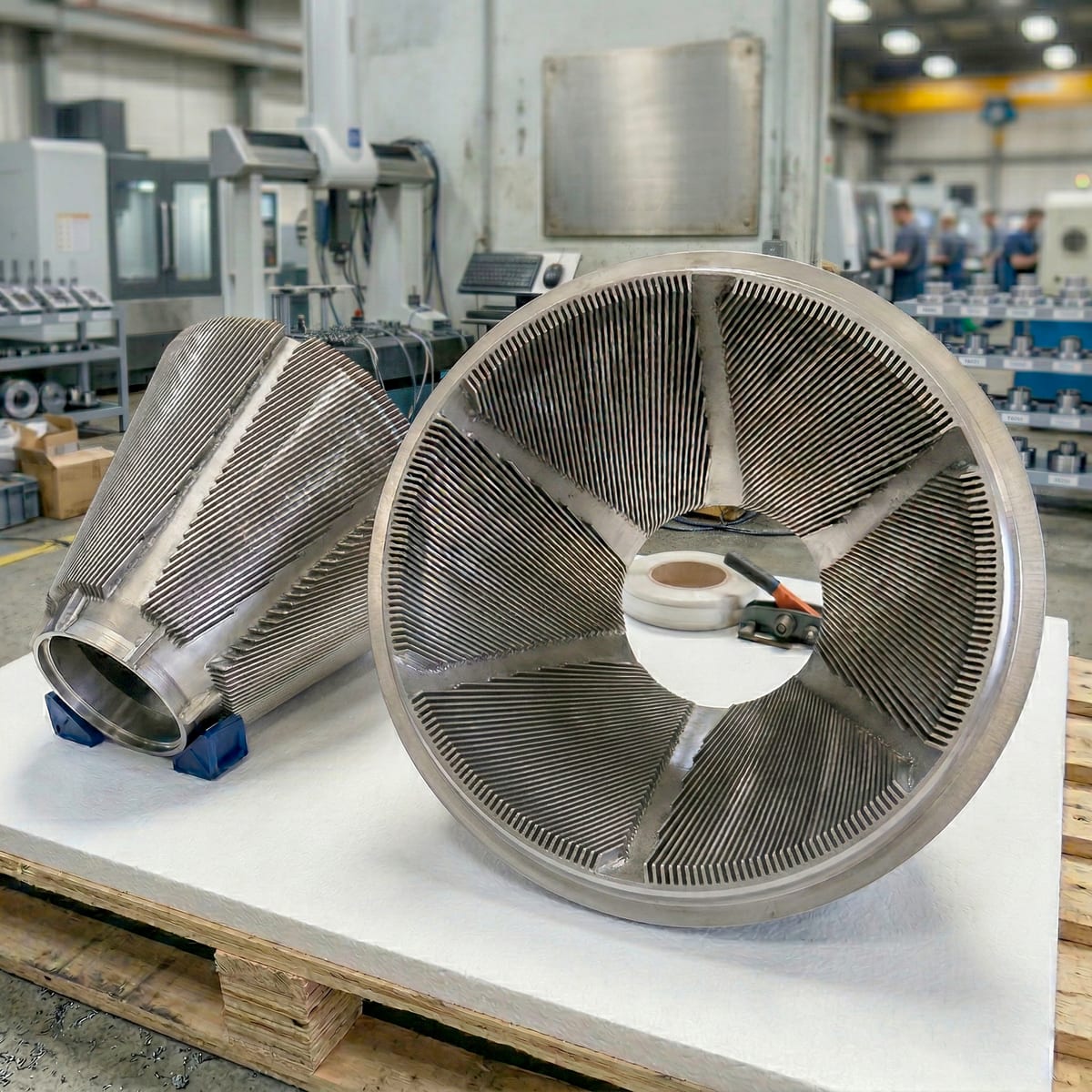
Finished Fillings
Completed JC Conflo fillings ready for final packaging and dispatch
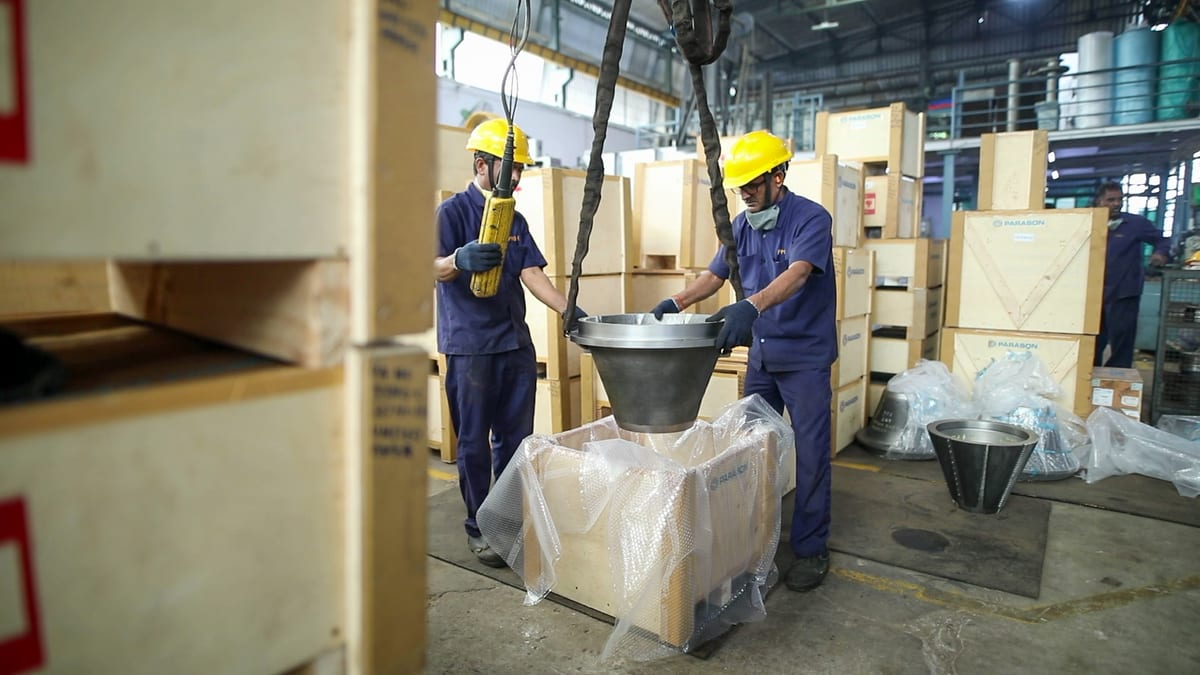
Dispatch & Shipping
Securely packaged and palletized for worldwide shipment
Why Your Refiner Is Consuming More Energy Than Necessary
Most mills accept high refining energy as unavoidable. It's not. The root causes are identifiable and fixable.
Bar Edge Rounding
As refiner fillings wear, bar edges gradually round off. Rounded edges require more energy to achieve the same fiber development. By end of life, worn fillings consume 15-25% more kWh/ton than fresh fillings — but the increase is gradual, so many mills don't notice.
Suboptimal Pattern Selection
Many mills run the same generic OEM pattern for years without evaluating if it's optimal for their current furnish mix, grade requirements, or production rates. A wrong pattern forces the refiner to work harder for the same result.
Over-Refining
Without proper SEC (Specific Energy Consumption) targets and monitoring, operators often over-refine stock — consuming energy to develop fiber properties beyond what's needed, generating excess fines, and hurting drainage.
Multiple Refiners Running Inefficiently
Mills running 3-4 refiners in series or parallel may have unbalanced loads, with some refiners doing minimal useful work. Optimized fillings can allow one refiner to do the work of two.
Rising Electricity Costs
Global electricity prices are rising 5-10% annually. Every kWh/ton of unnecessary refining energy directly impacts production cost per ton of paper — making efficiency gains increasingly valuable.
No Refining Energy Benchmarking
Most mills don't benchmark their refining SEC against industry standards. Without data, there's no visibility into how much energy is being wasted and where optimization opportunities exist.
The Hidden Energy Cost in Your Refining System
A typical medium-sized paper mill with 3-4 JC Conflo refiners consumes 500-1500 kW continuously for refining. Even a 15% reduction translates to significant annual savings — enough to fund the entire filling replacement cost multiple times over.
ERP™ Technology + Optimized Patterns = Measurable Energy Savings
Parason attacks refining energy waste from two angles — fillings that stay sharp longer and patterns specifically designed for your application.
ERP™ Edge Retention Property
Parason's exclusive metallurgical innovation maintains sharp bar edges 25-40% longer than conventional cast fillings. Sharp edges mean efficient fiber treatment at lower specific energy throughout the filling's life.
Application-Specific Pattern Design
Parason refining experts analyze your fiber type, grade requirements, and production targets to recommend the optimal bar width, groove depth, bar height, and dam placement — not a generic one-size-fits-all pattern.
Energy-Saving Micro Bar Designs
Fine bar patterns increase bar edge length (BEL) per revolution, enabling more fiber contacts at lower intensity. Result: same freeness target achieved at 10-20% lower SEC.
Refining System Energy Audit
Parason engineers evaluate your entire refining system: number of stages, load distribution, SEC per stage, freeness development, and filling condition. Identify exactly where energy is being wasted.
Operator Training on SEC Management
Train your operators to monitor and optimize specific energy consumption targets, gap control, and production rate adjustments — sustaining energy savings long after the fillings are installed.
How ERP™ Delivers Energy Savings Over the Filling Lifecycle
New Filling
Fresh ERP™ fillings start with precision CNC-ground sharp edges. Optimal SEC from day one — low energy, high fiber development.
Mid-Life (6 months)
Conventional fillings show significant edge rounding. ERP™ fillings retain sharp edges — still operating near fresh-filling efficiency while competitors degrade.
Late Life (12 months)
Conventional fillings are rounded, consuming 15-25% more energy. ERP™ fillings still have effective edges — maintaining energy efficiency 25-40% longer.
End of Life
ERP™ fillings reach end-of-life later than conventional. Total energy saved over lifecycle: 10-20% less kWh/ton consumed. Replace with fresh ERP™ and repeat the cycle.
Energy Performance: OEM vs Parason ERP™ Fillings
* Energy savings estimates based on field data and customer feedback. Actual results vary by application, furnish, and operating conditions.
Energy Savings Across Every Refining Application
OCC / Recycled Fiber
High contamination causes rapid wear. ERP™ maintains edges in demanding conditions.
Kraft Softwood
Long fiber refining needs gentle treatment. Optimized patterns reduce over-refining.
Hardwood Refining
Short fibers need uniform low-intensity treatment. Fine bar patterns save energy.
Tissue Stock Preparation
Minimal refining needed. Right pattern avoids excess energy on delicate fibers.
Packaging Board
High throughput demands. Energy-efficient patterns maintain strength at lower SEC.
Broke Refining
Often over-refined. Optimized filling reduces energy waste on already-processed fiber.
Trusted by Mills Worldwide
Related JC Conflo Solutions
Explore more ways to optimize your JC Conflo refiner performance and reduce costs
JC Conflo Fillings
OEM-compatible JC Conflo fillings at 40-50% lower cost — cast & welded for all models.
JC Conflo Fiber Quality
Application-specific patterns reduce fines 30-40% and improve tensile strength 10-20%.
JC Conflo Refining Support
Expert refining audits, pattern optimization, and 24/7 technical support.
Start Saving Energy in Your Refining System Today
Request a free refining energy assessment. Parason engineers will analyze your current SEC, filling condition, and pattern — and show you exactly how much energy and money you can save.