
Poor Refining Quality Hurting Your Paper? Get Application-Optimized JC Conflo Fillings
Excessive fiber cutting, high fines, uneven development, and shive problems trace back to one root cause — the wrong filling pattern for your fiber type. Parason's refining experts design patterns specifically for your application, delivering consistent quality from every refiner cycle.
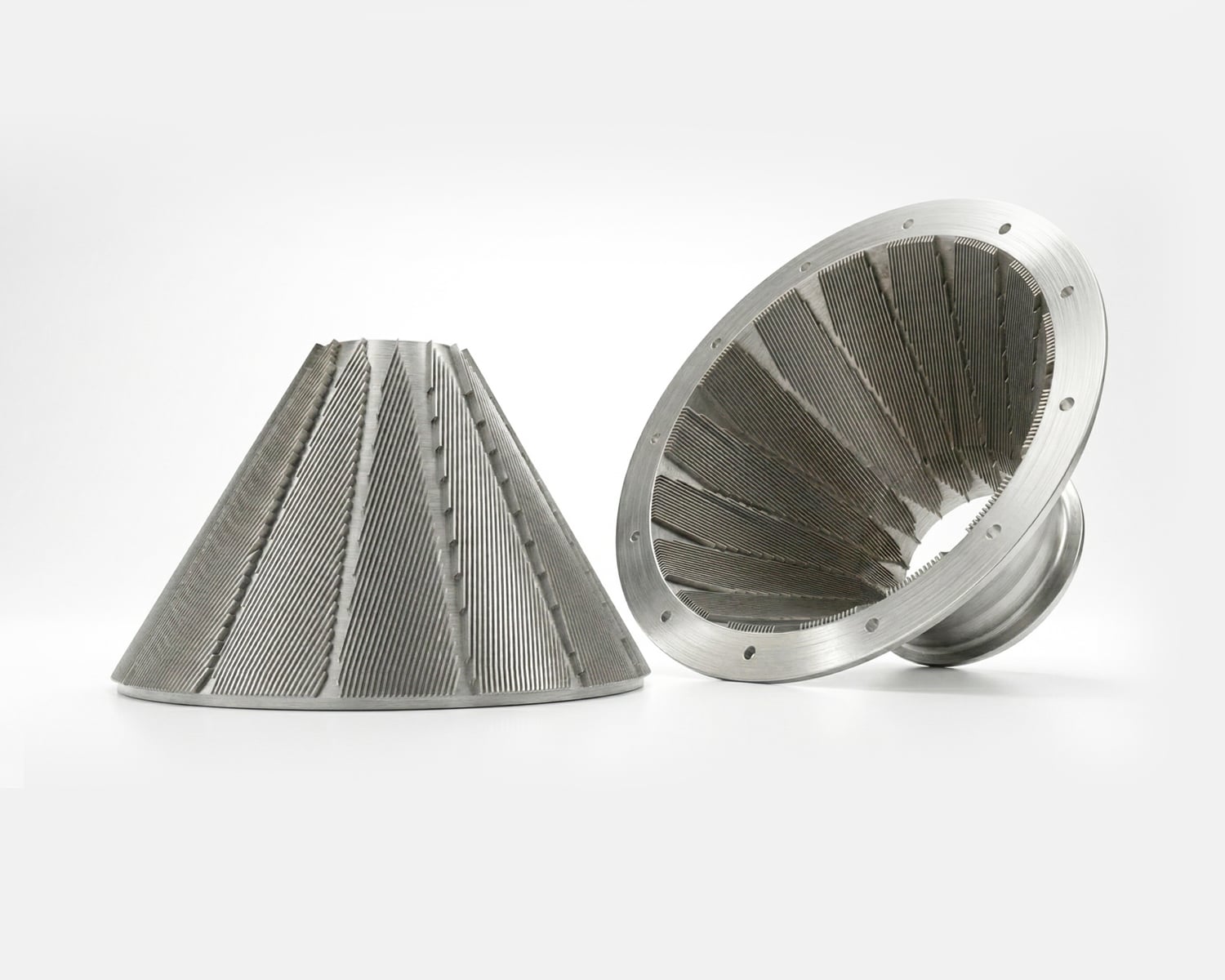
From Foundry to Ready-to-Install Fillings
Every Parason JC Conflo filling goes through a rigorous manufacturing and quality process to ensure OEM-compatible performance.
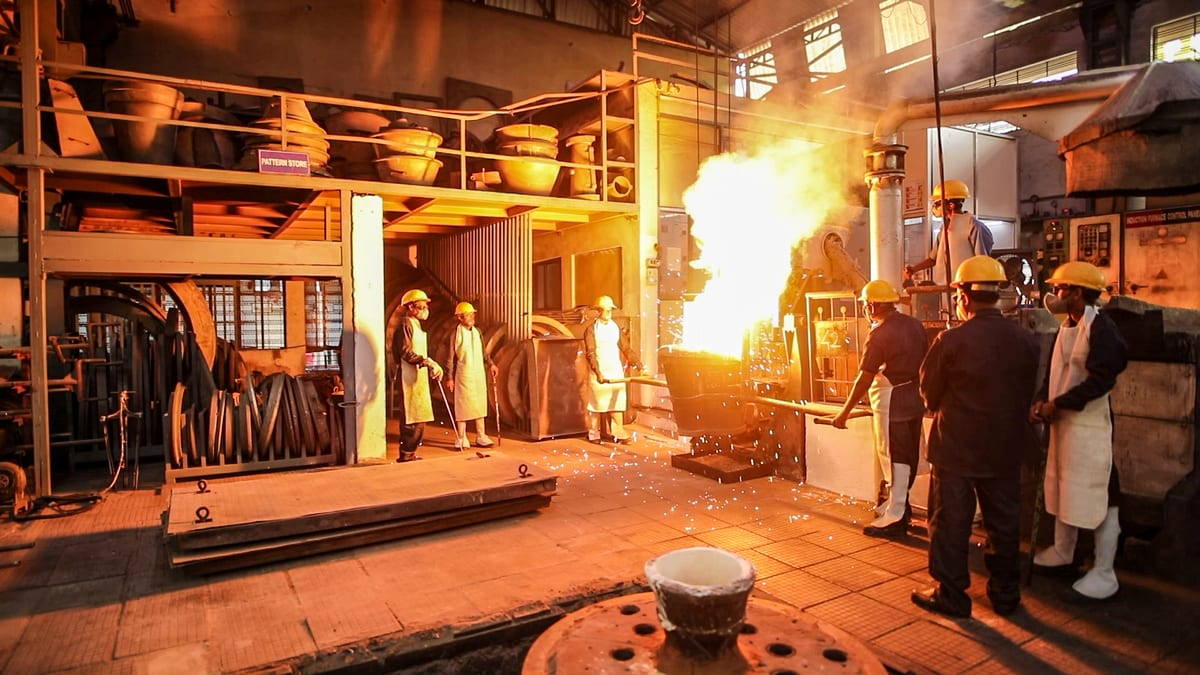
Foundry & Casting
High-temperature precision casting of JC Conflo fillings in our state-of-the-art foundry
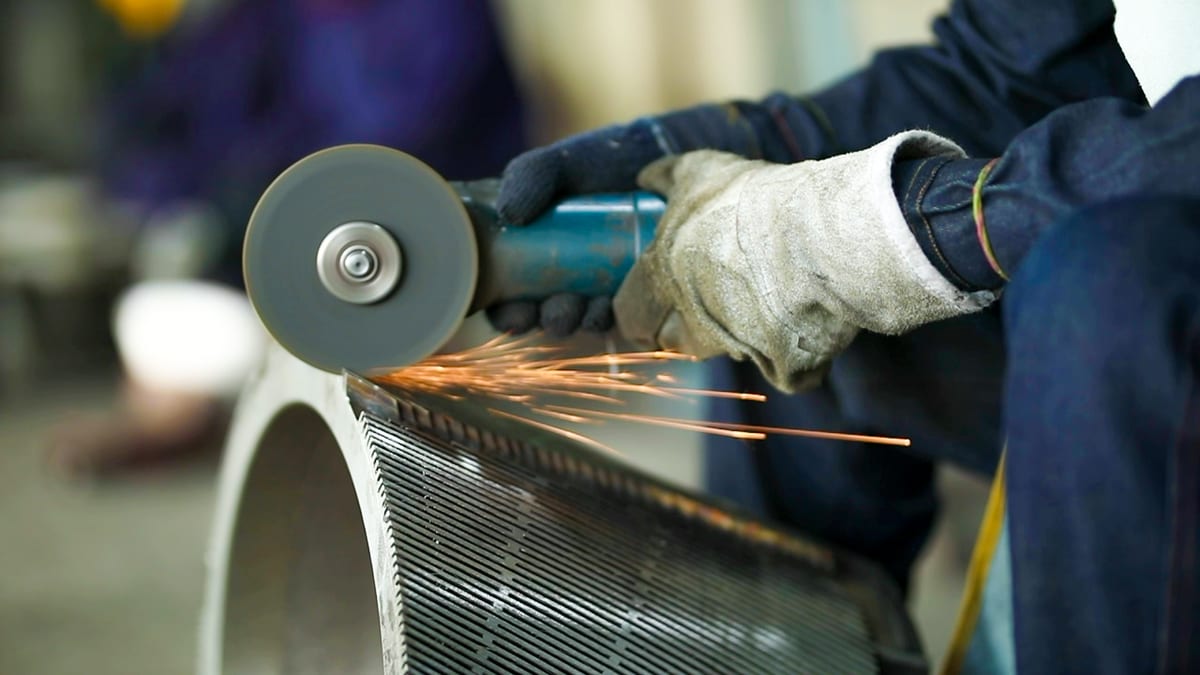
Grinding & Finishing
Precision hand grinding and surface finishing of filling bar profiles
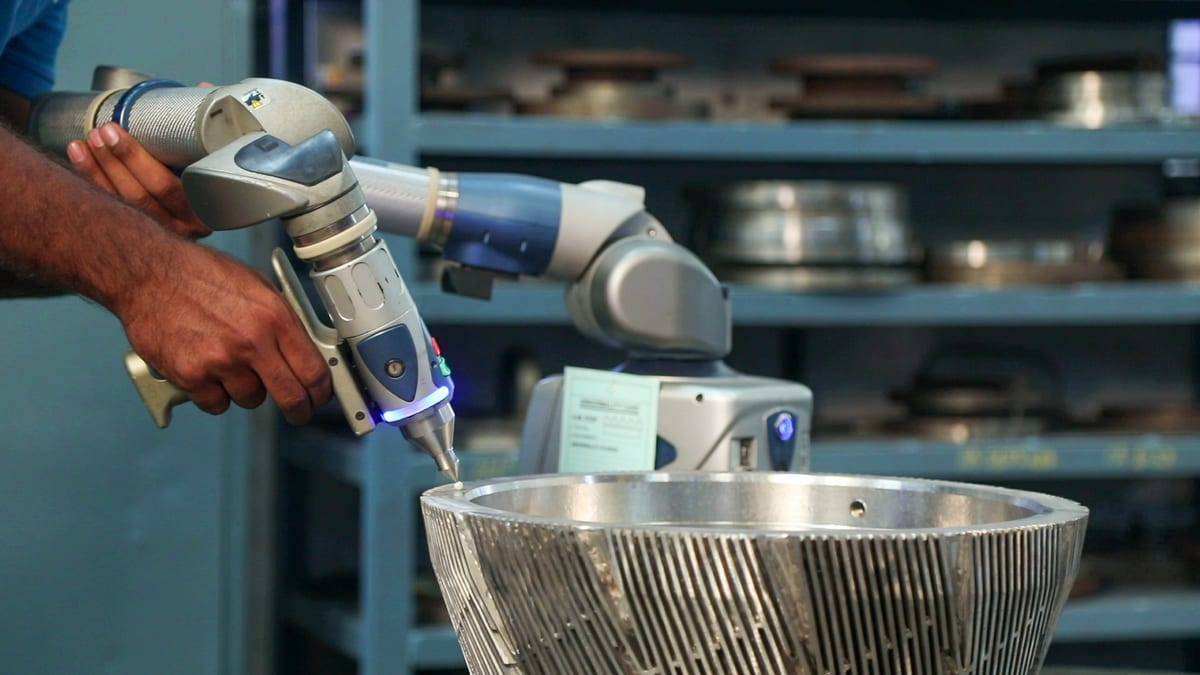
Quality Inspection
Multi-point dimensional verification to OEM specifications
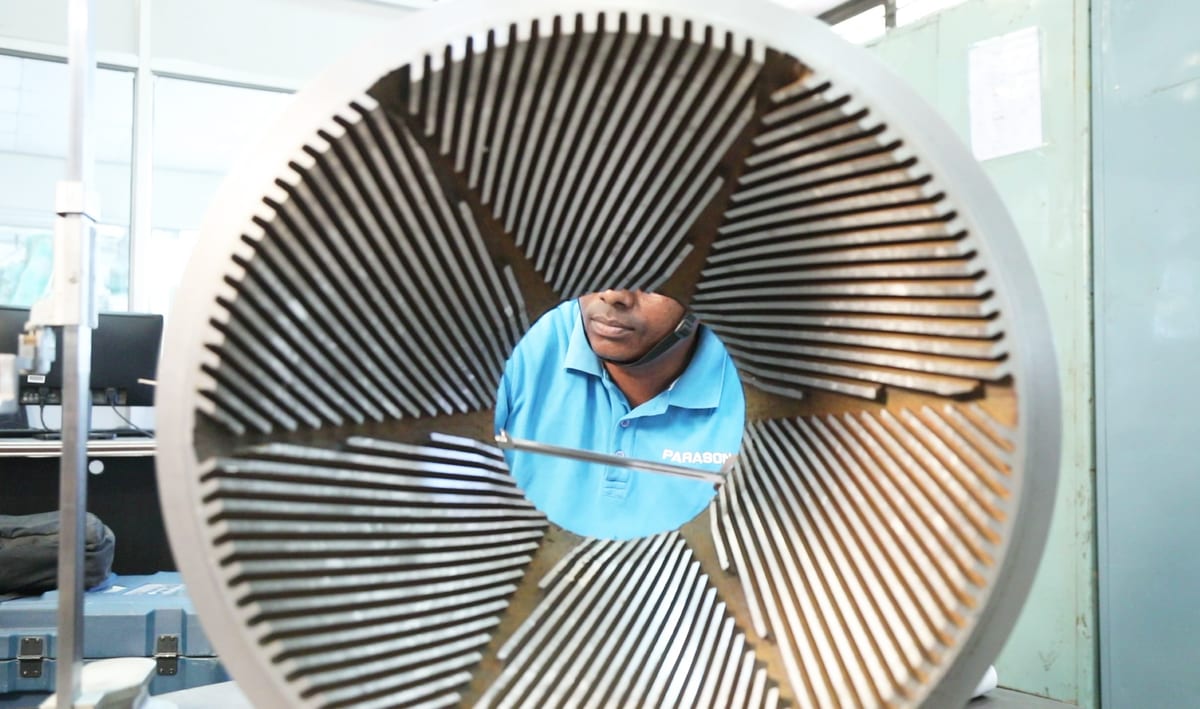
Pattern Verification
Hands-on inspection of bar patterns ensuring coarse, medium, fine, and micro profiles meet specs
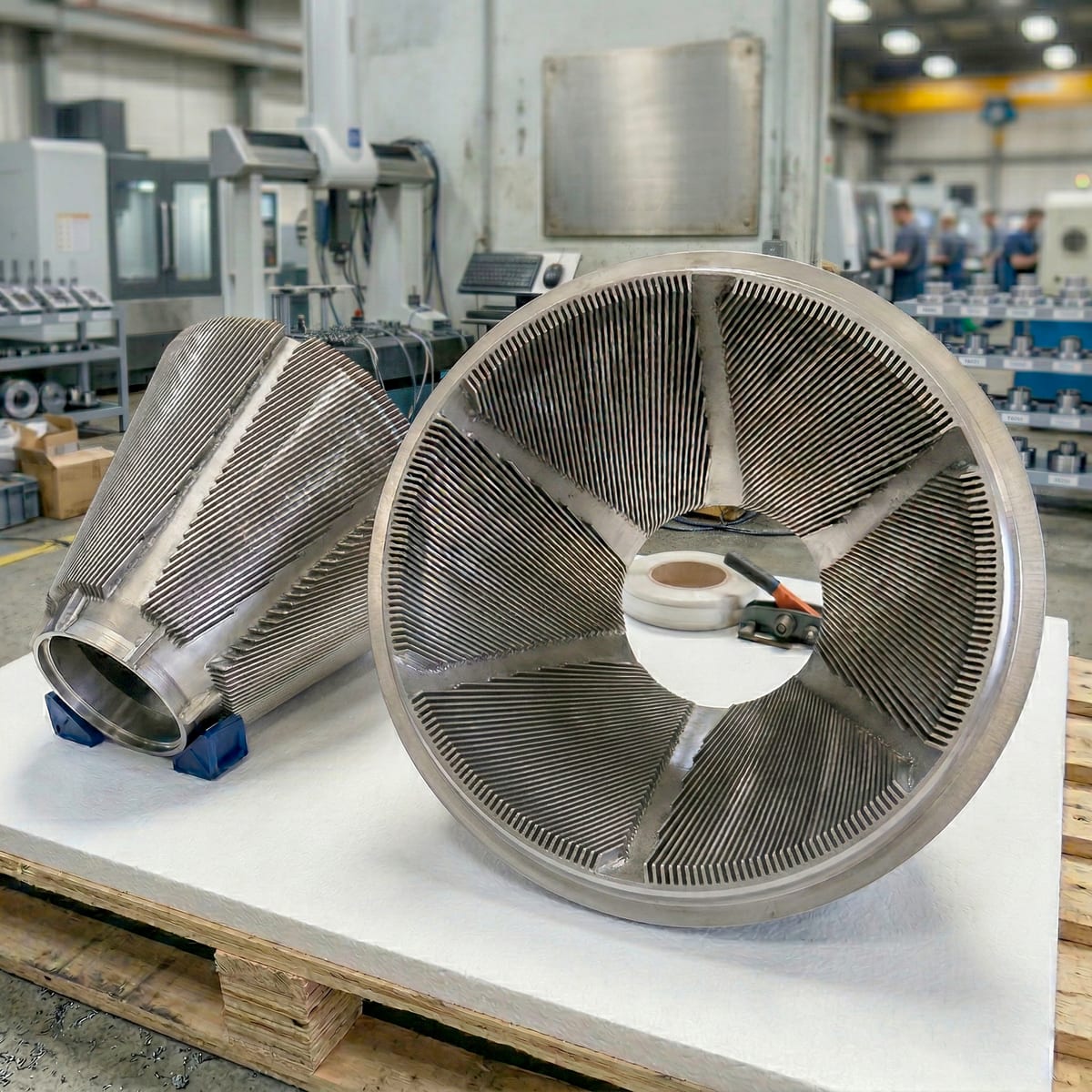
Finished Fillings
Completed JC Conflo fillings ready for final packaging and dispatch
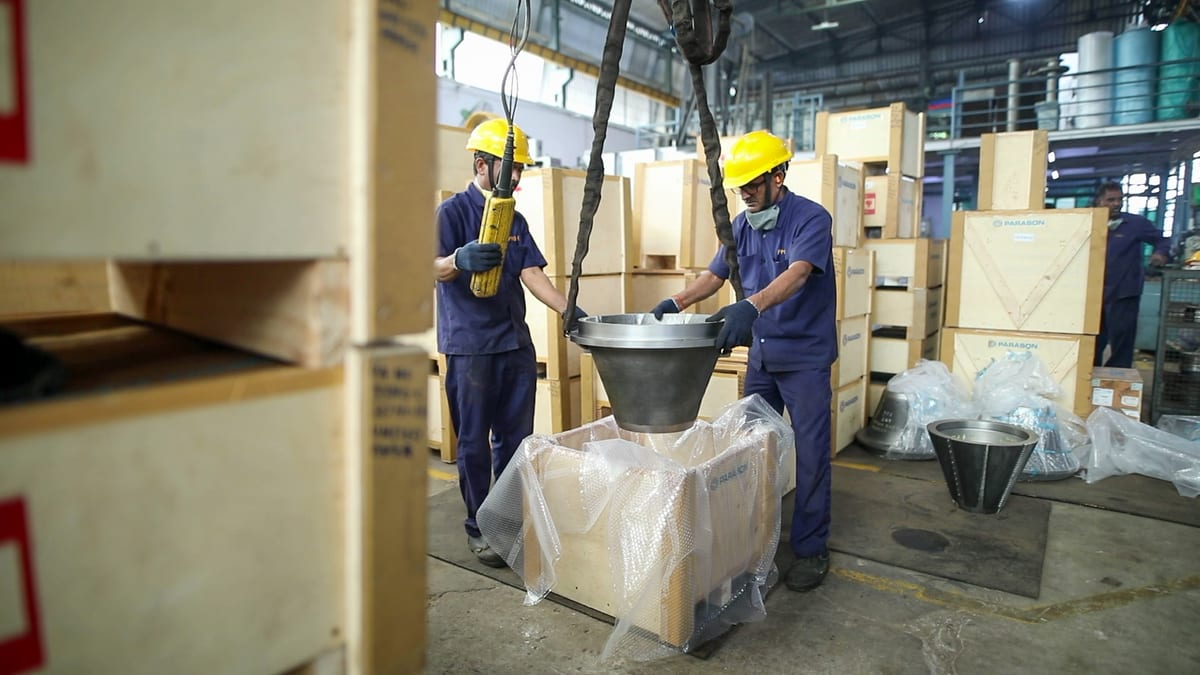
Dispatch & Shipping
Securely packaged and palletized for worldwide shipment
Why Your Refiner Is Producing Inconsistent Fiber Quality
The root cause is almost always the filling pattern — wrong design for your fiber type, worn geometry, or mismatched intensity.
Excessive Fiber Cutting
Wrong bar pattern or worn fillings cut fibers instead of fibrillating them. Shorter fibers mean weaker paper, lower tear strength, and more furnish needed to hit targets.
High Fines Generation
Over-aggressive refining or too-fine bar patterns generate excessive fines. Fines hurt drainage, reduce machine speed, increase energy use in drying, and waste fiber.
Uneven Refining Across Zone
Non-uniform flow distribution or warped fillings cause some fibers to be over-refined while others pass through untreated. Result: inconsistent sheet properties across the web.
High Shive Content
Insufficient refining intensity or wrong bar geometry allows shives (fiber bundles) to pass through. Shives cause print-through, weak spots, and customer complaints.
Freeness Drop Without Strength
Some patterns drop freeness rapidly (creating drainage problems) without developing proportional strength. The mill loses machine speed without gaining paper quality.
Grade Change Challenges
Mills switching between grades (kraft, testliner, fluting, fine paper) need different refining intensity. A single generic pattern cannot optimize for all grades.
Poor Fiber Quality Cascades Through Your Entire Operation
When refining quality suffers, the paper machine pays the price — more web breaks, slower speeds, higher furnish costs, and customer complaints that threaten contracts.
Application-Optimized Fillings. Consistent Quality. Every Cycle.
Parason designs filling patterns specifically for your fiber type and grade — not generic one-size-fits-all solutions.
Application-Specific Pattern Design
Parason refining experts analyze your fiber type (virgin SW, HW, OCC, mixed waste, broke), grade requirements, and quality targets to design the optimal bar pattern — not a generic catalog selection.
Low-Intensity Refining Designs
For applications needing gentle fiber treatment (tissue, fine paper), Parason offers fine and micro bar patterns that develop fiber bonding without cutting — preserving fiber length while building strength.
Large Pattern Library
More standard patterns available than OEM catalog. From coarse (aggressive OCC) to ultra-fine (tissue, specialty). Includes dam variations, sub-surface dams, and root taper options for precise control.
Optimized Bar Geometry
Bar width, height, groove depth, edge radius, and bar angle are all tuned for your specific application. Parason uses CNC technology for precision manufacturing of complex geometries.
Refining System Audit
Before recommending fillings, Parason engineers evaluate your entire refining setup: number of stages, load distribution, freeness development, existing patterns, and operating parameters.
Operator Training Program
Classroom and hands-on training covering gap control, SEC targets, freeness management, and troubleshooting. Empowers your team to maintain consistent quality between filling changes.
Optimized Patterns for Every Fiber Type
Virgin Softwood (SW)
Long fiber needs gentle treatment. Fine bar patterns preserve fiber length while developing bonding. Ideal for kraft, sack paper, and board top layer.
Virgin Hardwood (HW)
Short fiber needs uniform low-intensity refining. Micro bar designs ensure even treatment without excessive cutting or fines.
OCC / Recycled Fiber
Contaminated and variable furnish needs robust patterns. Coarse to medium bars with optimized dams handle debris while developing strength.
Mixed Waste Paper
Variable fiber quality needs adaptive refining. Medium patterns balance throughput with fiber development for packaging grades.
Tissue & Specialty
Minimal refining required. Ultra-fine patterns provide just enough fibrillation for bonding without sacrificing softness or bulk.
Broke & Couch Pit
Already-processed fiber needs minimal treatment. Optimized patterns avoid over-refining while ensuring adequate deflaking.
Generic OEM Pattern vs Parason Optimized Pattern
* Results vary by fiber type, grade, and operating conditions. Based on field data and customer feedback.
Trusted for Fiber Quality Worldwide
Related JC Conflo Solutions
Explore more ways to optimize your JC Conflo refiner performance and reduce costs
Stop Guessing — Get Application-Optimized Fillings
Send us your fiber type, grade requirements, and current refining parameters. Parason engineers will recommend the optimal filling pattern — free consultation, no obligation.