Stock Preparation/Deflaking
Deflaking Solutions
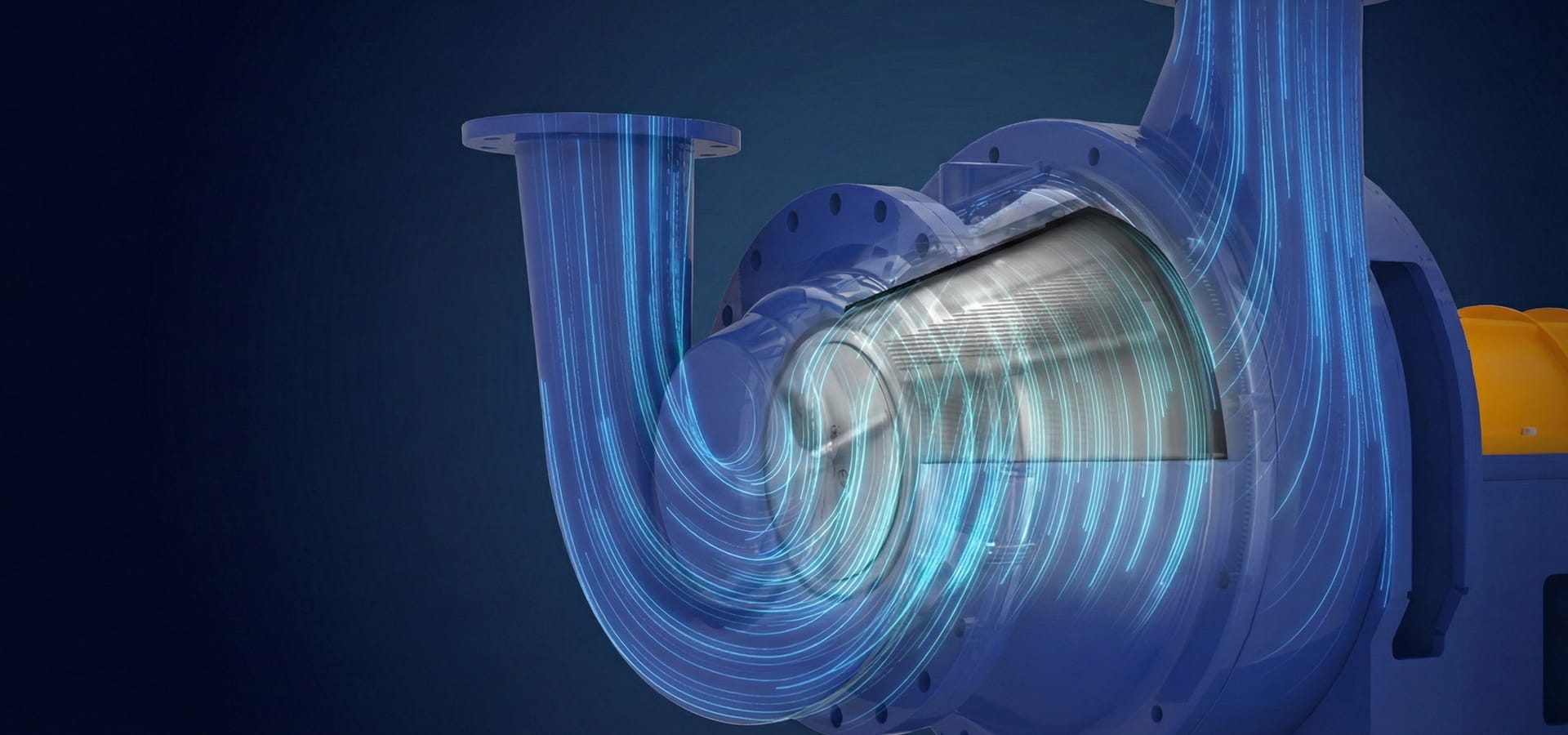
Conical, hole-type, and ring-type deflakers for breaking apart fiber flakes and shives without damaging individual fibers. Engineered for clean sheet formation and improved paper quality.
Explore Our Deflaking Solutions
High-speed deflakers with advanced rotor technology — designed for effective flake reduction with minimal fiber shortening.

Why Choose Parason for Deflaking?
With over 50 years of engineering excellence, Parason delivers deflaking solutions trusted by 500+ paper mills across 75+ countries.
500+
Mills Served
Worldwide installations
75+
Countries
Global presence
50+
Years Experience
Engineering excellence
24/7
Support
Service & spare parts
Frequently Asked Questions About Deflaker Equipment
What is a deflaker used for in paper mills?+
What is the difference between a deflaker and a refiner?+
A refiner develops fiber bonding through prolonged fibrillation — it changes fiber properties. A deflaker applies short, high-intensity impact to break apart fiber bundles without significant fibrillation. Refiners are for strength development, deflakers for fiber separation.
What types of deflakers does Parason manufacture?+
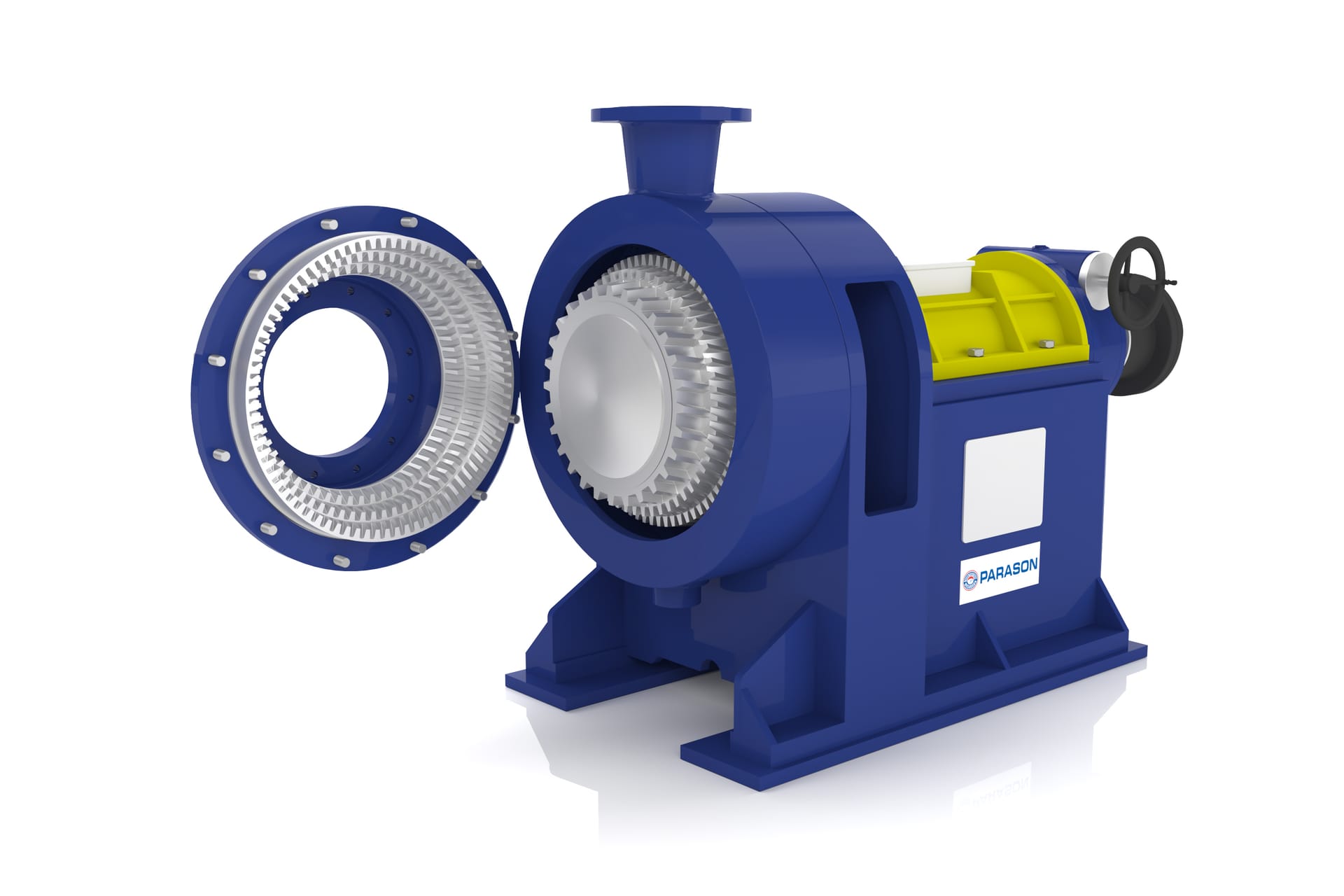
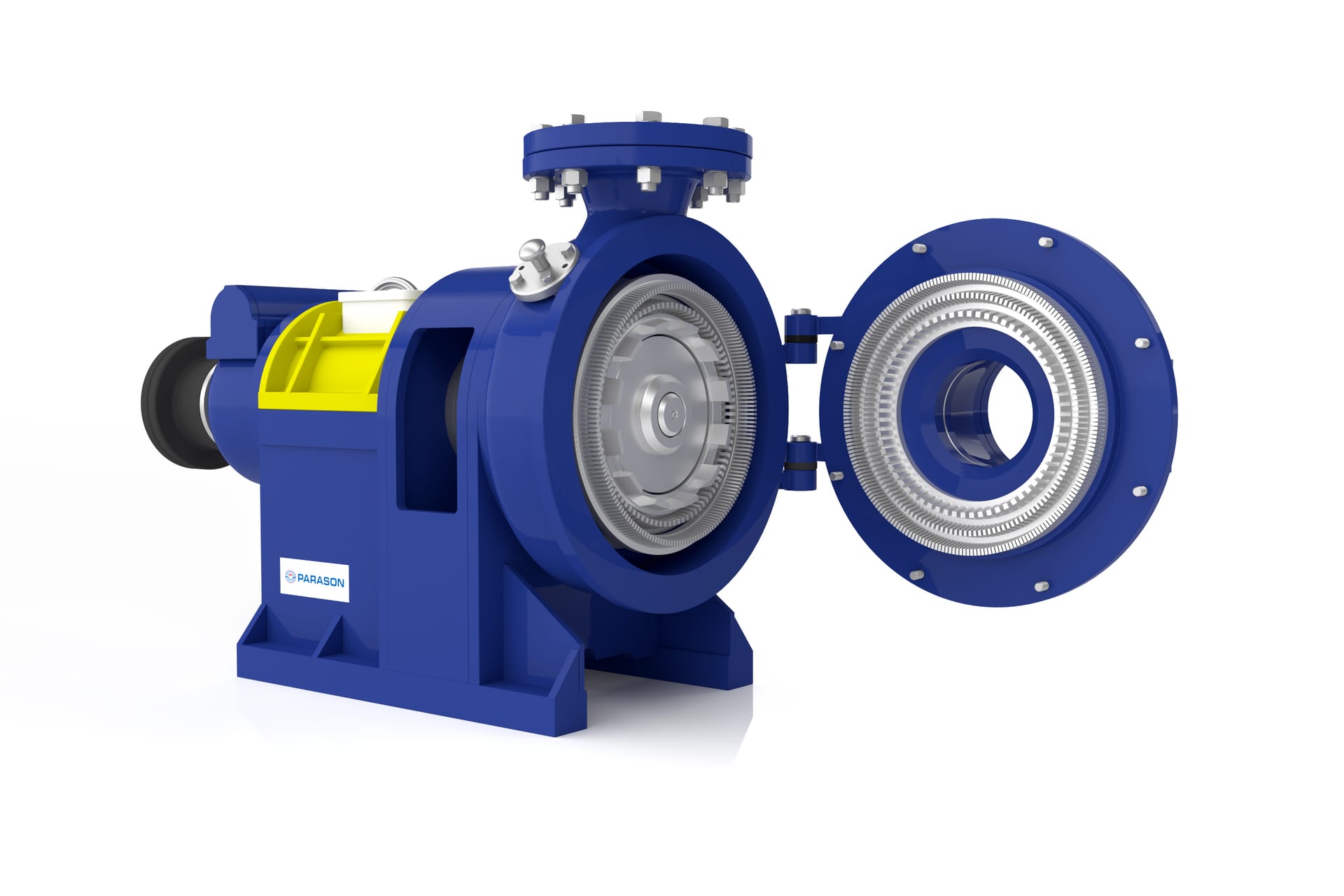
Parason manufactures three types: Conical Deflaker (CD) with three-stage conical geometry, Hole Type Deflaker (TDDH) using hydrodynamic shock waves at speeds up to 3000 RPM, and Ring Type Deflaker (TDDR) using ring-type rotor-stator geometry.
Where is a deflaker installed in the stock preparation line?+
Deflakers are typically installed after screening, before the machine chest or headbox approach system. Common positions include: after the couch pit for broke deflaking, after reject screening for fiber recovery, and in the approach flow system.
What is the working principle of a deflaker?+
Stock passes between a rotating element and a stationary element. The narrow gap and high rotational speed create intense mechanical shear and hydrodynamic forces that separate fiber bundles. Unlike a refiner's sustained grinding, a deflaker applies brief, high-energy impacts.