
Stock Preparation/Screening
Screening Solutions
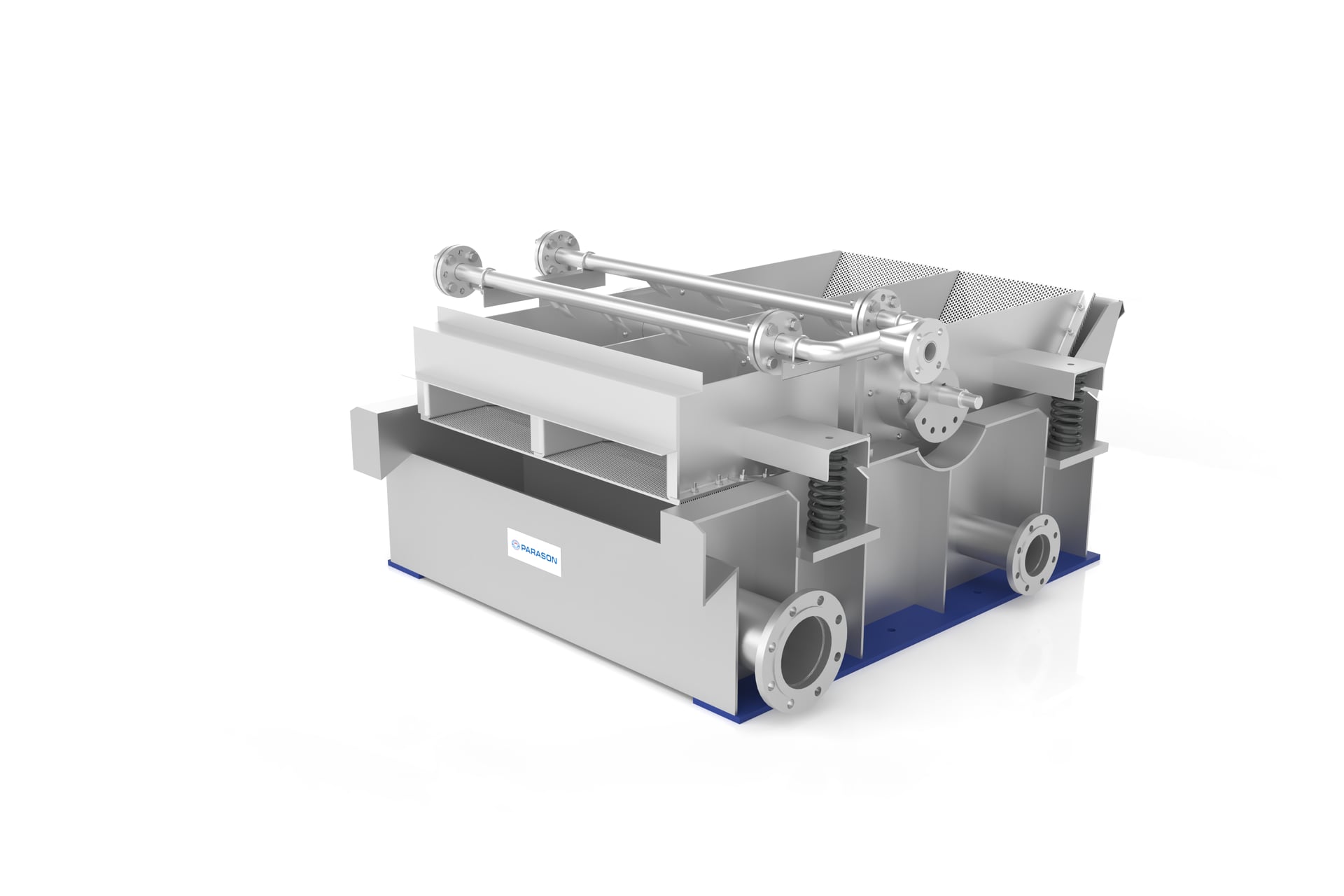
Pressure screens, vibrating screens, and fractionators for efficient fiber-contaminant separation. Our screening systems deliver the highest accept quality with minimum fiber loss — from coarse screening to fine slot screening.
Explore Our Screening Solutions
From high-capacity coarse screens to precision fine screens and complete multi-stage screening systems — built for continuous, trouble-free operation.
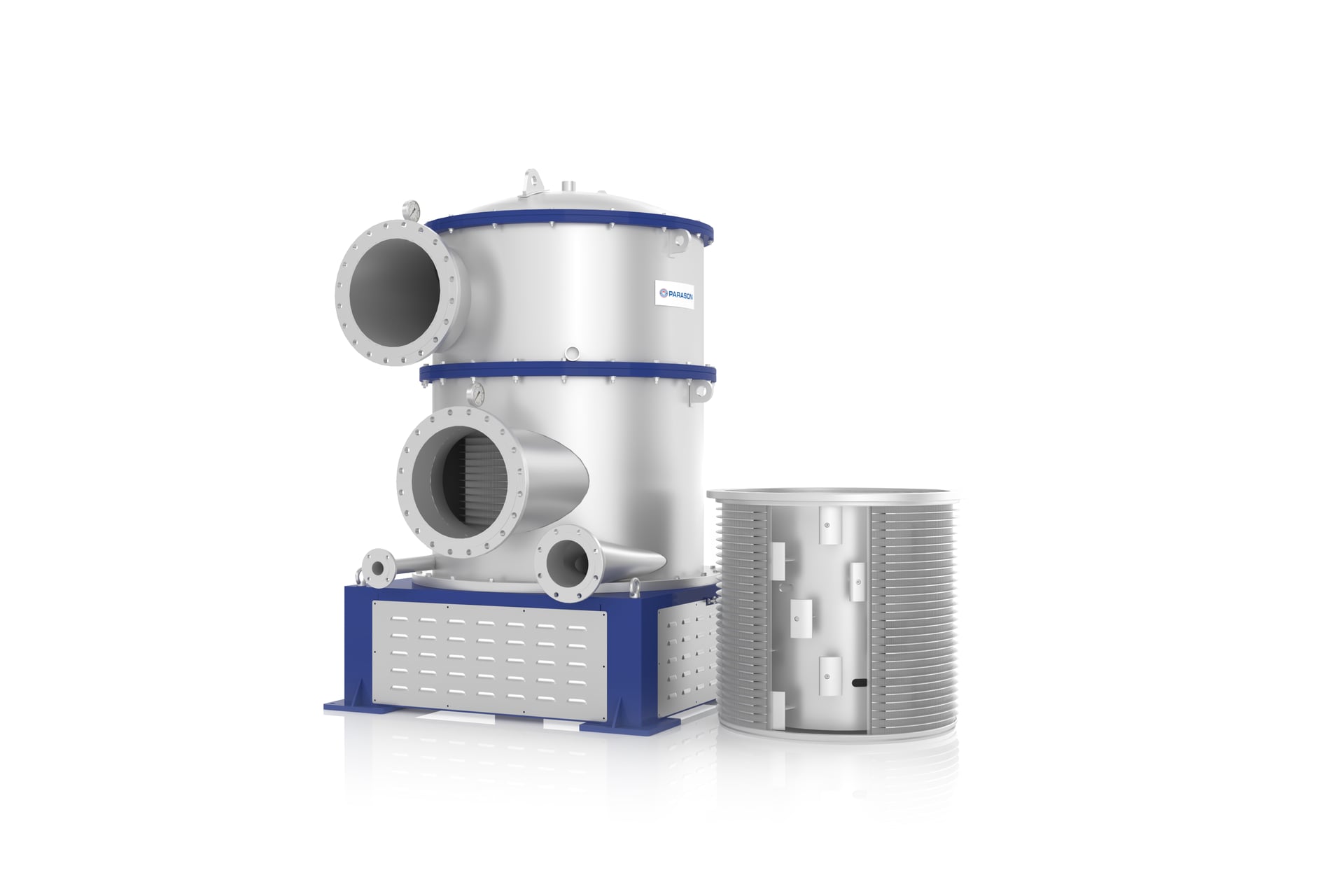
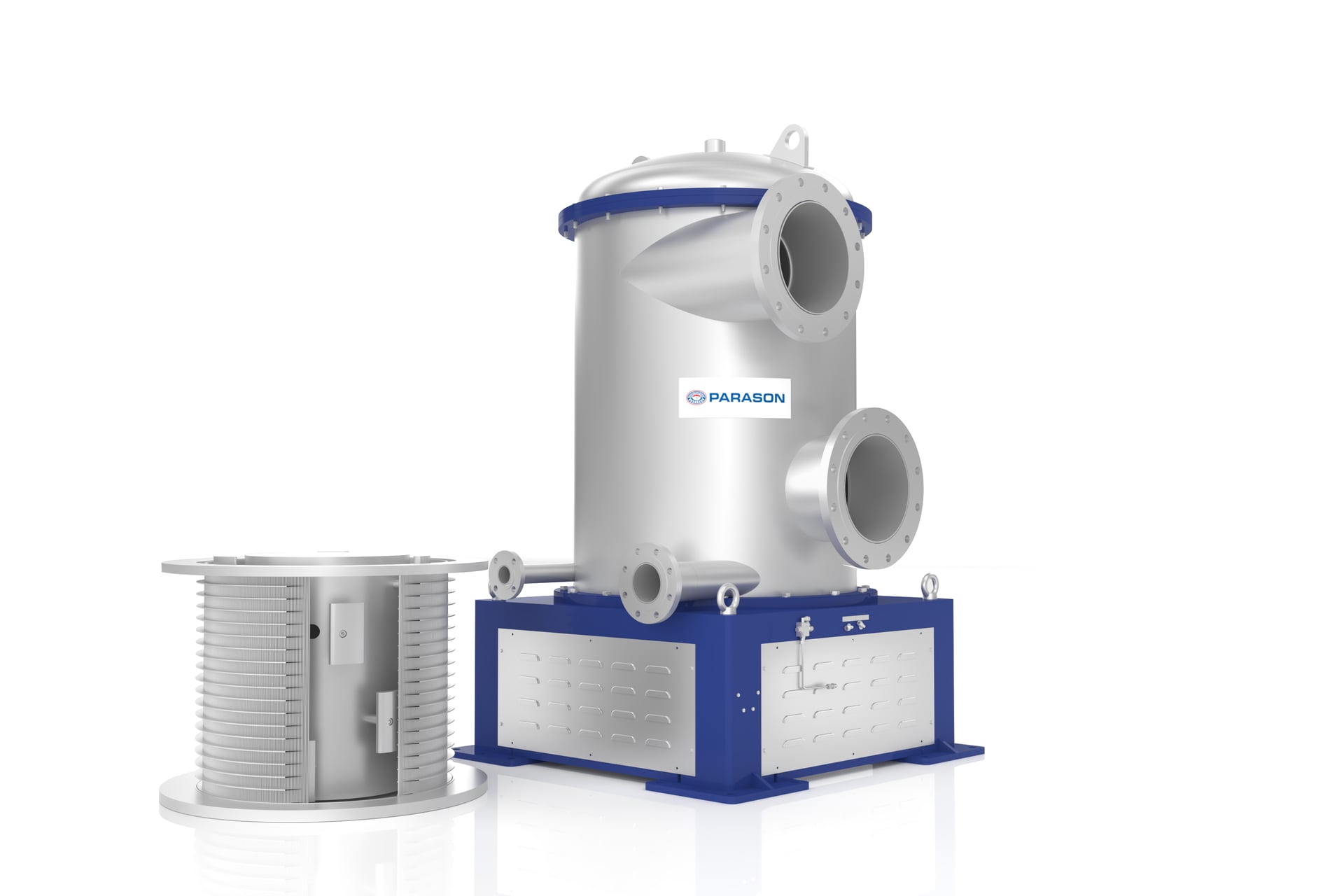
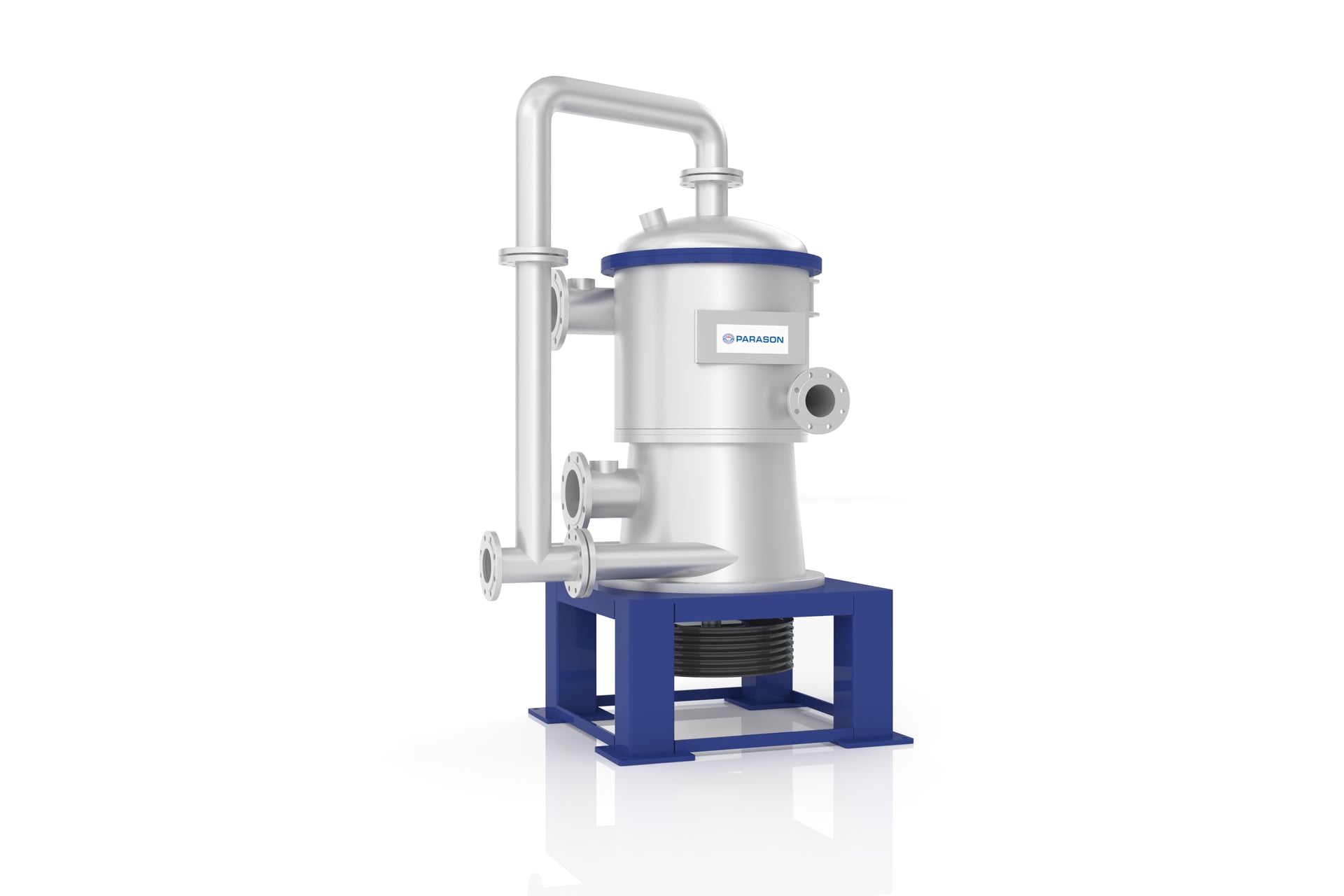
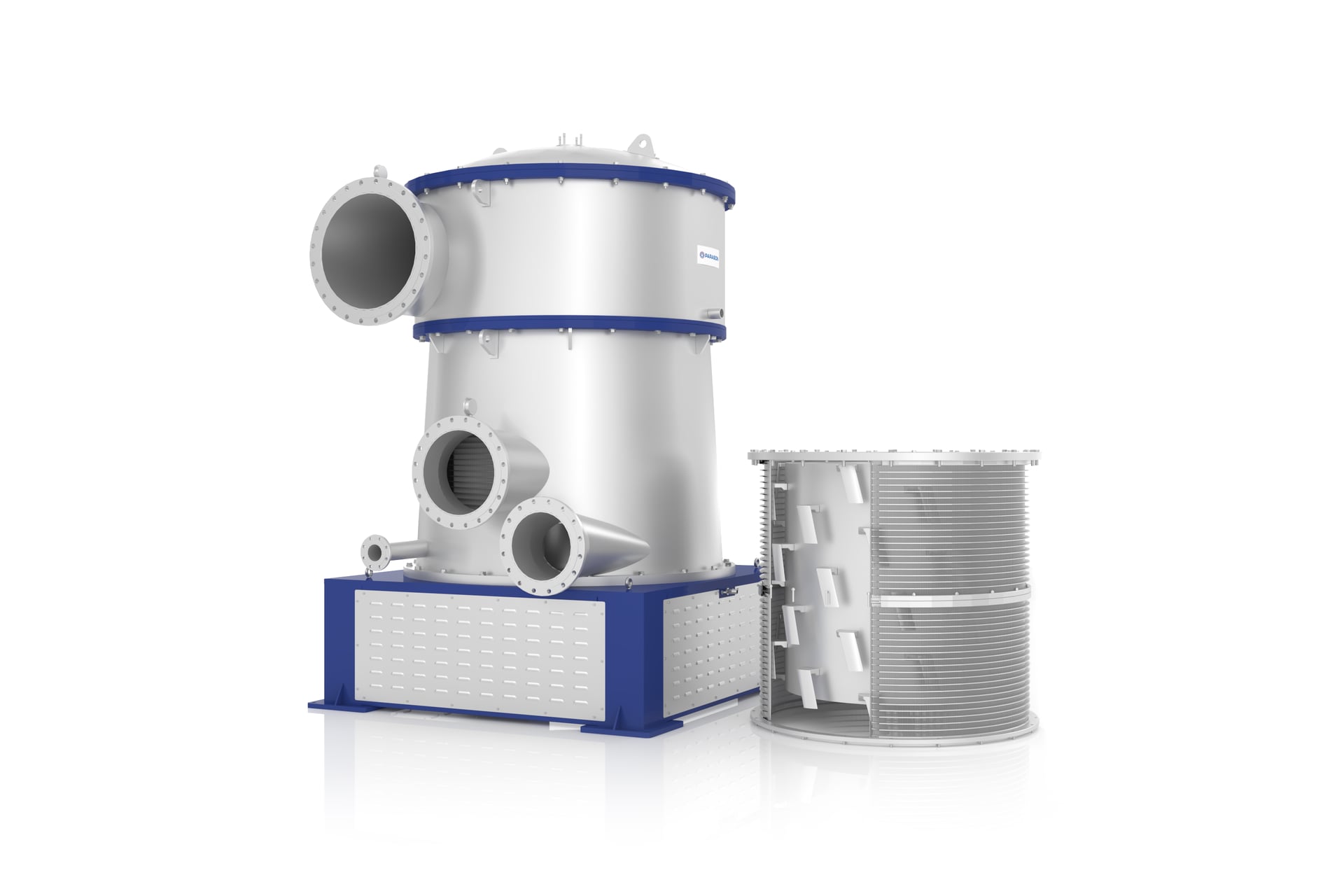
Why Choose Parason for Screening?
With over 50 years of engineering excellence, Parason delivers screening solutions trusted by 500+ paper mills across 75+ countries.
500+
Mills Served
Worldwide installations
75+
Countries
Global presence
50+
Years Experience
Engineering excellence
24/7
Support
Service & spare parts
Frequently Asked Questions About Screening Equipment
What is pulp screening in a paper mill?+
Pulp screening is the process of separating acceptable fibers from oversized contaminants, shives, and debris after pulping. Screens use slotted or holed baskets with rotating elements to pass good fiber through while rejecting unwanted material. It is a critical step that directly affects final paper quality and machine runnability.
What is the difference between coarse screening and fine screening?+
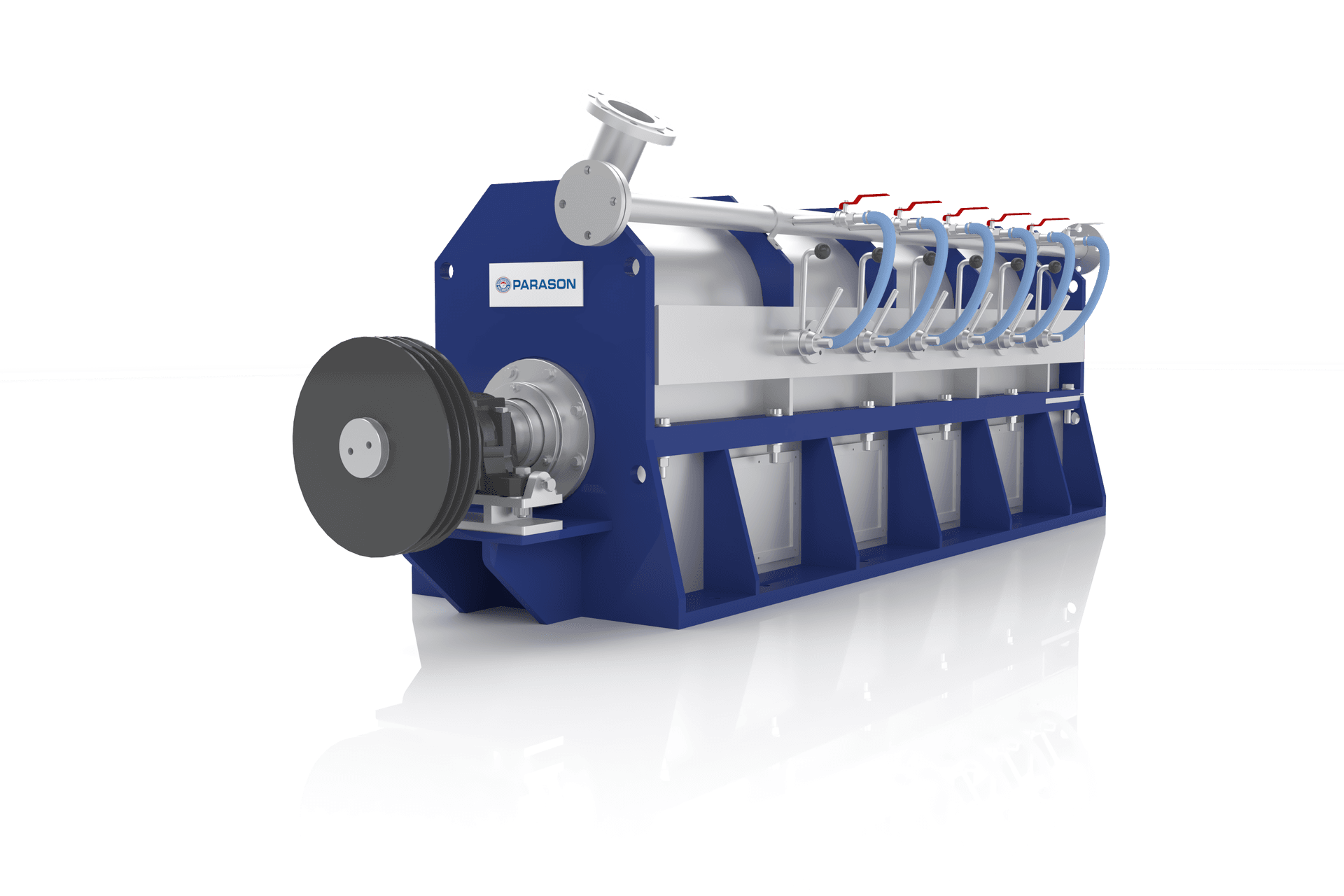
Coarse screening is the first stage after pulping — it removes large contaminants like plastics, rags, and metal using screens with larger slots. Fine screening follows, using tighter slots to remove small shives, fiber bundles, and micro-contaminants. Most paper mills use both stages in sequence for clean stock.
How does a pressure screen work?+
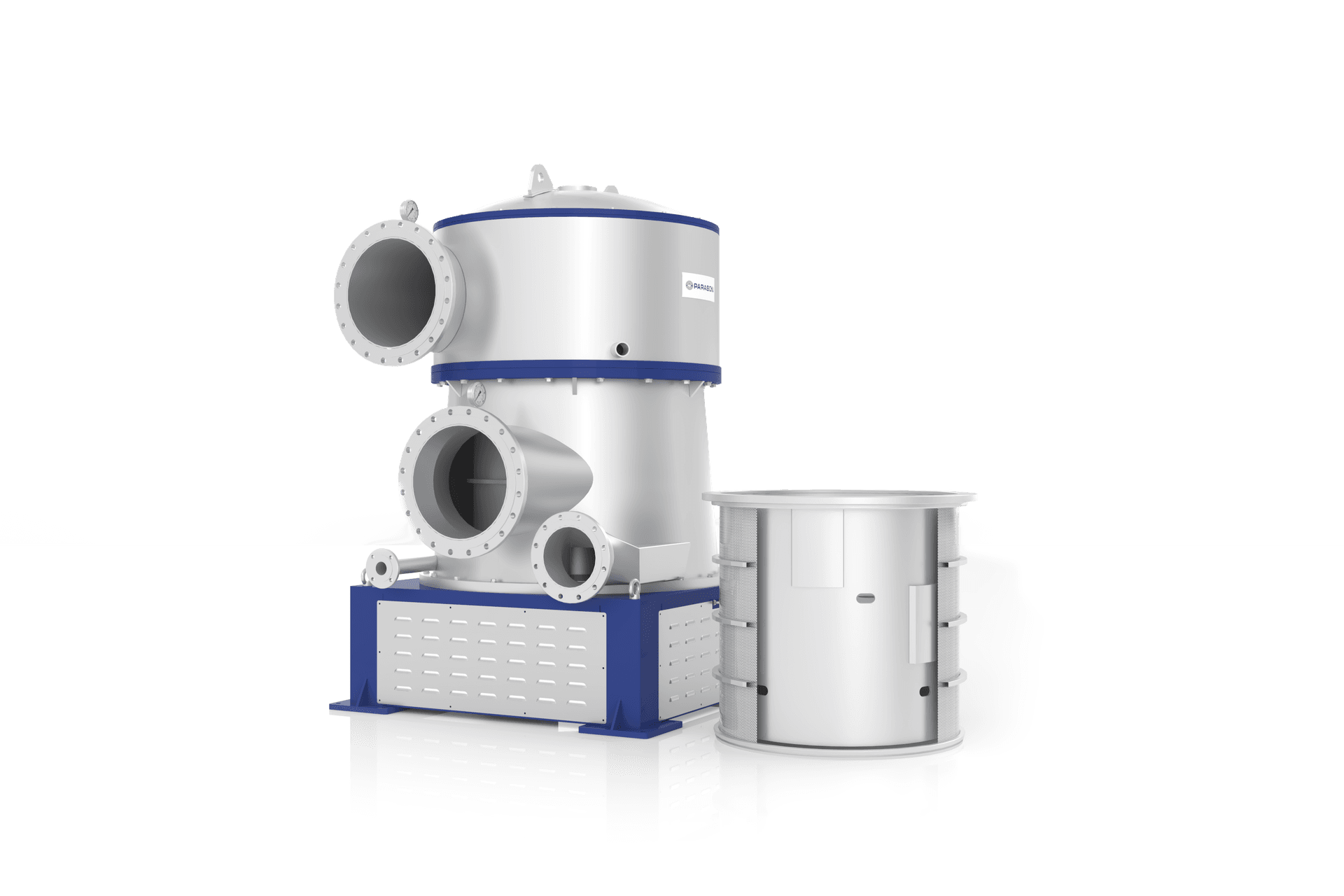
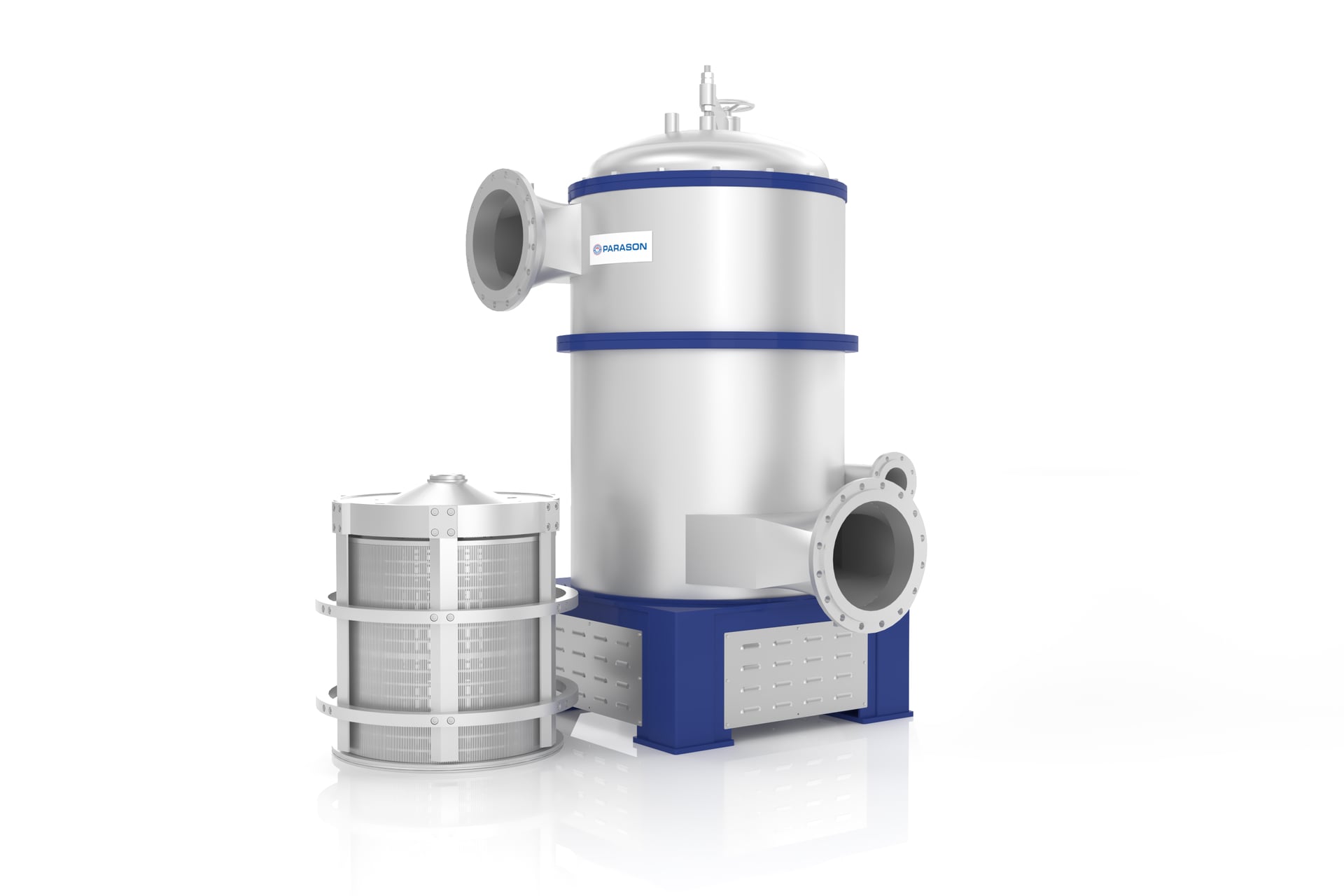
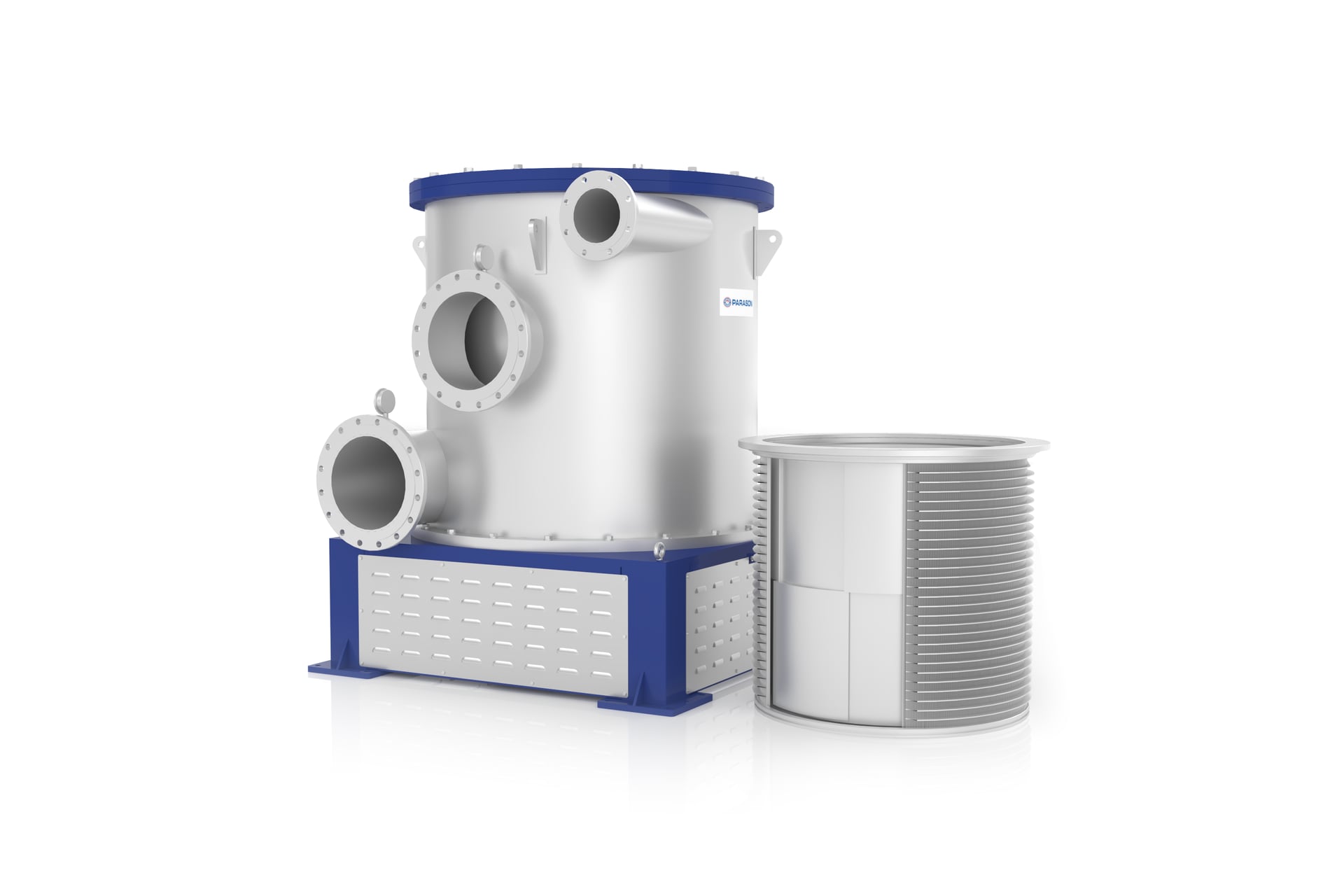
A pressure screen operates under positive pressure with a rotating foil or rotor inside a cylindrical screen basket. The rotor creates pressure pulses that keep the screen basket clean while the pressure differential forces accepted fiber through the slots. Rejected material is discharged separately. Parason's Inflow Pressure Screen (VIS) is designed for approach flow and fine screening applications.
What is the difference between inflow and outflow pressure screens?+
In an inflow screen, stock enters the inside of the screen basket and accepted fiber passes outward through the slots. In an outflow screen, stock enters from outside and passes inward. Inflow screens are more common in modern mills as they offer better screening efficiency, lower energy consumption, and easier maintenance access.
Why is screening important in papermaking?+
Screening removes contaminants that cause paper defects (holes, spots, dark specks), damage machine clothing (wires and felts), and create runnability issues on the paper machine. Proper screening improves paper quality, reduces paper breaks, extends machine clothing life, and ensures consistent sheet formation.
What is a turbo separator used for in paper mills?+
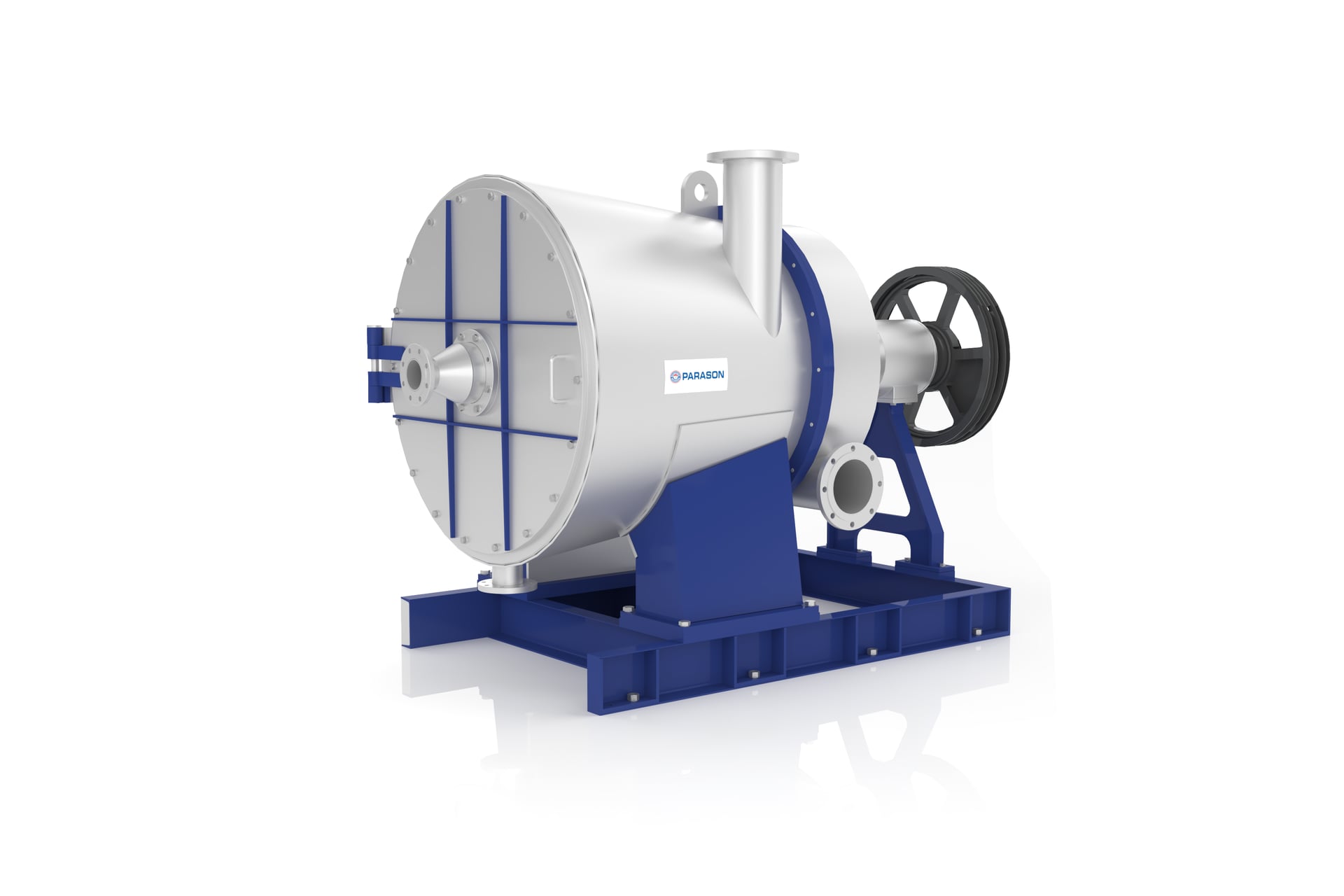
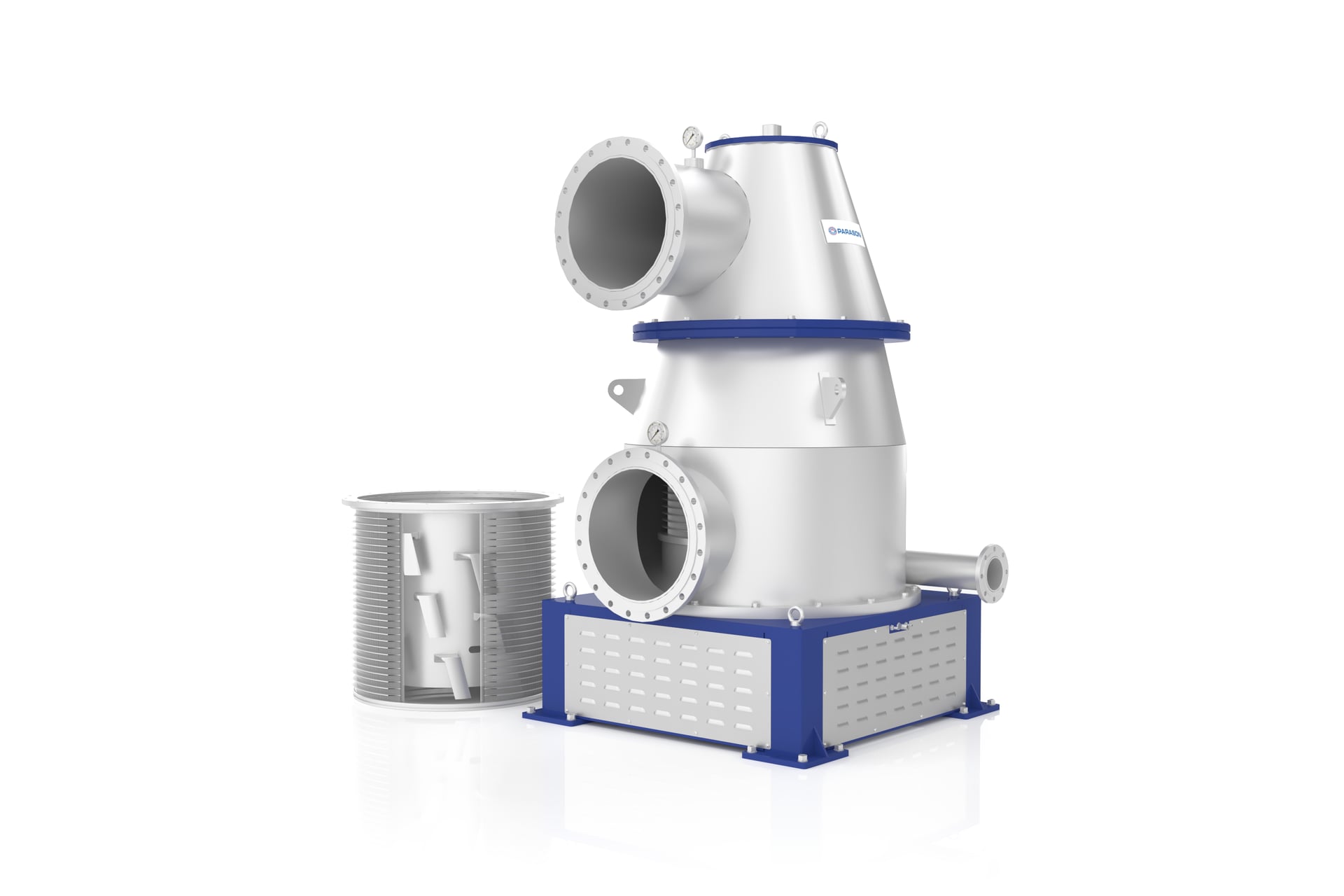
The Turbo Separator (TS) is a heavy-duty screening machine that performs coarse screening for pulp with high trash and flake content from recycled paper sources. It executes three-way separation — removing light rejects upward, heavy rejects downward, and passing clean fiber accepts through.
What is a fractionator and when is it used?+
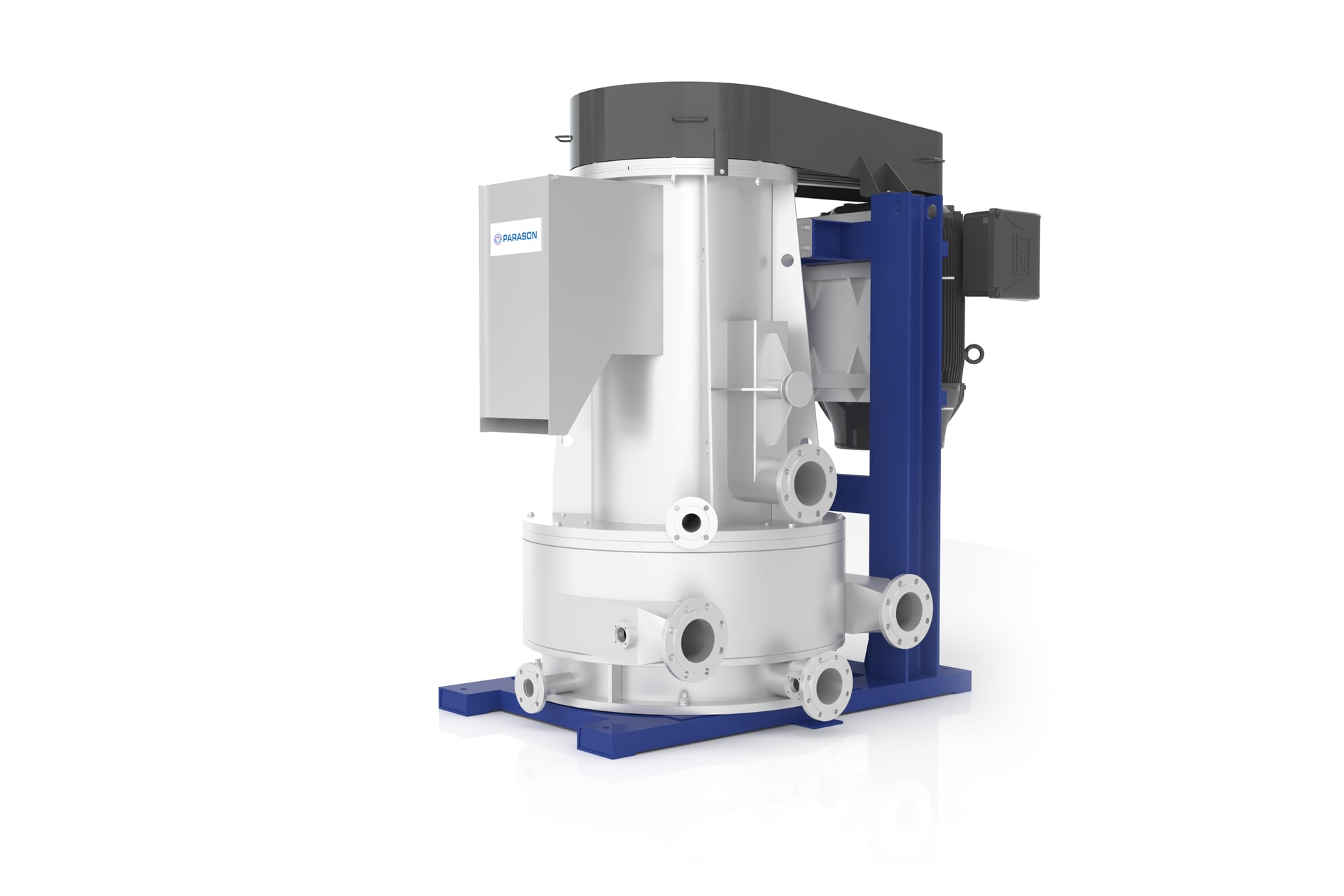
The Fractionator (VSF) separates pulp fibers based on their length using slot type baskets and contoured foils. Long and short fiber fractions are collected separately, allowing paper mills to treat each fraction differently for optimized paper properties.