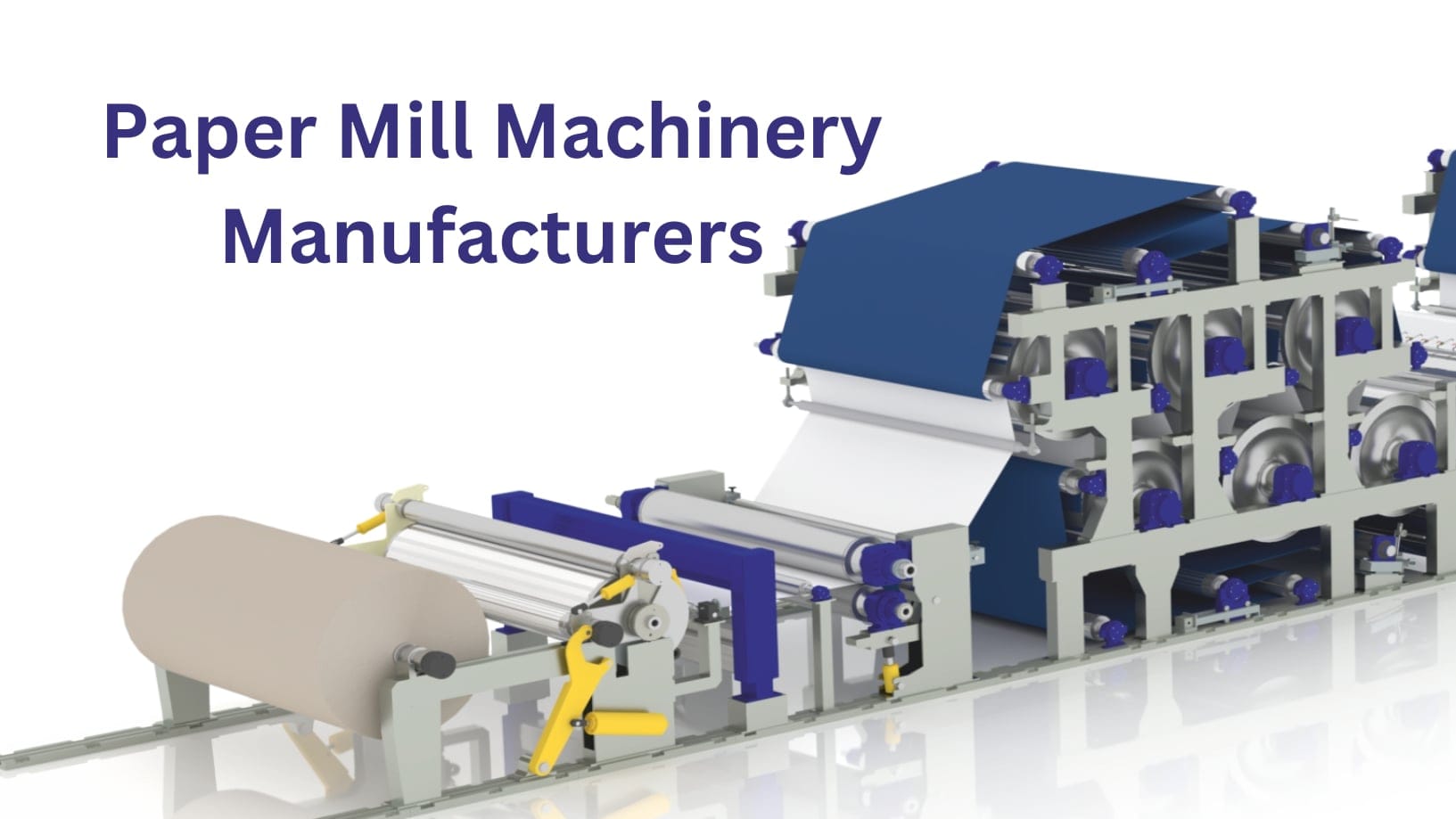
The main challenges faced by paper manufacturers are raw material cost and availability, high energy use, water and effluent compliance, ageing equipment and uptime, margin pressure from global competition, and tightening sustainability rules. These are the recurring pain points in the paper and forest products industry, and each one has a practical solution at the machinery and process level. This guide names the real problems mills face in 2026 and shows how the right stock preparation, screening, refining, effluent and automation choices solve them.
Parason has built paper and pulp machinery and complete turnkey mills for manufacturers in more than 75 countries since 1976, with over 2,000 installations worldwide and units in India and Brazil. The solutions below come from that work on real mill floors, not from theory.
Challenges Faced by Paper Manufacturers at a Glance
The table below maps each challenge to its root cause and the machinery or process solution that addresses it. Almost every solution traces back to the stock preparation line.
| Challenge | Root cause | Practical solution |
|---|---|---|
| Raw material cost & availability | Volatile recovered-paper and pulp prices; variable fibre quality | Flexible fibre line running recycled, agro-residue and wood pulp |
| High energy cost | Over-refining, worn plates, oversized motors | Energy-efficient refining and right-sized screening & pumping |
| Water & effluent compliance | Tightening discharge limits and sourcing rules (EUDR) | On-site effluent treatment, water reuse and Bio-CNG recovery |
| Ageing equipment & uptime | Decades-old lines, manual control, quality drift | Targeted stock-prep upgrades plus automation and IoT |
| Margin pressure & global competition | High cost per tonne versus global producers | Lower cost base: better yield, less energy, less downtime |
| Sustainability & diversification | Carbon and water-footprint scrutiny from buyers and lenders | Recycled & alternative fibre plus resource recovery |
What Are the Main Challenges Faced by Paper Manufacturers?
Paper manufacturers face six recurring challenges: securing affordable fibre, controlling energy cost, meeting water and effluent rules, keeping old machinery running at quality, defending margins against global competition, and proving sustainability. They are connected, because the equipment that lowers energy use often also improves fibre yield and effluent load at the same time. The sections below take each challenge in turn and pair it with the solution.
1. Raw Material Availability, Quality and Cost
Fibre is the single largest cost in most paper mills, and it is the least predictable. Recovered paper prices swing with collection rates and export demand, virgin pulp prices move with global events, and fibre quality varies load to load. A mill built around one narrow furnish is exposed every time that fibre gets scarce or expensive.
The solution: a flexible fibre line. A stock preparation line that can run recycled fibre, agricultural residue and wood pulp lets a mill switch to whatever fibre is available and cheapest. Parason builds agro and wood pulping lines for bagasse, wheat straw and other residues, so mills in fibre-short regions can use local feedstock instead of imported pulp. Efficient pulping and screening also lift usable yield from the same input. For the full recovered-fibre line, see our paper recycling machine guide.
2. High Energy Cost and Efficiency
Pulp and paper is one of the most energy-intensive manufacturing sectors (International Energy Agency), so energy is a large and volatile share of every tonne. Refining and drying are the heaviest users, and worn refiner plates and undersized motors quietly burn more power than they need for the same freeness.
The solution: energy-efficient refining and right-sized equipment. Modern refiner fillings and plates develop fibre with less energy per tonne by matching bar pattern and intensity to the furnish, instead of over-refining. Correctly sized screening and pumping remove the parasitic energy that ageing lines waste. Energy saved per tonne repeats on every tonne, every day.
3. Water Use, Effluent and Environmental Compliance
Water rules are getting stricter everywhere. Regulators are tightening discharge limits, and sourcing rules such as the EU Deforestation Regulation (EUDR) add compliance cost across the supply chain (European Commission). For many mills the risk is not just a fine, it is losing the licence to operate or to export.
The solution: treat and reuse water on site. An effluent treatment plant sized for the mill keeps discharge within limits, and water reuse cuts both fresh-water draw and the volume treated. Parason supplies effluent treatment and Bio-CNG systems that turn part of the effluent load into biogas, so a compliance cost becomes partial energy recovery.
4. Ageing Equipment, Uptime and Quality Control
A lot of the world's paper is still made on lines decades old. Unplanned downtime, inconsistent sheet quality and manual control all eat into output and margin. Holding a tight quality spec while running flat out is hard when equipment and controls are both behind the times.
The solution: targeted upgrades and automation. A mill does not always need a new machine. Upgrading the stock preparation system, screening and controls often recovers more capacity and quality than a full rebuild, at a fraction of the cost. Parason adds automation and IoT so operators run to data, which steadies quality and flags problems before they become breaks.
5. Margin Pressure and Global Competition
Competition is global and intense. By early 2026 industry analysis reported close to a quarter of world pulp capacity operating cash-negative (Fastmarkets), which shows how thin margins have become for high-cost producers. A mill that cannot make a tonne cheaply, at quality, is the one squeezed first.
The solution: lower cost per tonne, not just price. The way out of a price war is a lower cost base: better fibre yield, lower energy per tonne, less downtime and less giveaway. Each challenge above feeds this one. For a new mill, a well-engineered turnkey project builds that efficiency in from day one.
6. Sustainability and Raw-Material Diversification
Buyers, regulators and lenders all now ask about the carbon and water footprint of the paper they handle. Sustainability has moved from a marketing line to a condition of doing business. Mills that treat it as an efficiency programme, rather than a cost, come out ahead.
The solution: recycled and alternative fibre, plus resource recovery. Running recycled fibre and agricultural residue lowers the footprint and diversifies supply at the same time, and recovering energy from effluent cuts both emissions and energy bills. The same equipment choices that solve the cost challenges also answer the sustainability one.
Regional Challenges: India, Africa and Southeast Asia
The core challenges are the same worldwide, from established mills in North America and Europe to fast-growing producers across Asia, Africa and Latin America, but they bite differently by region. Emerging markets in Africa, Southeast Asia and the Middle East are adding capacity and increasingly look for affordable, well-supported turnkey lines rather than second-hand machinery (Fastmarkets). The practical issues there are fibre availability, financing, skills and after-sales support, more than technology itself.
In India, fibre availability, water and energy cost, and environmental compliance are the leading pressures on a fast-growing industry. For the full picture of India's market size, segment growth and capacity expansion, see our guide to the future of the paper industry. In Nigeria and across Africa, and in Southeast Asia, the strongest position is a manufacturer that can supply, install and support a line locally, which is why Parason runs units in India and Brazil and supports mills across more than 75 countries. New entrants usually start with how to build, covered in our how to set up a paper mill plant guide.
How Modern Machinery Solves These Challenges
Every challenge above traces back to the stock preparation line, where fibre cost, energy, effluent load and quality are all decided before the sheet is formed. Get pulping, screening and refining right and the rest of the mill runs cheaper, cleaner and more reliably. That is why an upgrade to the front end usually returns more than spending the same money further down the machine.
"Most of the problems a mill brings to us look like six separate challenges, but they meet in the stock prep line. Fix fibre yield, refining energy and effluent there, and you are solving the cost problem and the sustainability problem with the same equipment. That is the part owners do not expect." — Parason process engineer
For mills that want one accountable partner across the whole line, Parason engineers and supplies stock preparation, refining, screening, effluent treatment and complete turnkey paper mills, and supports them long after start-up. Contact Parason to size a line for your furnish and capacity.
Sources
- Energy intensity of the pulp and paper sector: International Energy Agency (IEA).
- EU Deforestation Regulation (EUDR) sourcing and compliance requirements: European Commission.
- Share of pulp capacity operating cash-negative, early 2026: Fastmarkets pulp market analysis.
- Emerging-market demand for affordable turnkey lines: Fastmarkets industry outlook.
- Parason machine and turnkey capability: Parason product catalogues and project record.