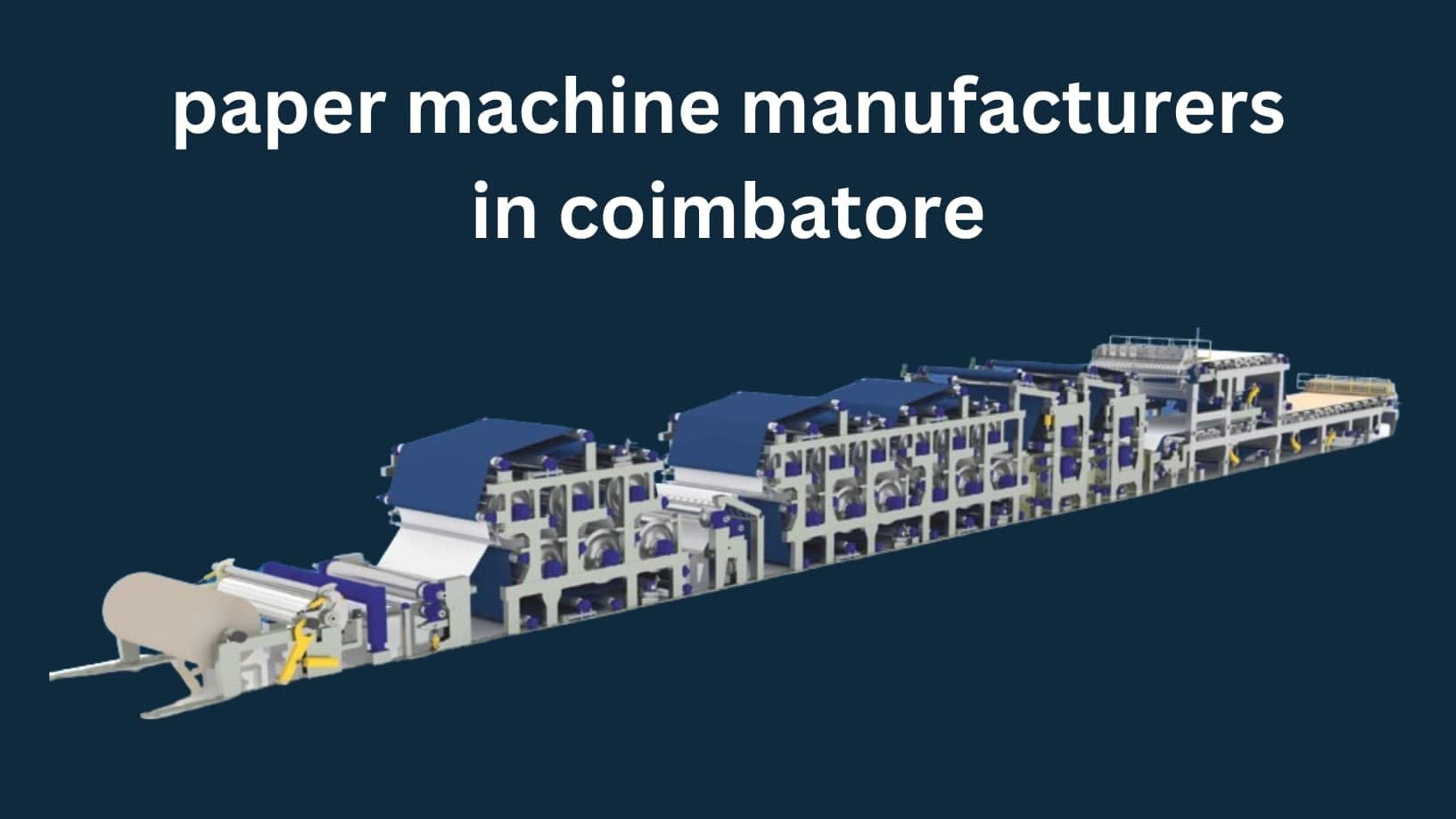
A paper board making machine is the multi-ply forming line that turns pulp into rigid paperboard, the stiff, layered material behind most cartons and packaging. It works differently from an ordinary paper machine in one key respect: it forms several plies and bonds them into a single sheet, so one line can produce duplex board, folding box board, kraftliner and other grades by changing the pulp in each layer.
Parason has built pulp and paper machinery since 1976, with more than 2,000 installations across 75 countries. We design, manufacture and supply complete paper board lines, from stock preparation through to the reel, in capacities from 200 to 1000 TPD. The sections below explain how the line works, the specifications worth checking before you buy, and the grades a single machine can run.
What a Parason paper board line includes
Buy a board line from Parason and you get the full production train from one supplier, not a single machine you then have to integrate with everything around it. One partner stays responsible from the first engineering drawing to commissioning and after-sales support. A complete line covers stock preparation, the multi-ply forming section, pressing and drying, surface treatment, and finishing on the reel, tied together by the automation that keeps the board within spec.
Because the plies are formed separately, the same line can move between board grades by adjusting the pulp in each layer. For a mill that wants to serve more than one packaging market, that flexibility is the main reason to invest in a proper multi-ply line rather than a single-ply machine.
Planning a duplex line specifically? See our guide to duplex board mill machinery.
Equipment in a Parason paper board line
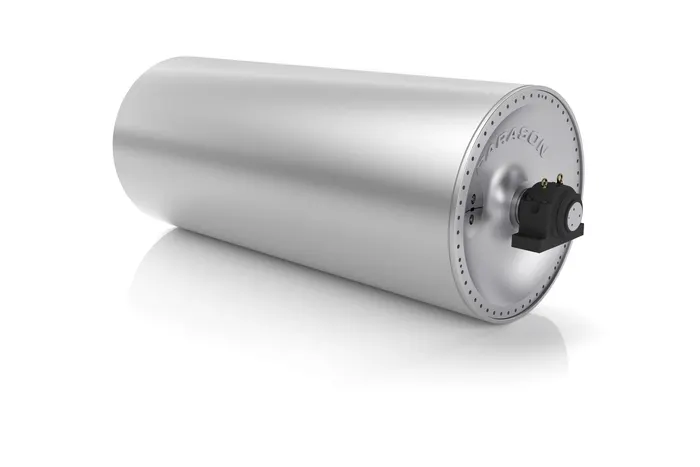
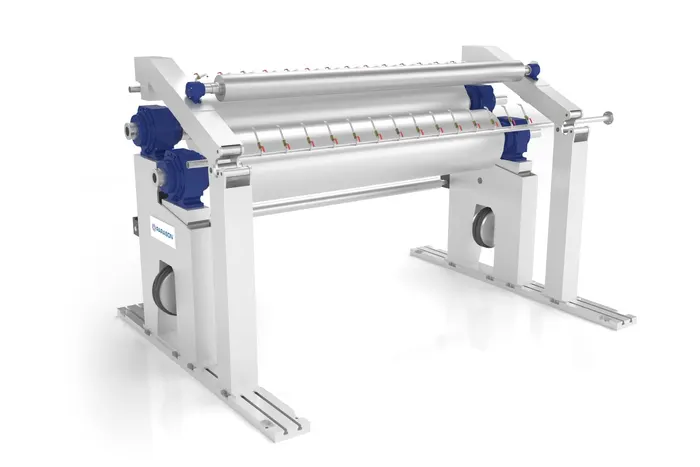
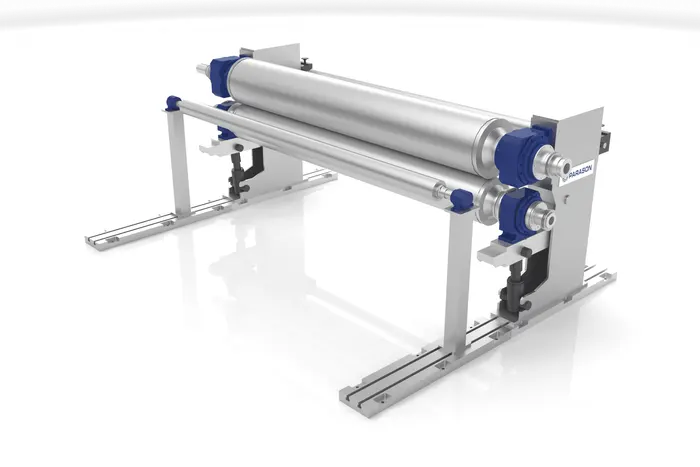
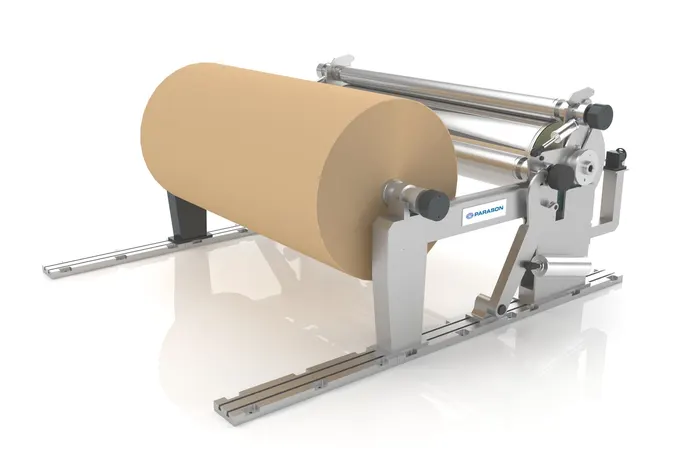
A complete paper board line is built from eight main equipment sections, each one shaping the sheet before handing it to the next:
How multi-ply board is formed
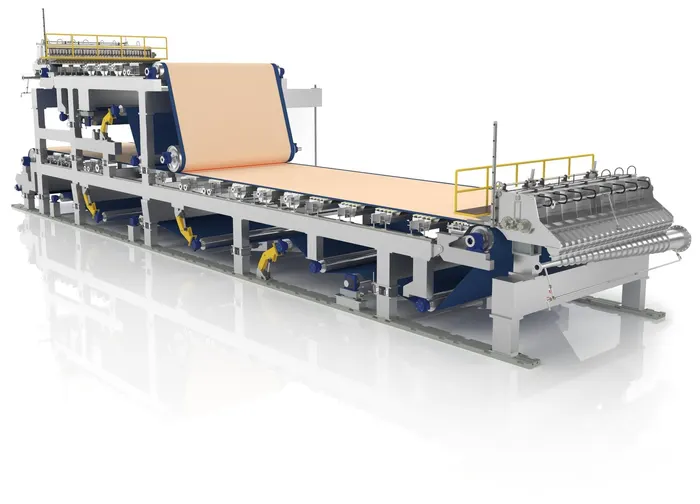
The part that sets a board machine apart is the forming section, where several layers are built up and joined. There are three common ways to do it, and a line is usually configured around one of them:
- Multiple Fourdriniers. Each ply is formed on its own flat wire, then the wet layers are couched together into a single web. This setup gives strong, even formation and handles a wide basis weight range, which is why it is common for higher-capacity board.
- Top-wire former on the heavy ply. Adding a second wire over the main table drains the thick base ply from both sides. That improves formation and lets the machine run faster without losing sheet quality.
- Cylinder mould (multi-vat) forming. Rotating mesh cylinders sit in vats of stock and pick up each ply in turn. It is a proven route for multi-ply board and remains in use where the grade and scale suit it.
In every case the plies are joined while still wet so the fibres bond into one sheet. Getting this stage right is what gives the finished board its stiffness and a clean top layer to print on.
The paperboard manufacturing line, section by section
A complete board line runs as a sequence of sections, each handing the web to the next:
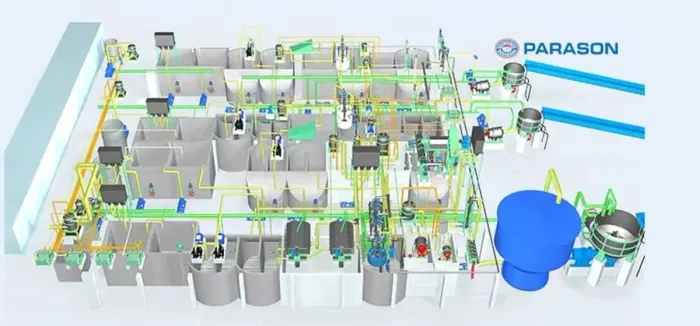
- Stock preparation. Each ply needs its own furnish at the right freeness, so before forming, the line runs the recycled or virgin stock through pulp preparation systems, stock cleaning equipment, pulp screening machines and refining equipment. This stage decides much of the final strength and cleanliness of the board. See stock preparation.
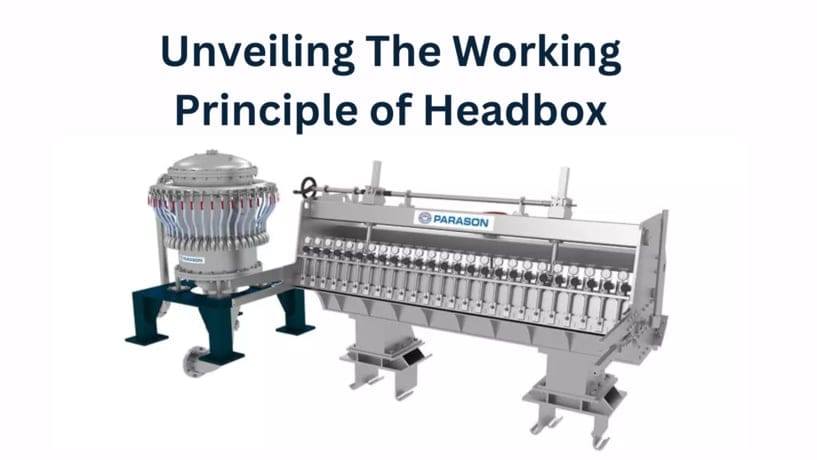
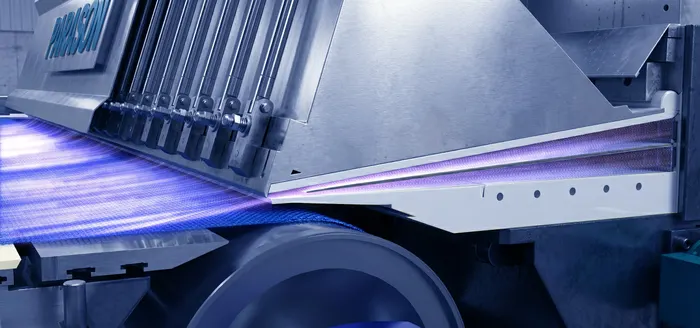
- Headbox and forming. A paper machine headbox feeds stock evenly across the width for each ply, after which the formers build and couch the layers into a single web.
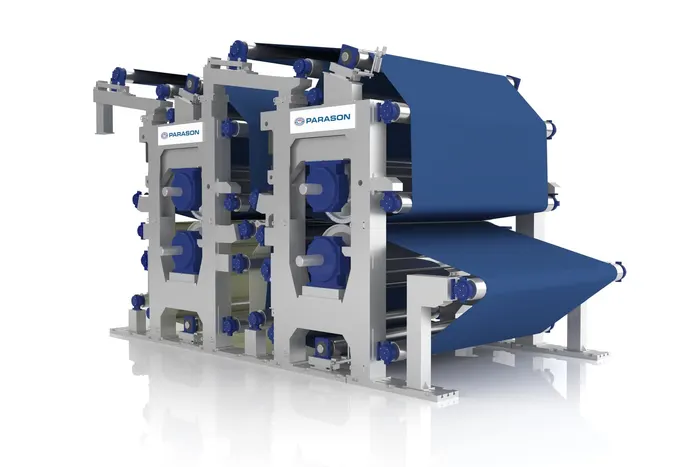
- Press section. The wet web passes through presses that squeeze out water and bond the plies. Modern lines often use a shoe press here to remove more water and lift strength before drying.
- Dryer section. Steam-heated cylinders take the board down to its target moisture. Board carries more water than light paper, so the dryer section is sized accordingly.
- Size press and coating. Surface size or a coating is applied to give the white top its print surface. The choice of size press, blade or curtain coating depends on the grade and finish you are selling.
- Calender. The board passes through calender rolls that set its smoothness and caliper, the controlled thickness buyers specify.
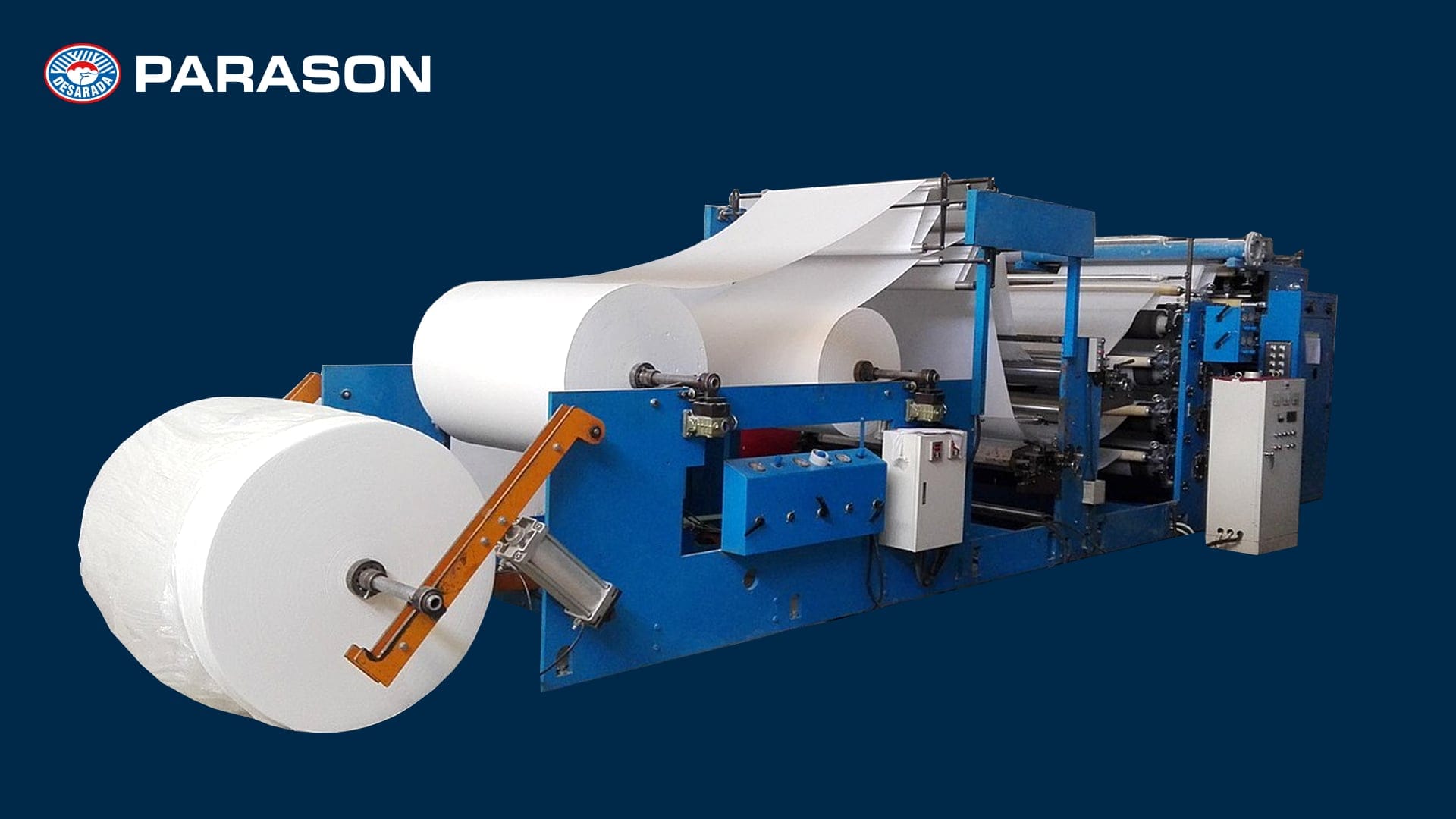
- Reel and rewinder. The finished board is wound on the reel, then slit and rewound for the converter. See the complete paper machine equipment range.
A quality control system (QCS) runs across the machine, measuring basis weight, moisture and caliper so the board stays inside tolerance at speed.
Key specifications to check before you buy
When you compare board lines, these are the figures that decide whether a machine fits your plan:
| Specification | Why it matters |
|---|---|
| Number of plies | Sets which grades and weights you can make |
| Basis weight range (gsm) | Packaging board typically runs from roughly 150 up to 450 gsm and higher; confirm the range you need |
| Capacity (TPD) | Has to match your market and furnish supply |
| Design and operating speed | Affects output and the forming setup required |
| Trim width | Determines sheet sizes and roll widths |
| Furnish | Recycled, virgin or mixed changes the stock prep design |
Parason builds each line to the grade, trim width, basis-weight range and speed your project requires, rather than to a fixed catalog spec. Tell us your target grade and capacity and our team will confirm the exact figures for your line.
Production capacity
Board lines are sized to the mill they serve. As a guide:
| Capacity | Best fit |
|---|---|
| 200 TPD | Regional or first board mill |
| 300 to 500 TPD | Established packaging mill |
| 750 to 1000 TPD | Large or export-focused mill |
A 200 TPD setup suits a regional or first board mill, mid-range lines of 300 to 500 TPD fit established packaging mills, and 750 to 1000 TPD lines serve large or export-focused operations.
Board grades you can produce
A single multi-ply line can make the main packaging grades by changing the furnish in each ply:
| Grade | How it is built | Typical weight & use |
|---|---|---|
| Duplex board | Coated white top over a grey recycled back (C1S) | Mid-weight; toothpaste, pharma and cereal cartons |
| Folding box board (FBB) | Mechanical-pulp core between chemical-pulp layers | Light to mid; cosmetics, food and pharma cartons |
| Kraftliner / CUK | Mostly virgin kraft fibre, very strong | Heavier; corrugated liners and heavy packaging |
| Grey board / chipboard | Dense recycled core, uncoated | Heavy; rigid and luxury gift boxes |
| SBS | 100% bleached virgin pulp, white both sides | Premium graphic and food packaging |
Duplex board is the workhorse of carton packaging because the coated white top prints well while the grey recycled back keeps cost down. Folding box board trades some of that economy for extra stiffness, kraftliner board machinery is chosen where strength leads, and grey board gives the rigid core used in premium boxes. End uses run across food and beverage, pharmaceuticals, personal care and the folding cartons behind e-commerce.
How paper board is manufactured
Paper board is made in a clear sequence of steps, from preparing the furnish to winding the finished board:
- Stock preparation. Each ply's furnish is pulped, cleaned, screened and refined to the right freeness.
- Forming. A headbox lays each ply onto its wire and the formers couch the wet plies into a single web.
- Pressing. The press section squeezes out water and bonds the plies, often with a shoe press.
- Drying. Steam-heated cylinders take the board down to its target moisture.
- Sizing and coating. A size press or coater applies surface size or a pigment coating to give the white top its print surface.
- Calendering. Calender rolls set the board's smoothness and caliper.
- Reeling and finishing. The board is wound on the reel, then slit and rewound; converters then finish it by printing, laminating or embossing.
A recycled core keeps the raw material cost low while the coated top still gives a clean surface for retail print, which is the economic logic behind most packaging board.
Raw materials
A paper board line draws on two material streams: fibre and surface materials.
Fibre. Most packaging board runs on recycled and waste-paper furnish (OCC and mixed waste) in the core, with a brighter ply on top. Virgin kraft is added where the grade needs strength, as in liners: long softwood fibre lifts strength while shorter hardwood fibre helps a smooth, printable surface. The split is well documented: around 54% of cartonboard is produced from recovered or recycled fibre, with the rest from virgin pulp (Pro Carton, CEPI).
Surface materials. The white top is built with mineral pigments, mainly kaolin (china clay) and calcium carbonate, bound by starch or a latex binder and applied at the size press or coater. Surface starch sizing also lifts stiffness and printability. A recycled line puts more load on cleaning and screening, so the stock preparation has to be specified for the furnish you actually plan to run.
Parason board-mill equipment in action
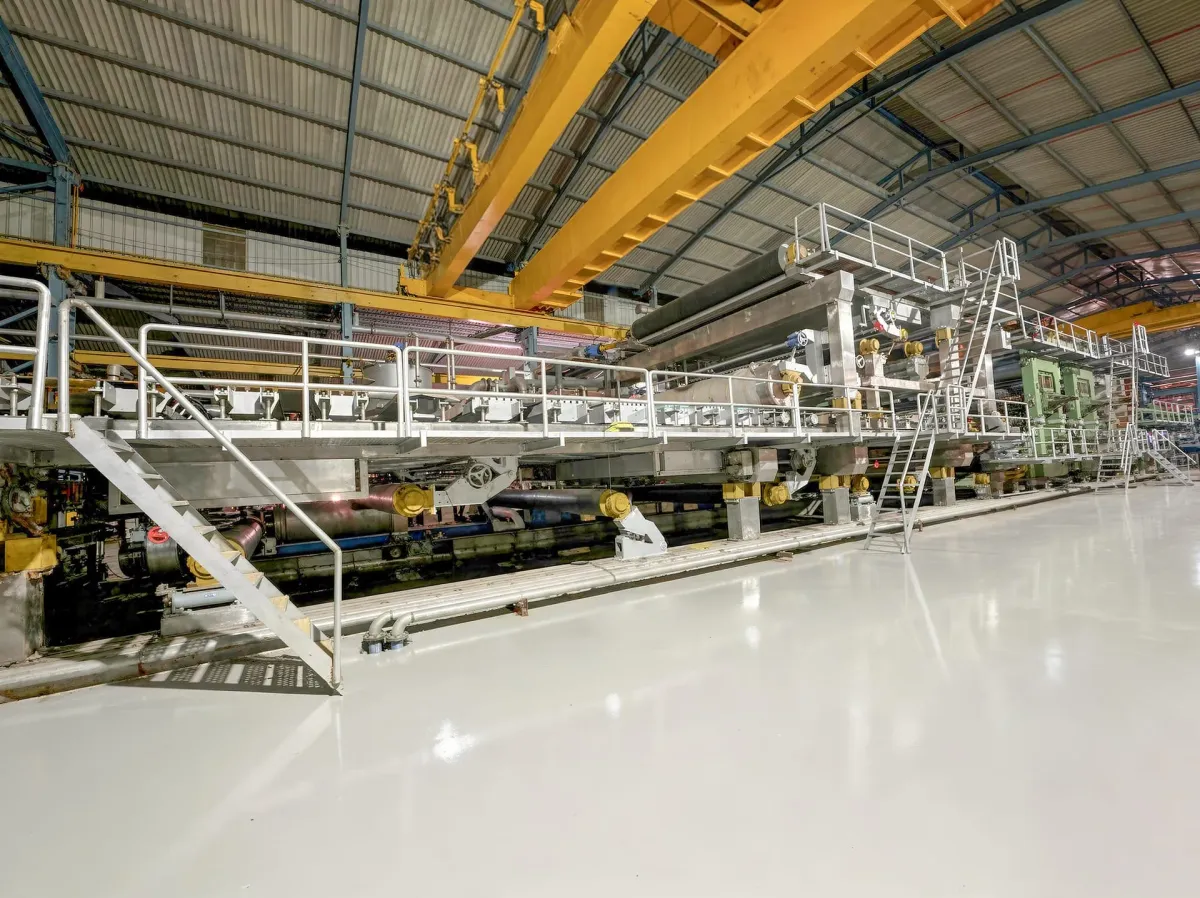
Live installations at working paper board mills: the stock preparation and recycled-fibre equipment that feeds a board line.
A growing market for paperboard
Demand for paperboard packaging keeps climbing as brands move away from single-use plastic and as e-commerce drives folding-carton volumes. The global paperboard packaging market sits at roughly USD 238 billion in 2026 and is growing at about 7.5% a year (The Business Research Company, 2026). For a mill, that trend is the case for investing in a board line that can serve several grades and markets from one machine.
Where Parason supplies paper board making machines
Parason has supplied paper board and pulp machinery to more than 2,000 installations in over 75 countries. Customers span six regions:
- India: the home market, with the largest installed base.
- South and South-East Asia: Bangladesh, Nepal, Sri Lanka, Indonesia, Vietnam, Thailand, the Philippines and Malaysia.
- Middle East: Saudi Arabia, the UAE, Egypt, Iran and Turkey.
- Africa: Nigeria, Kenya, Ethiopia, Tanzania and South Africa.
- Latin America: Brazil, Mexico, Colombia, Peru and Chile.
- Europe: established packaging and board mills across the continent.
Wherever your mill is, Parason delivers and commissions the line on a turnkey basis. Contact Parason to discuss supply to your country.
Why mills choose Parason as their paper board machine supplier
- A complete line from one supplier, stock preparation to reel, with the automation that ties it together
- A record going back to 1976, with over 2,000 installations in 75 countries and customers across India, Africa, South-East Asia, the Middle East and Latin America
- Turnkey delivery covering design, installation, commissioning and spares
- Lines built to the grade and capacity you specify, not a fixed package
Tell us the grade and capacity you are planning, and we will put together a line proposal. Contact Parason.