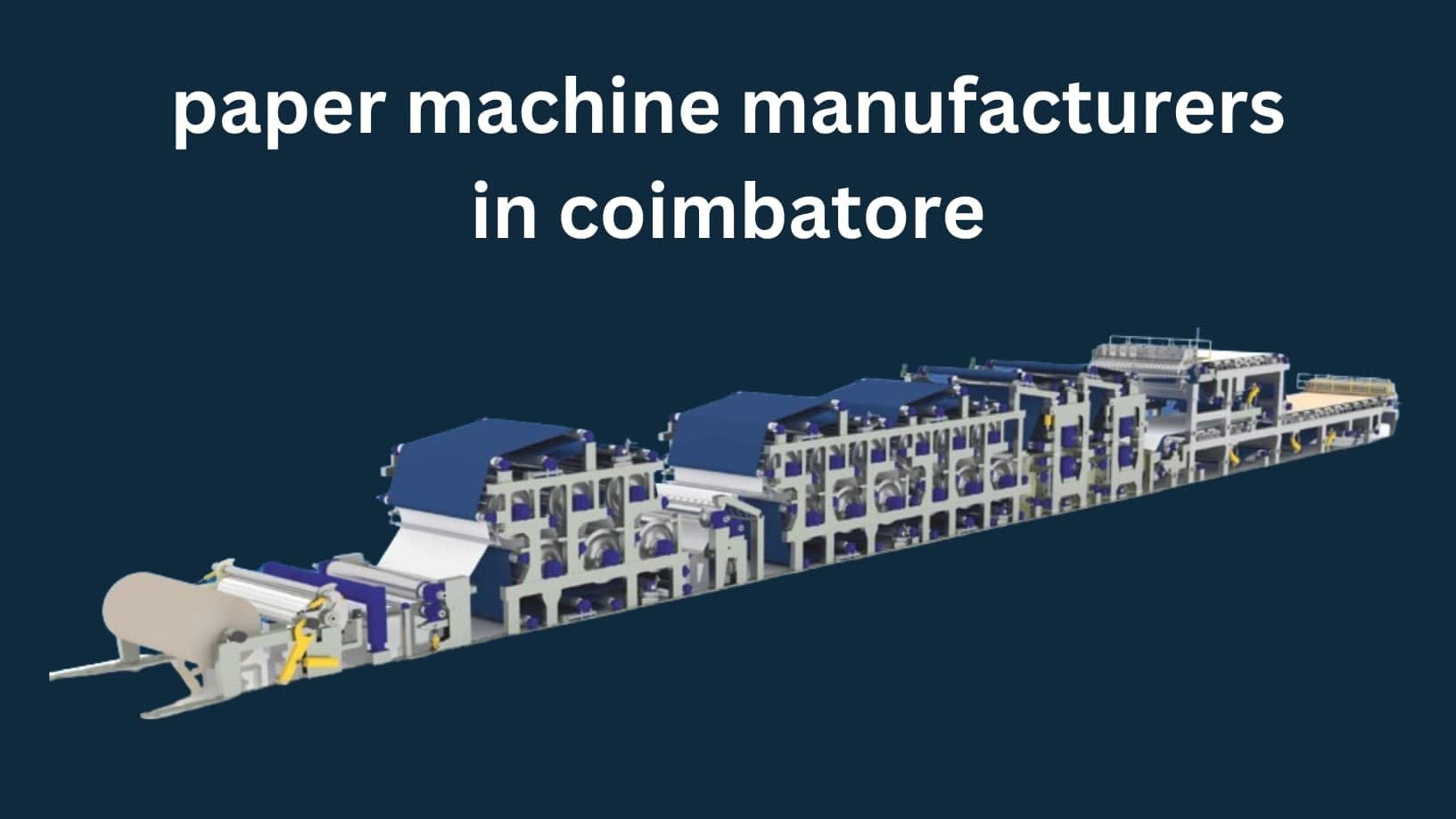
If you have spent any time around a paper mill, you know that the paper machine is the heart of the operation. Everything before it — stock preparation, refining, cleaning — exists to feed it. Everything after it — converting, packaging, shipping — depends on what comes off the reel.
Understanding how a paper machine works is the first step to making the right investment. The basic principle has not changed in over 200 years: form a wet sheet of fiber on a moving wire mesh, squeeze the water out mechanically, dry it with steam, and wind it onto a reel.
Choosing the right paper machine technology types for your mill depends on three factors: the paper grade you plan to manufacture, your daily production capacity, and the quality standards your market demands. This guide breaks down the major paper machine technologies, explains how each section works, and helps you understand what to look for when evaluating paper manufacturing equipment.
Types of Paper Machine Technology
When paper mill professionals talk about “machine type,” they are usually referring to the forming section — the part of the machine where dilute fiber slurry becomes a recognizable wet sheet. The forming technology you choose locks in several things: which paper grades you can make, how fast you can run, and the quality ceiling of your product.
Fourdrinier Paper Machine
Ask any paper technologist and they will tell you — the Fourdrinier is still the workhorse of the industry. It is the most widely used paper machine technology type worldwide. Stock from the headbox flows onto a single continuous wire mesh, where water drains progressively through gravity, table rolls, hydrofoil elements, and suction boxes.
Fourdrinier machines handle a wide range of paper grades — from lightweight writing paper to heavy kraft liner. They are versatile, well-understood, and available across a broad capacity range. Most paper mills producing kraft paper, writing paper, newsprint, or packaging board use some variation of the Fourdrinier design. For a detailed breakdown of kraft paper machine specifications and equipment, see our dedicated guide.
Twin-Wire Former
In a twin-wire former, the stock is deposited between two converging wires instead of on a single flat wire. Water drains from both sides of the sheet simultaneously, which gives a more uniform structure through the thickness of the paper.
Twin-wire forming is preferred for grades where two-sidedness is a problem — where the top and bottom surfaces of the paper need to look and feel similar. It is also used at higher speeds because the enclosed forming zone controls the stock jet better than an open Fourdrinier table.
Cylinder Mould Machine
Cylinder mould machines use rotating screen-covered cylinders that dip into a vat of diluted stock. Fiber collects on the cylinder surface, and each cylinder adds one layer. This makes cylinder mould machines ideal for multi-layer paperboard — duplex board, triplex board, and specialty grades like blotting paper.
These machines run at lower speeds (typically 50 to200 MPM) than Fourdrinier or twin-wire formers, but they produce board with excellent ply bonding and are simpler to operate for multi-layer products.
Multi-Wire Fourdrinier
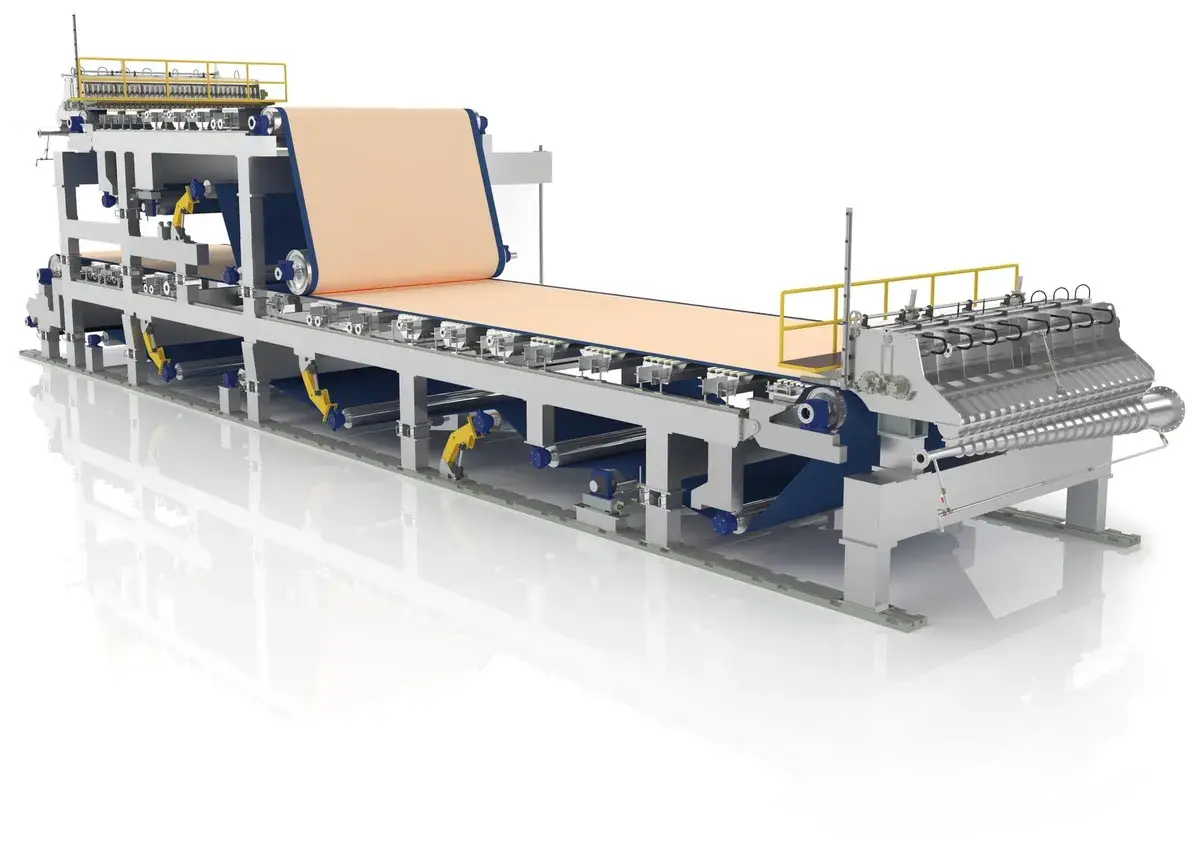
For heavy multi-layer board production, machines use multiple Fourdrinier wire sections — each section forming one layer, which are then combined wet-on-wet before the press section. Parason builds paper machines with single, double, triple, and four-wire configurations depending on the end product.
Paper Machine Technology Types: Comparison Table
| Parameter | Fourdrinier | Twin-Wire Former | Cylinder Mould | Multi-Wire |
|---|---|---|---|---|
| Forming method | Single wire, gravity + vacuum drainage | Two converging wires, bilateral drainage | Rotating cylinders in stock vat | Multiple Fourdrinier wires, wet-on-wet |
| Paper grades | Kraft, writing, newsprint, packaging | High-quality printing, fine paper, tissue | Duplex board, triplex board, blotting | Heavy kraft, multi-layer board, art card, FBB |
| GSM range | 40 to300+ GSM | 40 to200 GSM | 200 to600+ GSM (multi-layer) | 150 to500+ GSM |
| Speed range | Up to 1,200 MPM | Up to 1,200 MPM (paper); 1,500 MPM (tissue) | 50 to200 MPM | Varies by configuration |
| Sheet uniformity | Good (single-sided drainage) | Excellent (two-sided drainage) | Good per layer | Very good (controlled layer bonding) |
| Best for | Most general grades — first mill choice | High-speed, high-quality grades | Multi-layer board grades | Heavy board with specific layer properties |
Paper Machine Sections: How Each Part Works
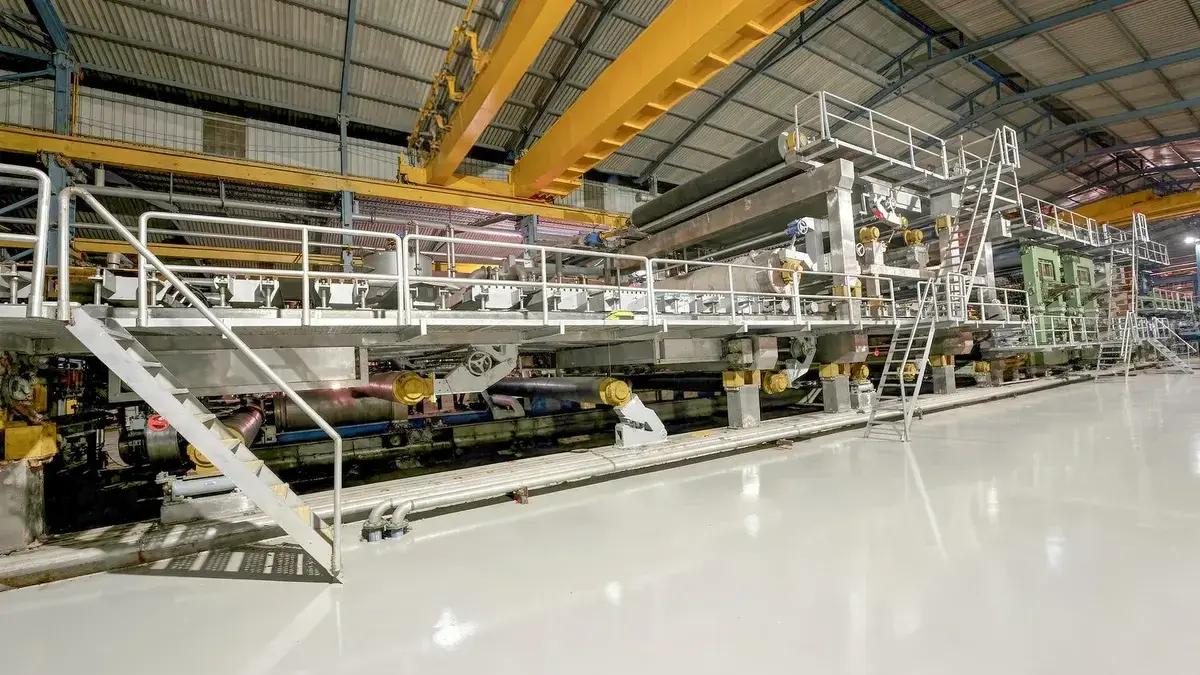
Every paper machine — regardless of its forming technology — consists of a series of sections. Each section performs a specific job in transforming diluted stock into a finished reel of paper. Knowing how a paper machine works section by section is essential whether you are setting up a new mill or upgrading an existing line.
1. Headbox
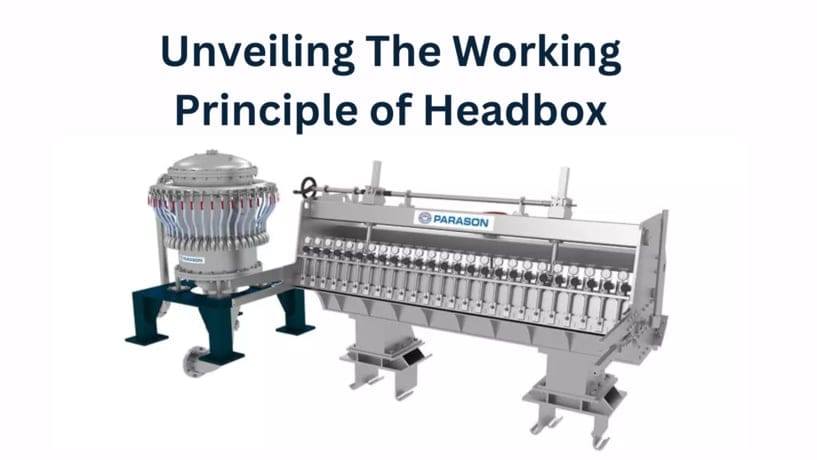
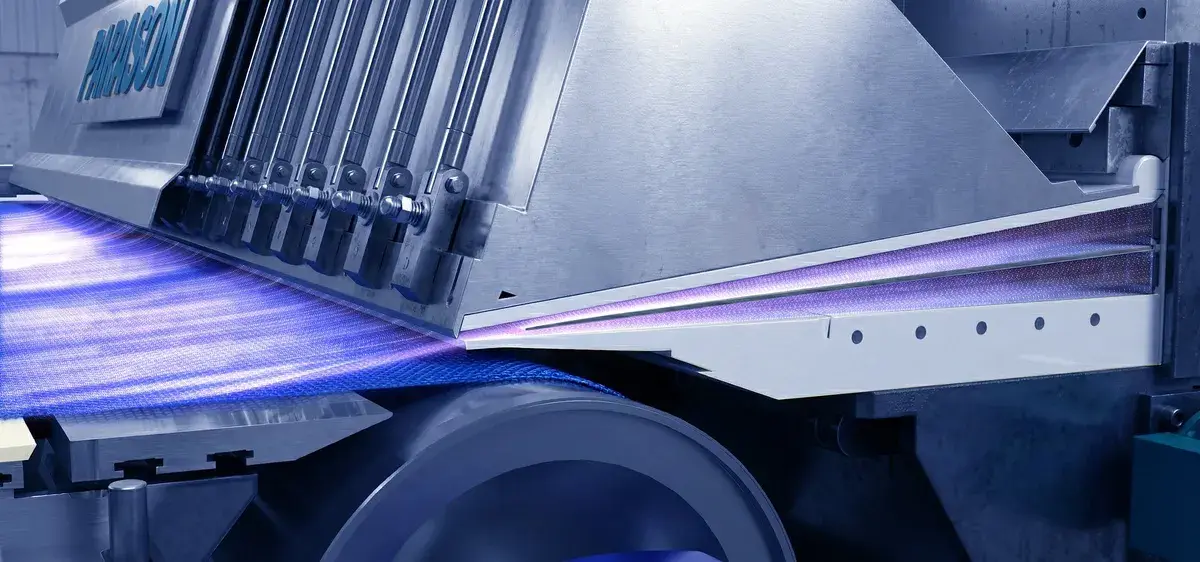
In our experience with over 2,000 installations, the headbox is where most quality problems either start or get solved. It receives diluted stock from the approach flow system and must distribute it with perfect uniformity across the full width of the machine. Even a small variation in the headbox lip opening shows up as a basis weight streak in your finished paper.
There are two main types: the hydraulic headbox (uses a turbulence generator and pulsation dampening tank for consistent flow) and the pressurized headbox (uses air cushion pressure for high-speed operation). Parason offers both with automatic dilution control for CD basis weight adjustment and integration with DCS and QCS systems.
2. Wire Section (Forming Section)
The wire section is where the paper sheet is formed. Stock from the headbox lands on a moving wire mesh, and water drains through the mesh leaving a wet fiber mat. The drainage is controlled progressively — forming boards first, then hydrofoils, then suction boxes — each stage removing more water without disturbing the fiber structure.
Parason’s Fourdrinier wire section supports deckle widths up to 10,000 mm and operating speeds up to 1,200 MPM. Wire configuration options include single wire, double wire, triple wire, and four-wire setups depending on the paper grade and layers required.
3. Press Section
Here is a fact that every mill manager knows: for every 1% increase in post-press dryness, dryer steam consumption drops by approximately 4%. That makes the press section the most cost-effective dewatering stage in the entire machine. It squeezes water from the sheet mechanically using felt-covered rolls under high pressure.
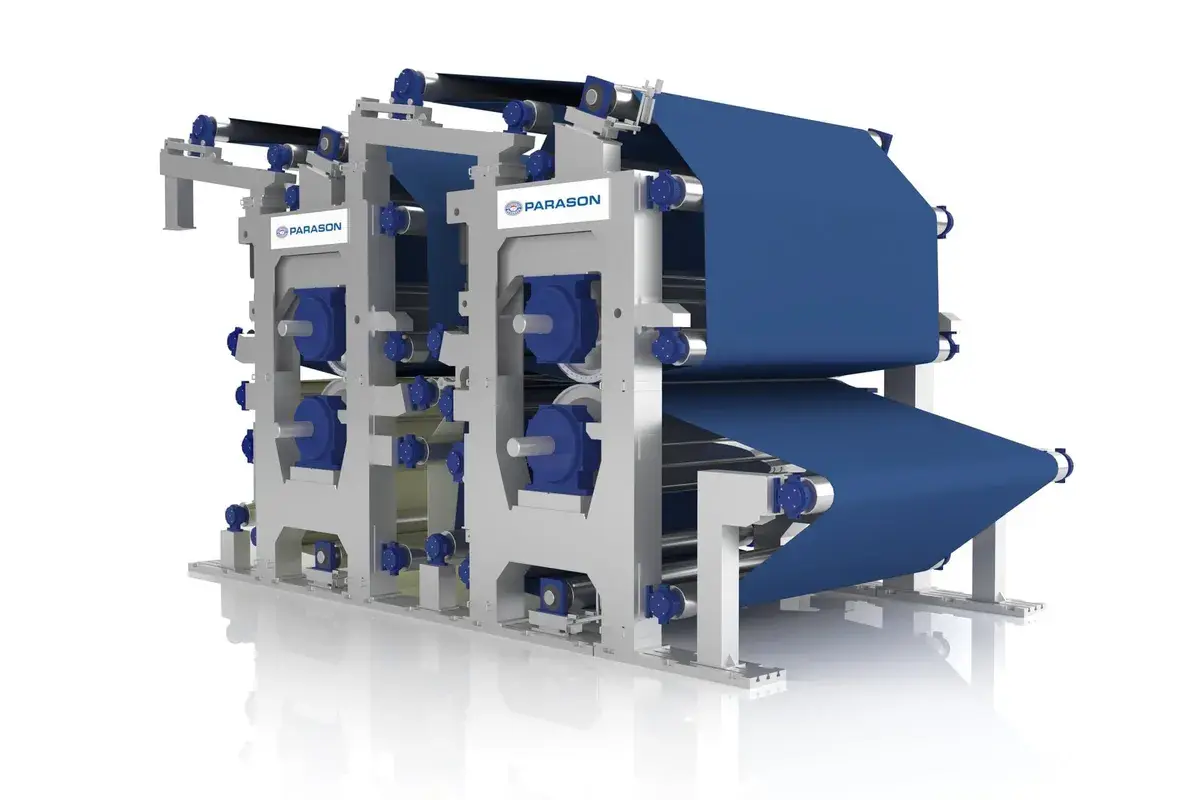
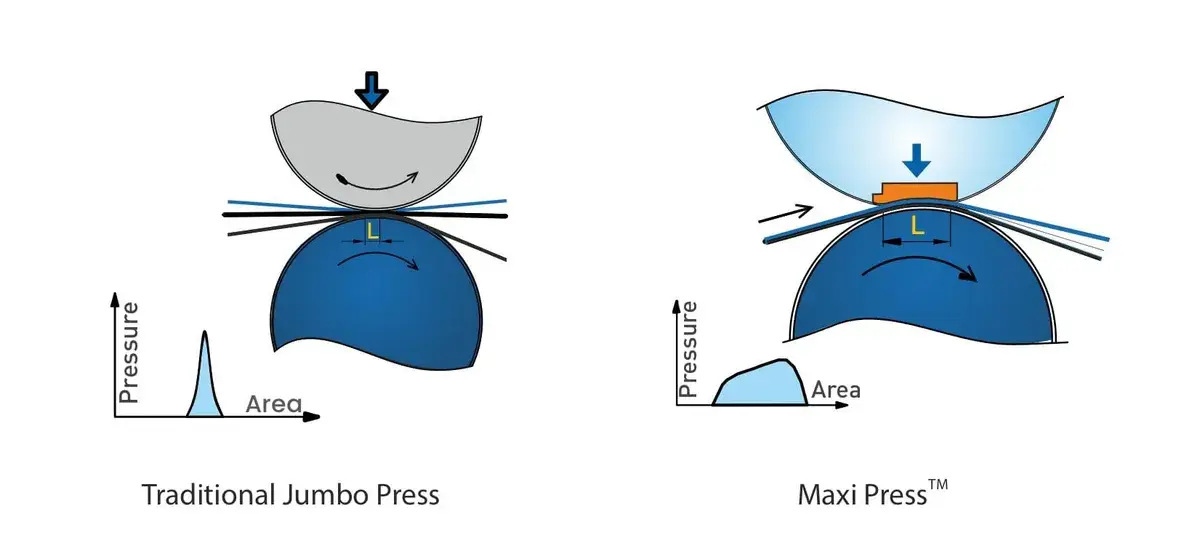
Press configurations include bi-nip press (for writing and printing grades above 400 MPM), tri-nip press (maximum dewatering for high-speed machines), and the Parason Maxi Press™ shoe press — which extends the pressing nip for 15 to20% less steam consumption, increases dryness from 48% to 54%, and delivers 20% energy savings compared to conventional presses.
4. Dryer Section
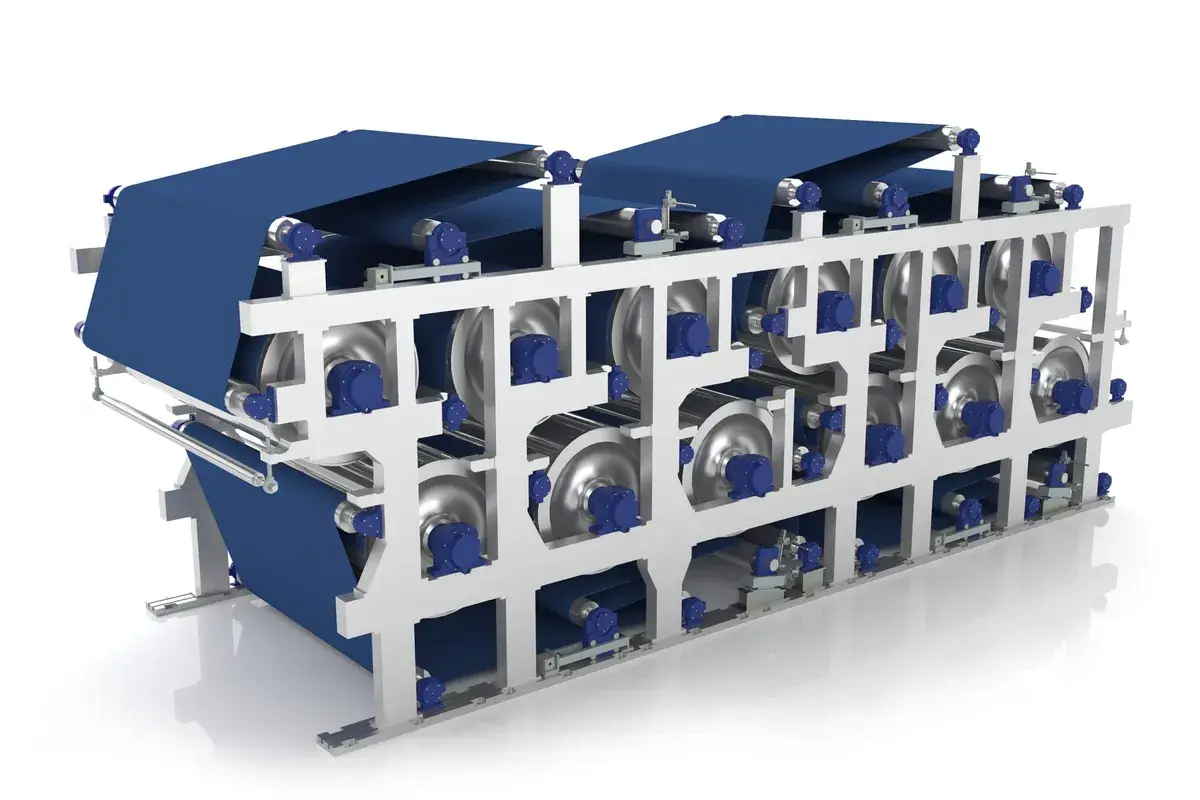
The dryer section is the largest and most energy-consuming part of any paper machine — it typically accounts for the majority of the total energy cost in papermaking. Steam-heated cylinders evaporate the remaining water from the sheet.
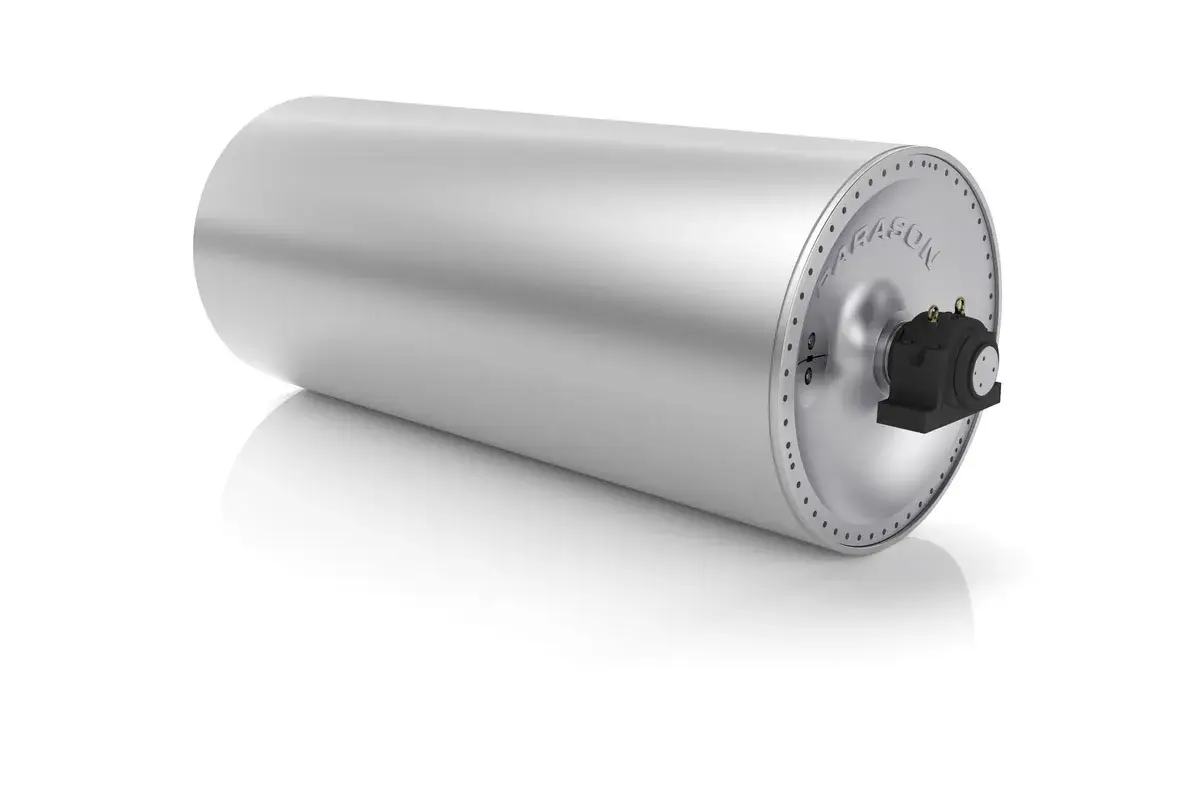
The paper wraps around a series of rotating cylinders — the pre-dryer section first (L-shaped and Y-shaped frames, MS/CI or steel dryers), then a size press or film press for surface treatment, followed by the post-dryer section (chrome-plated for a smooth surface finish).
Cast iron dryers handle paper widths up to 7,000 mm with diameters of 1,500 to1,800 mm. Steel dryers offer reduced shell thickness for better heat transfer and faster drying.
5. Size Press / Film Press
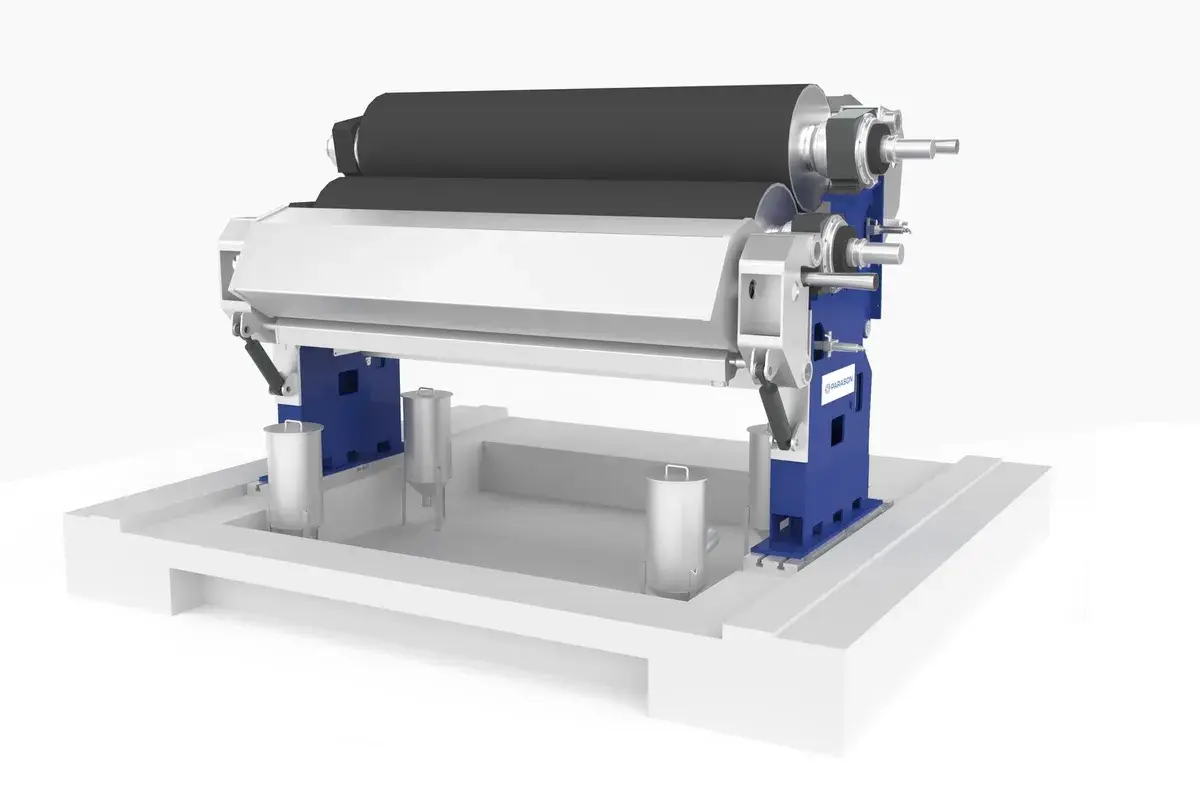
The size press applies a surface coating — typically starch — to improve the paper’s printability, surface strength, and resistance to moisture. A film press provides more uniform coating application at higher speeds with lower chemical consumption.
6. Calender
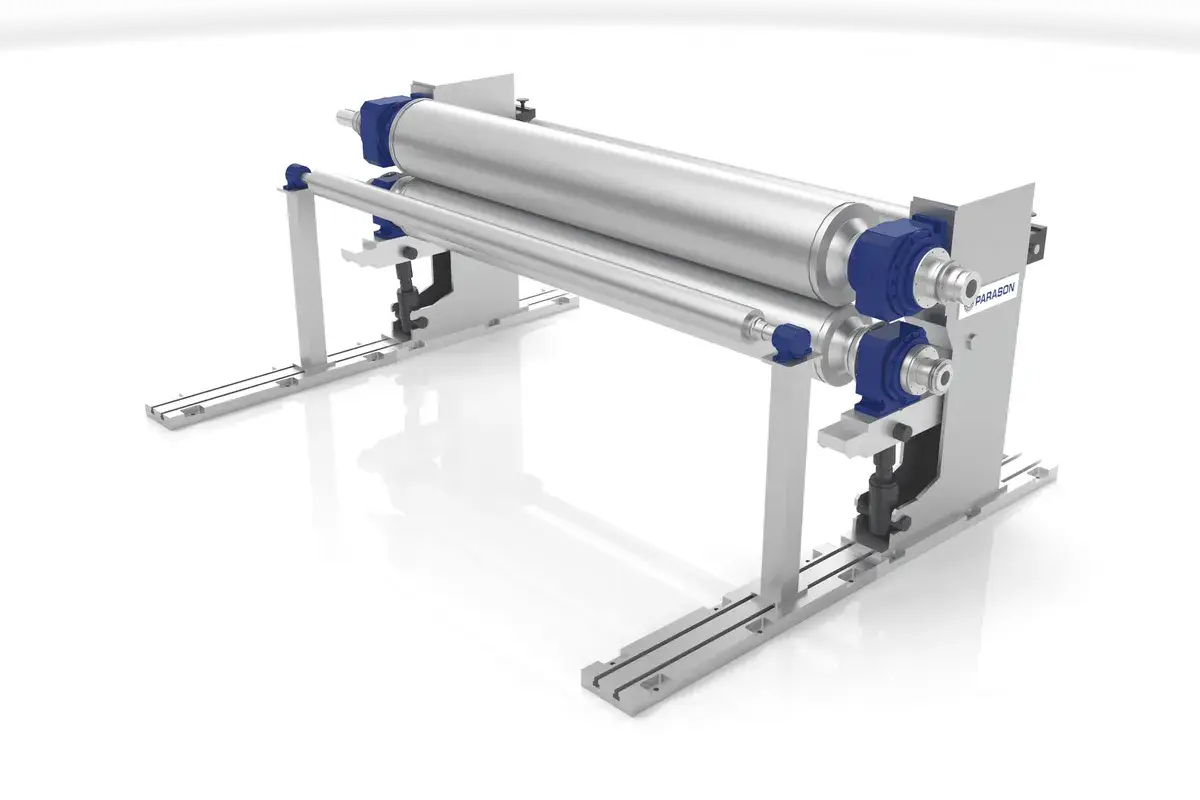
The calender smooths the paper surface and controls thickness uniformity. Soft calender and hard calender options are available with hydraulic loading and electro-mechanical oscillating doctoring. Calendering determines the final finish — from rough packaging surfaces to smooth writing paper.
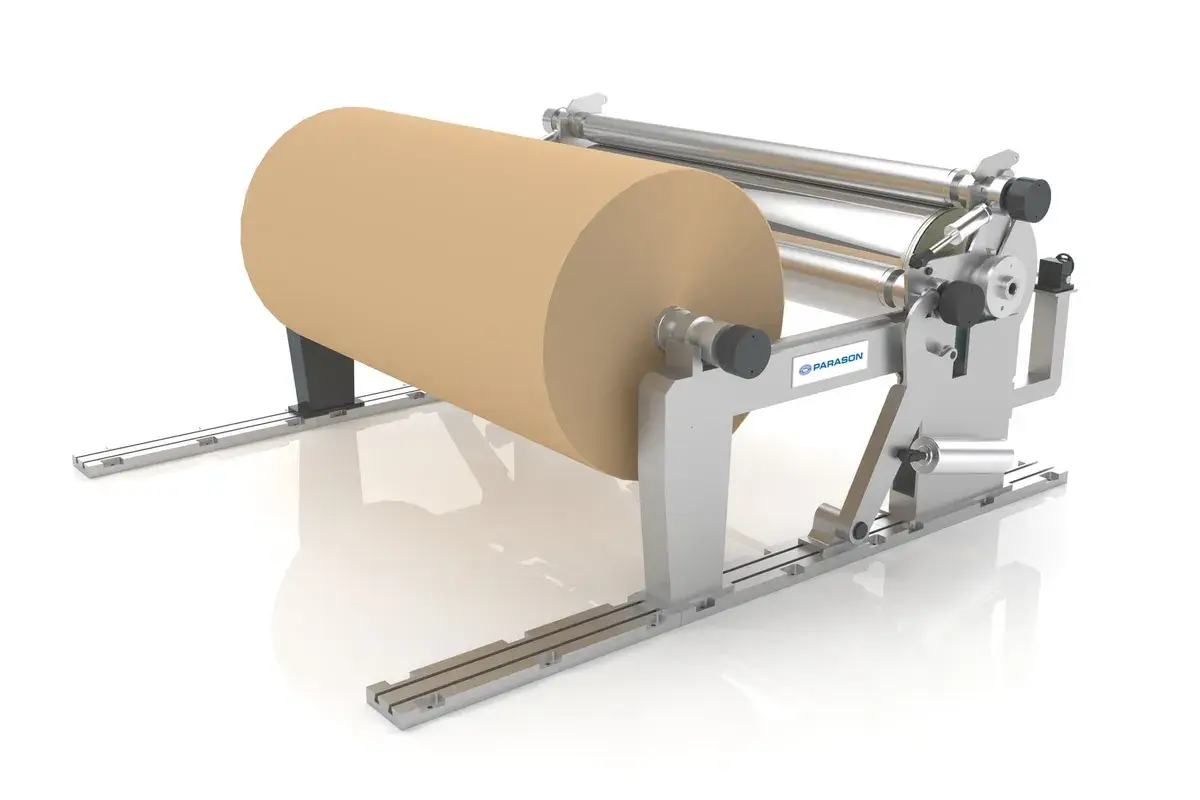
7. Pope Reel
The pope reel winds the finished paper into a large parent roll at the end of the machine. Parason’s auto spool pope reel allows continuous winding without speed reduction — the machine does not stop when one reel is full. The system uses pneumatic loading with cast iron or welded steel supporting drum and internal cooling.
8. Quality Control System (QCS)
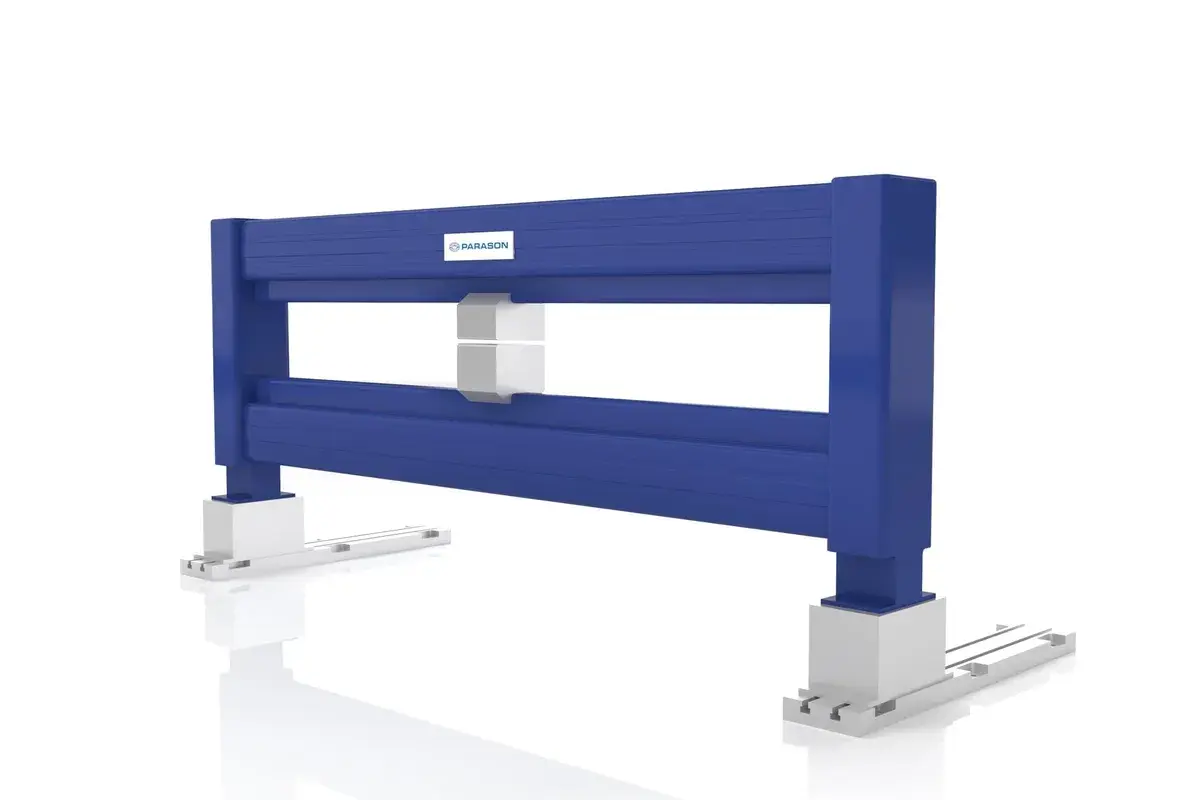
Modern paper machines include an online quality control system that continuously measures basis weight, moisture, color, and sheet temperature using scanning sensors. This data feeds back to the headbox and press section for automatic profile correction in both cross direction (CD) and machine direction (MD).
Which Paper Machine Technology for Which Grade?
This is the question we hear most from entrepreneurs entering the paper industry for the first time: “I know what grade I want to make — which machine do I actually need?” Here is a practical mapping based on decades of project experience across 75+ countries:
| Paper Grade | Recommended Machine | Wire Config | Typical Capacity | Key Equipment |
|---|---|---|---|---|
| Kraft paper / Testliner | Fourdrinier | Single or Double wire | 30 to 500 TPD | Hydraulic headbox, Tri-nip press |
| Duplex board | Multi-Wire Fourdrinier | Triple or Four wire | 50 to 300 TPD | Multiple headboxes, couch rolls |
| Writing & printing paper | Fourdrinier + Twin-Wire | Single wire | 50 to 200 TPD | Pressurized headbox, Shoe press, Film press |
| Newsprint | Fourdrinier | Single wire | 100 to 400 TPD | Bi-nip press, high-speed dryers |
| Tissue paper | Crescent former | Tissue machine | 5 to 100 TPD | Yankee cylinder, crescent former |
| White top liner | Multi-Wire Fourdrinier | Double or Triple wire | 80 to 400 TPD | Multiple headboxes for layers |
| Art card / FBB | Multi-Wire Fourdrinier | Four wire | 50 to 200 TPD | Coating station, soft calender |
The cost of a paper machine depends on multiple factors — production capacity (TPD), paper grade, speed, deckle width, level of automation, and whether you need a complete turnkey solution or standalone equipment. For a project-specific cost estimate, contact Parason’s engineering team.
Paper Machine Capacity and Speed Ranges
Paper machines are not one-size-fits-all. A small tissue paper production line producing 10 TPD and a large kraft machine producing 800 TPD are completely different — in footprint, capital cost, and engineering complexity. Here are the key specifications for paper machine technology types manufactured by Parason:
| Specification | Range |
|---|---|
| Production capacity | 5 TPD (tissue) to 1,200 TPD (paper & board) |
| Operating speed | Up to 1,200 MPM |
| Deckle width | Up to 10,000 mm (10 metres) |
| Paper width | Up to 7,000 mm |
| GSM range | 13 GSM (tissue) to 600+ GSM (board) |
| Paper grades | Kraft, duplex, writing, printing, newsprint, poster, white top liner, art card, FBB |
| Installations | 2,000+ installations across 75+ countries |
Parason Paper Machine Equipment
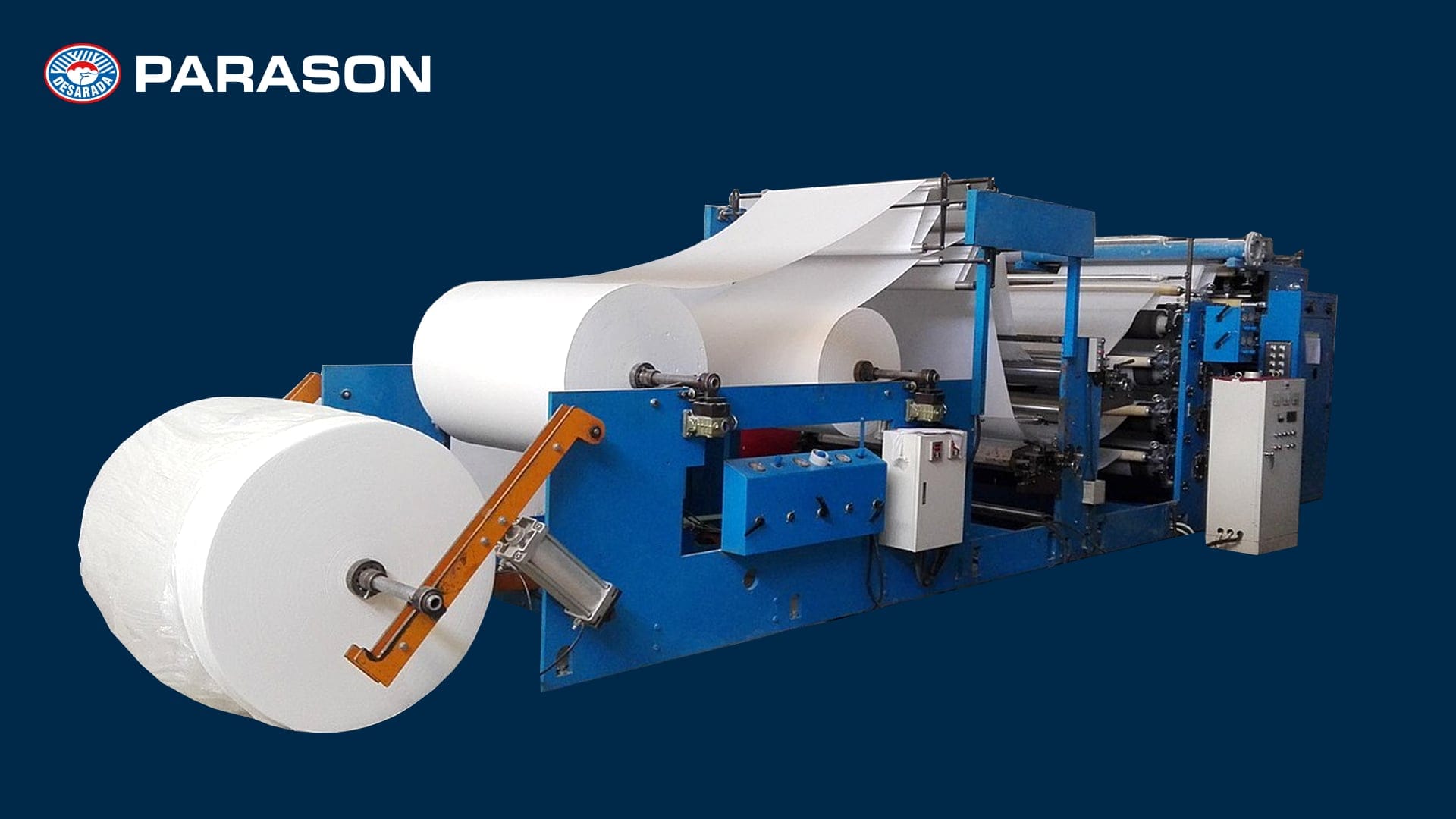
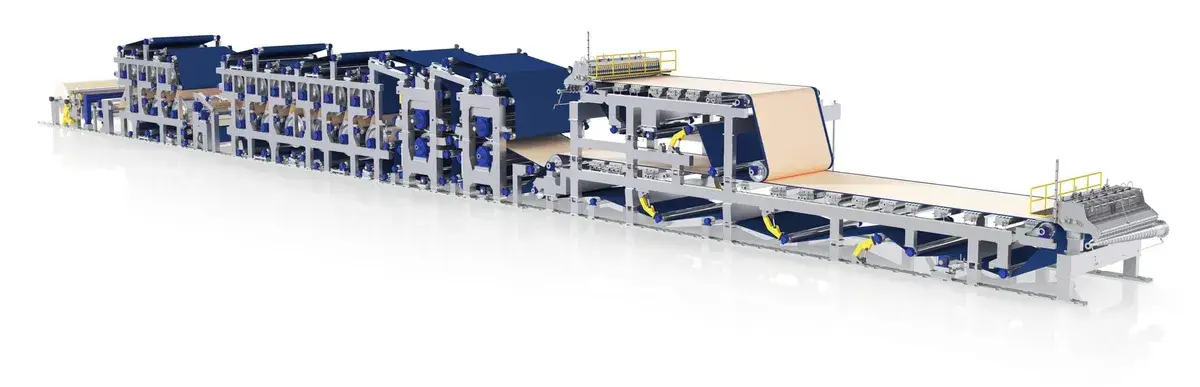
Parason manufactures complete paper machines — from headbox to pope reel — for kraft, board, writing, printing, and specialty grades. With over 2,000 installations across 75+ countries, Parason provides paper manufacturing equipment for capacity ranges from 5 TPD (tissue) to 1,200 TPD (paper and board).
The equipment portfolio includes hydraulic and pressurized headboxes, Fourdrinier wire sections (single to four-wire), H-type press section with bi-nip, tri-nip, and Maxi Press™ shoe press options, pre-dryer and post-dryer sections, film press, machine calender, QCS, and auto spool pope reel.
Parason also provides turnkey solutions — complete project execution from feasibility study to commissioning — for investors setting up their first paper mill.
For a broader look at every category of machines used in paper industry — from pulpers and refiners through to finishing equipment — see our complete paper mill equipment guide.