A pulp dewatering machine removes water from pulp stock and raises its consistency so the pulp is ready for the next stage of the mill. Dewatering is not one machine but a family of them: thickeners, presses and disc filters, each suited to a different consistency target and duty. Parason designs and supplies the full range, with more than 2,000 installations across 75 countries since 1976.
What is pulp dewatering?
Pulp dewatering separates the stock, which is a mix of fibre and water, into a thicker pulp and a filtrate (the water that is removed). Stock is graded by consistency: low consistency runs under 2% solids and medium consistency 2 to 8% (TAPPI stock-consistency classes). Dewatering lifts the pulp from these levels upward, with thickeners typically reaching around 8 to 12% dryness and presses pushing to 30% or higher. The target consistency matters because whatever comes next, whether refining, storage or the paper machine, needs the pulp at a specific concentration to run well.
Types of pulp dewatering equipment
Different duties call for different machines. The main families are:
| Type | What it does | Consistency reached | Typical use |
|---|---|---|---|
| Thickeners (disc, decker, gravity, folded) | Raise consistency gently | ~8 to 12% out | Stock thickening, saveall |
| Presses (screw press, belt filter press, twin-wire press) | Squeeze to high consistency | 30% and higher | High-consistency dewatering, sludge and reject |
| Disc filters / savealls | Recover fibre from white water | 0.7 to 1.1% in, 8 to 12% out | Fibre recovery, broke |
For thickening on its own, see our guide to the pulp thickener machine. You can browse the equipment range on the thickening page.
How the main machines work
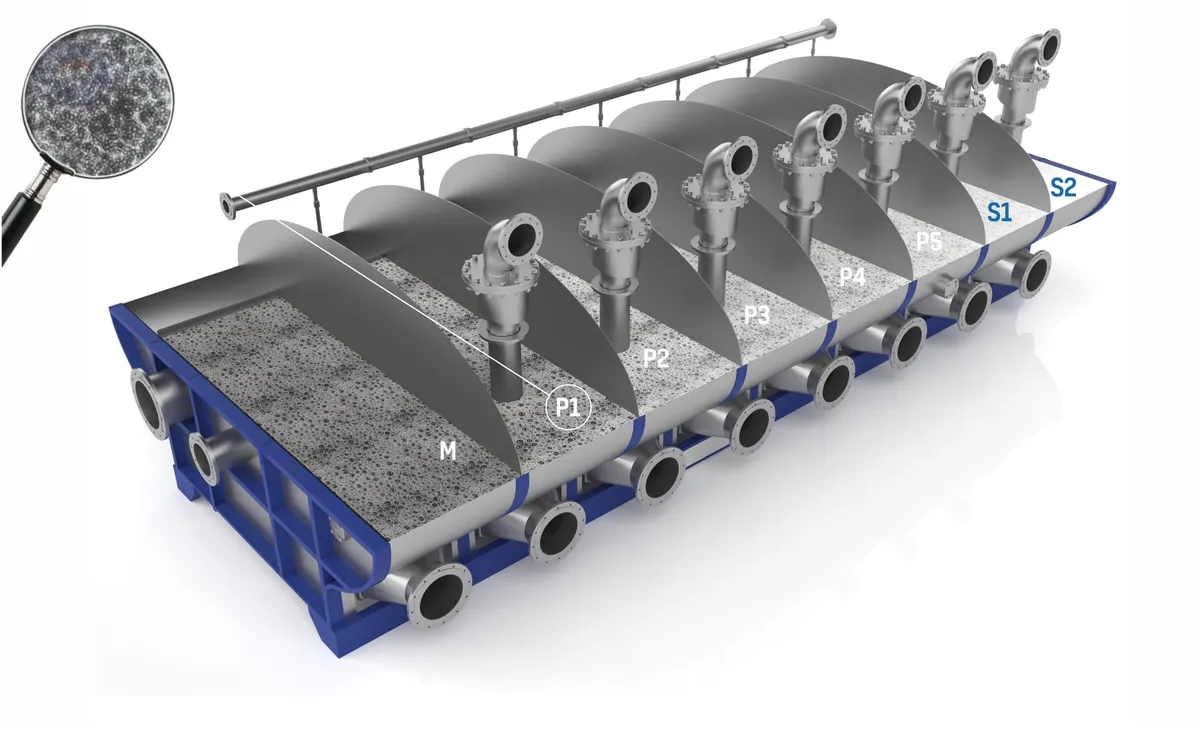
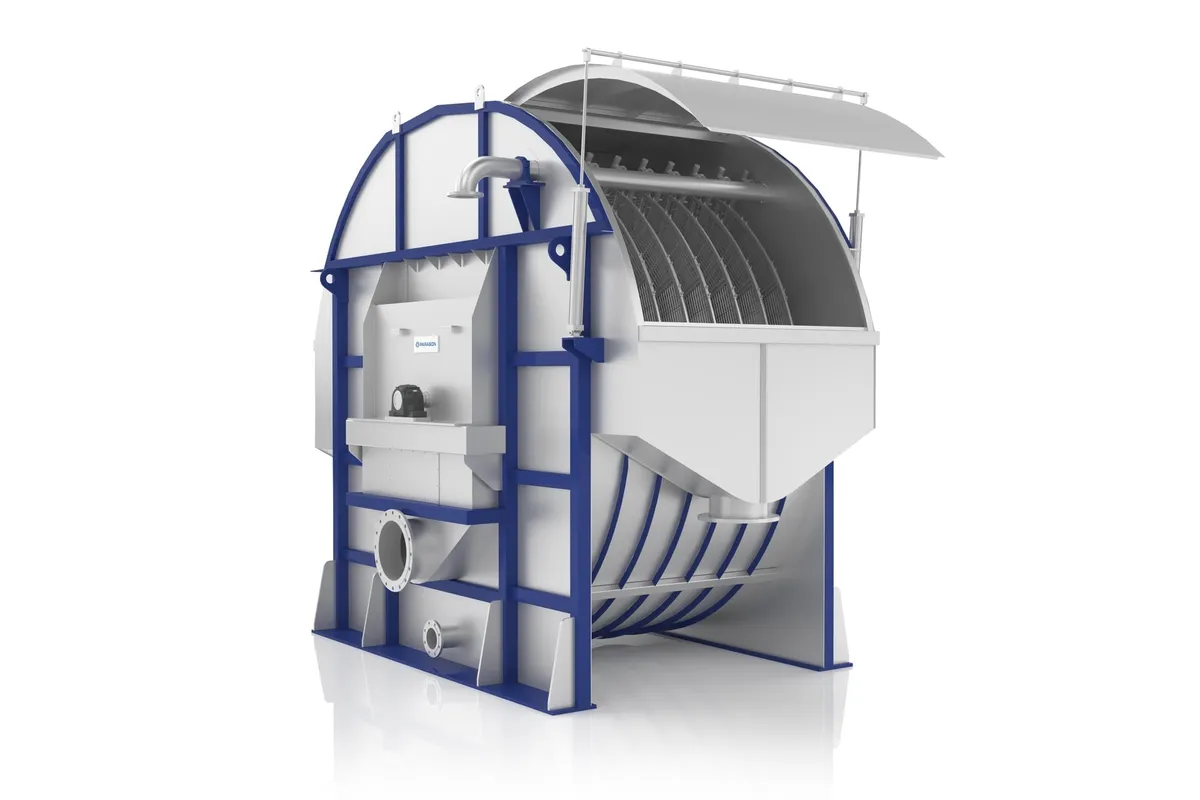
Disc filter / thickener: stock passes between mesh-covered discs. The level difference between the feed and filtrate sides creates the pressure that pulls water through the mesh, leaving thickened stock that is scraped off, while spray nozzles keep the mesh clean.
Screw press: a rotating screw inside a screen squeezes the pulp against a restriction, forcing water out through the screen and discharging high-consistency pulp.
Belt filter press: the stock passes between two moving belts under rising pressure, pressing out water, which suits sludge and reject handling.
Disc filter vs disc thickener
Buyers often ask how a disc filter differs from a disc thickener. They share the same rotating-disc design, but they are tuned for different jobs: a disc filter (or save-all) is set up to recover fibre from white water with very clear filtrate, while a disc thickener is set up mainly to raise stock consistency. The Parason Disc Filter (PDF) is built to do both.
| Aspect | Disc filter (save-all) | Disc thickener |
|---|---|---|
| Primary job | Recover fibre from white water | Raise stock consistency |
| Filtrate clarity | High: clear and super-clear filtrate | Less critical |
| Typical inlet | 0.7 to 1.1% | 1 to 3% |
| Typical outlet | 8 to 12% | 8 to 12% |
| Where it sits | White water / save-all loop | Stock line before refining or storage |
Parason pulp dewatering equipment range
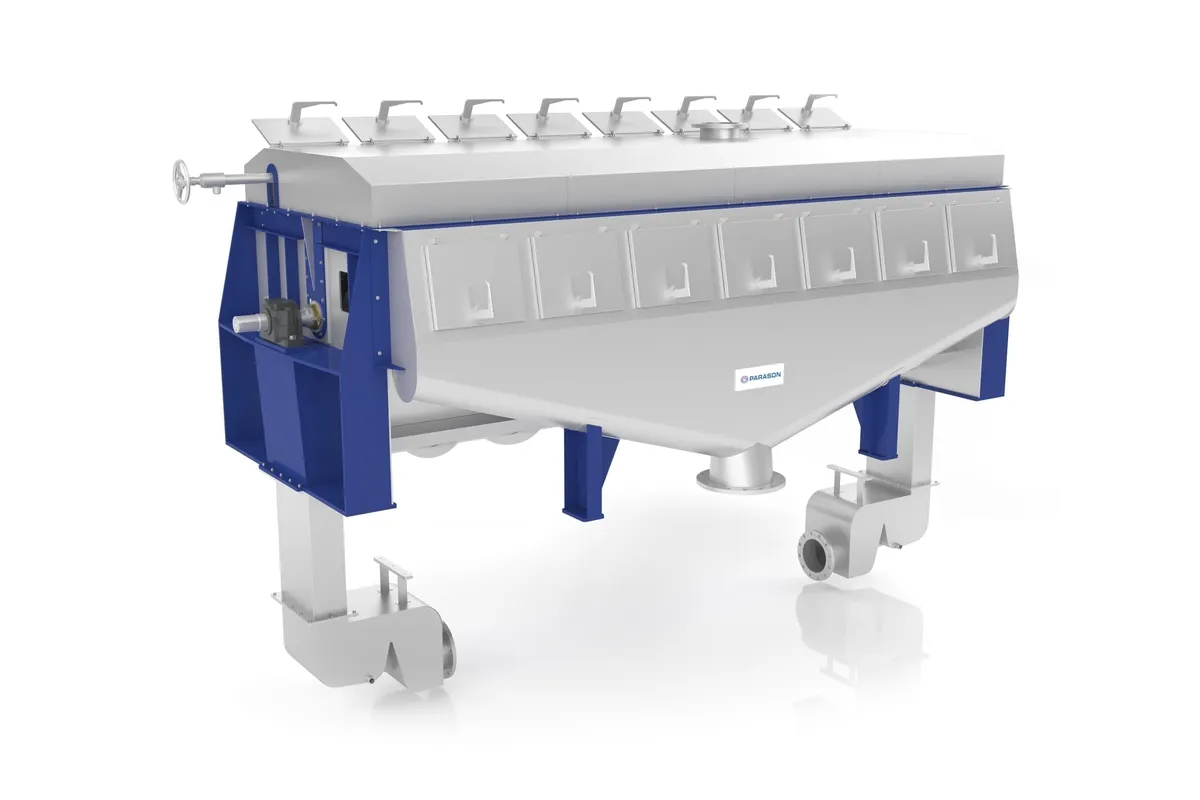
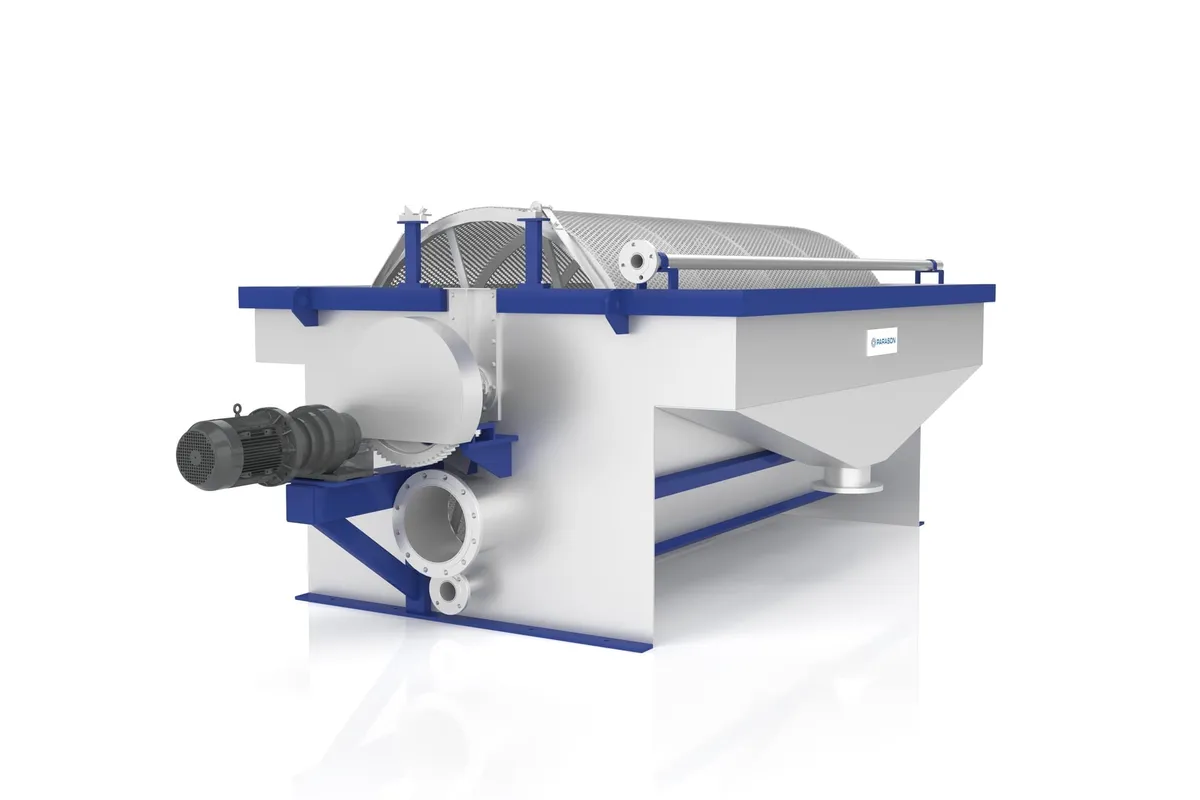
Parason builds a full range of dewatering and thickening machines, sized by capacity and duty. The cards below show the main machines, and the table gives the capacities and process figures.
| Machine | Capacity (TPD) | Notes |
|---|---|---|
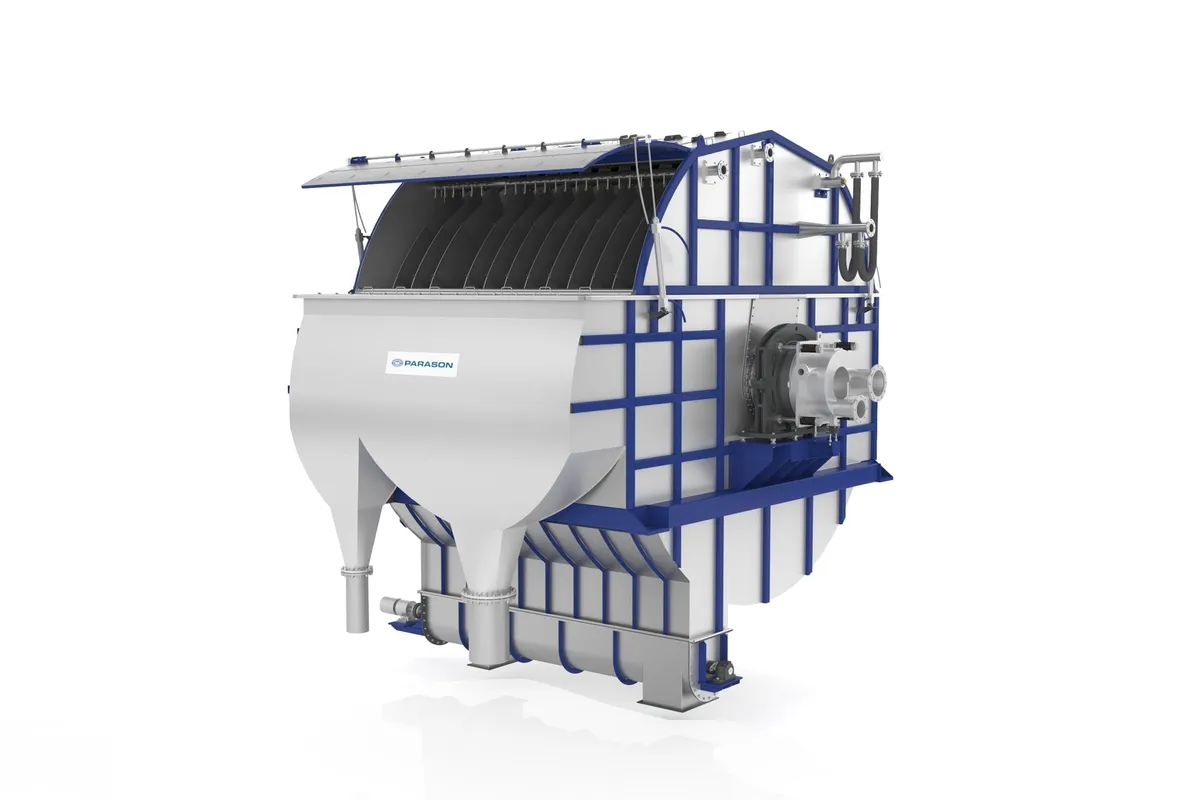
| Disc Filter (PDF) | 40 to 500 | 0.7 to 1.1% inlet, 8 to 12% outlet; thickening + fibre recovery |
| Double Disc Filter (PDDF) | 300 to 650 | 9 to 10% outlet; multi-layer mills, long and short fibre together |
| Gravity Thickener (GDT) | 90 to 320 | 0.9 to 2.5% inlet; compact, low maintenance |
| Folded Thickener (FTH) | 80 to 270 | large filtration area; also a washer for deinked pulp |
| Decker Thickener (DT) | 10 to 50 | drum type; thickens and stores to the chest |
The Parason Disc Filter also runs efficient deaeration and offers a Bagless (bump-segment) option that removes the need for filter-bag replacement. Applications span newsprint, writing and printing, kraft and duplex board.
How to choose the right pulp dewatering machine
The right machine comes down to your target consistency and duty, so it helps to work through three questions:
- What consistency do you need to reach? For gentle thickening up to roughly 10 to 12%, a disc, gravity or decker thickener is usually enough. To push pulp to high consistency of 30% or more, a screw press or twin-wire press does the job.
- What is the duty? Stock thickening before refining or storage points to a thickener; recovering fibre from white water points to a disc filter or saveall; handling sludge and rejects points to a belt filter press or screw press.
- What is the furnish and throughput? Recycled stock carries more contaminants and needs robust screening upstream, and the daily tonnage sets the machine size.
| If you need to… | Look at |
|---|---|
| Thicken stock gently before the next stage | Disc / gravity / decker thickener |
| Reach high consistency (30%+) | Screw press / twin-wire press |
| Recover fibre from white water | Disc filter / saveall |
| Dewater sludge and rejects | Belt filter press / screw press |
Parason matches the machine to the duty rather than selling a single box, so the equipment fits the consistency and tonnage you actually run.
Applications in a paper mill
- Stock thickening before refining or storage
- Saveall / fibre recovery from white water, recovering fibre that would otherwise be lost
- Sludge and reject dewatering in the stock preparation and effluent areas
Efficient dewatering pays back in three ways: a disc filter or save-all recovers fibre (fiber) that would otherwise be lost down the drain, the clear filtrate is returned and reused as mill water, and higher pulp dryness means the dryers evaporate less water, which cuts steam and energy cost per tonne. Recovered fibre matters more every year, with recovered paper now supplying well over half of the fibre used in global papermaking (FAO).
Dewatering on the paper machine
Dewatering does not stop at stock preparation. Paper machine dewatering removes water from the sheet on the machine itself, in stages:
- Forming section: the stock is laid onto the wire and most of the water drains away by gravity and vacuum, forming the sheet.
- Press section: the wet sheet passes between press rolls that mechanically squeeze out more water before drying. This is what "paper machine press section dewatering" refers to.
- Deaeration: before the headbox, air is removed from the stock so the sheet forms evenly, because trapped air disrupts drainage and formation.
These stages decide how much water the dryers still have to remove, so they have a direct effect on energy use and machine speed. Parason supplies the paper machine equipment for these stages, from the forming section through the presses. See the paper machine range.
Pulp dewatering equipment in action
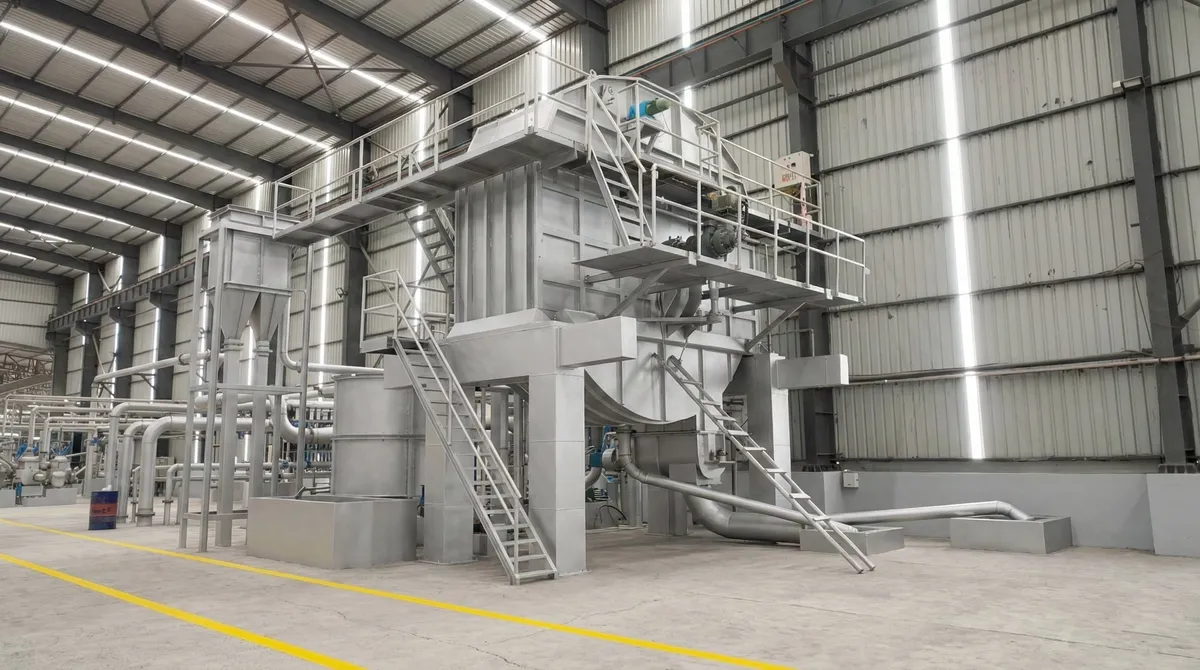
See Parason disc filters and thickeners dewatering pulp in real mills:
Why choose Parason for pulp dewatering equipment
- The full range from one supplier: thickeners, presses and filters
- A record since 1976, with more than 2,000 installations across 75+ countries
- Turnkey support: design, installation, commissioning and spares
As an industrial pulp dewatering machine manufacturer based in India, Parason builds the full range in-house and supplies stock preparation equipment to pulp and paper mills worldwide:
- India: the home market and manufacturing base, with the largest installed base.
- South and South-East Asia: Bangladesh, Nepal, Sri Lanka, Indonesia, Vietnam, Thailand, the Philippines and Malaysia.
- Middle East: Saudi Arabia, the UAE, Egypt, Iran and Turkey.
- Africa: Nigeria, Kenya, Ethiopia, Tanzania, Algeria and South Africa.
- Latin America: Brazil, Mexico, Colombia, Peru and Chile.
- Europe: pulp and paper mills across the continent.
Tell us the duty and consistency you need, and our team will recommend the right dewatering equipment for your mill. Contact Parason.