Hydrapulper Machine for Pulp & Paper Mills
In the Parason range, the hydrapulper machine most mills are looking for is the Low Consistency D-Type Pulper. It is the classic low-consistency hydraulic pulper, often searched as the D-Type hydrapulper. Parason builds the complete pulping line around it, from 8 TPD lab-scale units up to 1,300 TPD high-volume systems, in both low-consistency and high-consistency designs. If you already know your furnish and capacity, ask our pulping engineers for a quote. If you are still weighing it up, the selection logic below is the same one our team uses on the plant floor.
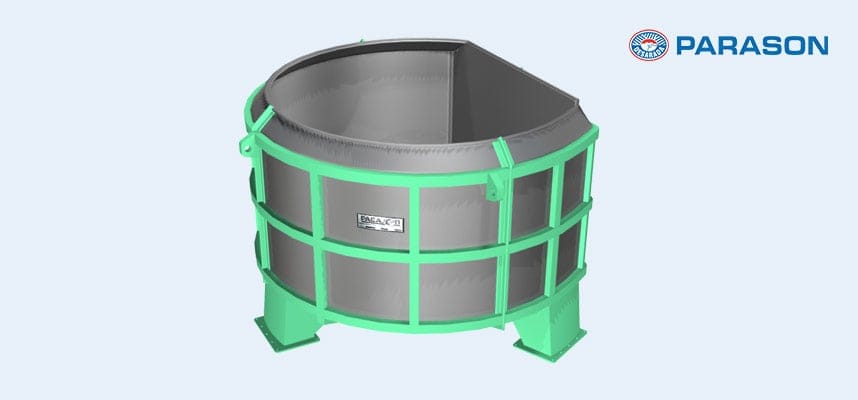
- In the Parason range the hydrapulper is the Low Consistency D-Type Pulper: a continuous, low-consistency (4-6%) pulper for OCC and mixed waste.
- The pulping range spans 8 to 1,300 TPD across four families: HICON (HM), LC Offset (LCO), LC Virgin (LCV) and D-Type (LCD).
- High-consistency HICON (15-16%) suits contaminated recycled grades and saves energy; low-consistency (4-6%) suits cleaner and virgin furnishes.
- The impeller is the main wear part; Parason supplies OEM spares for the full pulping range.
- Price depends on type, capacity, furnish and automation, so each hydrapulper is quoted to the mill's specification.
Which Parason machine is the hydrapulper?
A hydrapulper has always been, by definition, a low-consistency hydraulic pulper: it runs thinner stock and uses rotor shear in a continuous flow to break the furnish down. In the Parason range its direct equivalent is the Low Consistency D-Type Pulper, a continuous low-consistency pulper that runs at 4-6% consistency (and up to 70°C), built for OCC and mixed waste. It is the machine most mills mean when they search for a hydrapulper or a D-Type hydrapulper.
Around the D-Type sits a complete low-consistency family for different furnishes. The LC Offset Pulper (LCO Series) uses a double-coned bottom with a baffle for strong circulation and carries the largest single-unit capacity in the Parason pulping range, while the LC Virgin Pulper (LCV Series) is built for white-grade virgin pulp and paper mills.
High-consistency hydrapulper: HICON (HM Series)
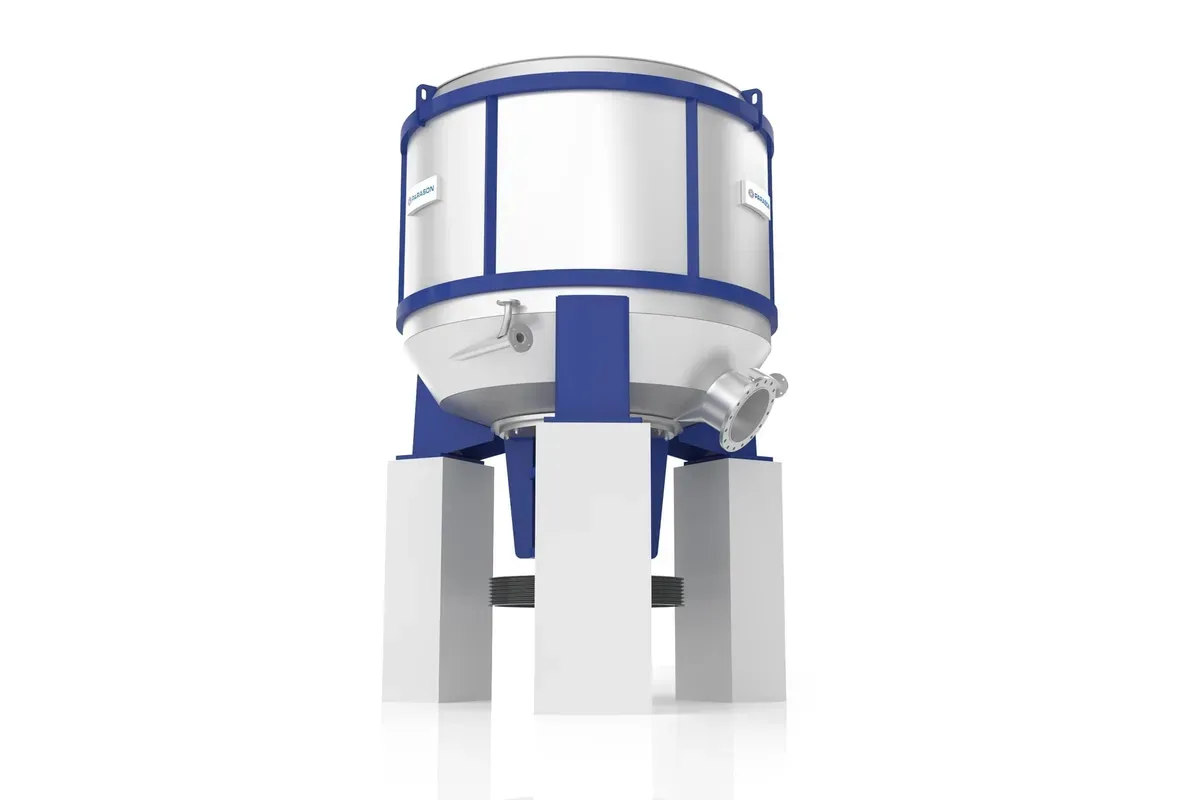
Many modern mills run a high-consistency hydrapulper instead of the conventional low-consistency type. Parason's high-consistency hydrapulper is the HICON system, which runs thick stock at 15-16% and defibers fibre-on-fibre. That saves energy and keeps contaminants intact for cleaner removal downstream, so for heavily contaminated recycled grades it is often the better answer.
The Parason hydrapulper range at a glance
The four core pulper families span 8 to 1,300 TPD. The capacities below come from Parason's own equipment specifications; open any pulper for its full model-by-model specs.
| Pulper | Consistency | Capacity (TPD) |
|---|---|---|
| Low Consistency D-Type Pulper | 4-6% | 25-410 |
| LC Offset Pulper (LCO) | Low consistency | 50-1,300 |
| LC Virgin Pulper (LCV) | 4-5% | 50-600 |
| HICON Pulper (HM) | 15-16% | 8-220 |
So the real choice is between a low-consistency hydrapulper (the D-Type and its LC siblings) and a high-consistency HICON system.
Other pulpers in the Parason range
Beyond the core hydrapulper and HICON lines, Parason builds dedicated pulpers for specific furnishes and duties. The right one depends on the grade you run and where it sits in the line.
| Pulper | Type / consistency | Capacity (TPD) | Best suited to |
|---|---|---|---|
| SharpEdge Drum Pulper (PDP) | Continuous drum, 15-18% | 150-1,030 | Gentle, high-volume recycled defibering |
| Cup Stock / Tetra Pak Pulper (CSTP) | High contamination, 12-15% | 45-120 | Cup stock and liquid-packaging board |
| HTP Wet Strength Pulper | For wet-strength furnish | 15-100 | Wet-strength and tough grades |
| Dilution Pulper (DLP) | Post-HICON dilution | 15-220 | Dilution and contaminant separation |
| Under Pulper (PUP) | 3-6%, rotor 610-1,600 mm | Mill-matched | Broke and pulper-pit repulping |
A complete pulping line also needs supporting equipment. Parason supplies a Pulper Bale Breaker (PBB) to open waste-paper bales, a Ragger and Rope Cutter to pull wire and rope out of the pulper, a Trash Pump and Reject Compactor for the reject stream, and a Fiber Guard to recover usable fibre before it is thrown away. All of it is engineered together as a turnkey pulping system.
How to select the right hydrapulper
Four questions settle most selections:
- What is your furnish? OCC, mixed waste, and kraft behave differently from virgin wood pulp, bagasse, bamboo, or cup stock. Contaminated grades favour high consistency; clean and virgin grades favour low consistency.
- What capacity do you need, today and in three years? Size for planned expansion, not just current tonnage. The Parason range scales from 8 to 1,300 TPD so a mill can grow without re-engineering the front end.
- How much contamination must survive intact? Gentler HC defibering keeps plastics, strings, and staples in larger, easier-to-remove pieces instead of shredding them into the good fibre.
- Batch or continuous? Tie this to your downstream balance and target throughput.
In short: if you run contaminated recycled stock and energy is your biggest cost, look at HICON. If you run virgin or cleaner grades and want a steady continuous feed, look at the LC range. If you are not sure which way to go, the Parason pulping team can size the unit against your grade and capacity, or you can browse the full pulping systems lineup side by side.
What is a hydrapulper machine?
A hydrapulper (also written hydropulper or hydra pulper) is a tank-and-rotor machine that turns dry fibrous raw material (waste paper, board, or virgin pulp sheets) back into a pumpable fibre slurry. It sits right at the start of the stock preparation line and does most of the secondary-fibre defibering, also called slushing or repulping, in a recycling mill. The job itself is fibre dissociation: water and mechanical shear break the hydrogen bonds holding the sheet together, so the fibres come apart again.
The idea is simple; the engineering is not. If the rotor geometry, tank shape, or consistency is wrong, you either burn power tearing fibre that is already free, or you push half-defibered flakes downstream, where they jam screens and send good fibre out with the rejects.
How the hydrapulper process works
Raw material and water are charged into the tub in a fixed ratio to form a slurry. A high-torque motor turns a bottom-mounted rotor (impeller), which drives the slurry into a strong circular flow and central vortex. The shearing forces created at the rotor zone tear sheets and fibre bundles apart into individual fibres, while a perforated extraction plate lets only properly defibered stock pass through.
The variables a mill controls are consistency (the ratio of fibre to water), rotor speed, and residence time. Those three settings are what separate a high-consistency pulper from a low-consistency one, and they are the reason there is no single "best" hydrapulper, only the right one for your furnish.
The hydrapulper rotor (impeller)
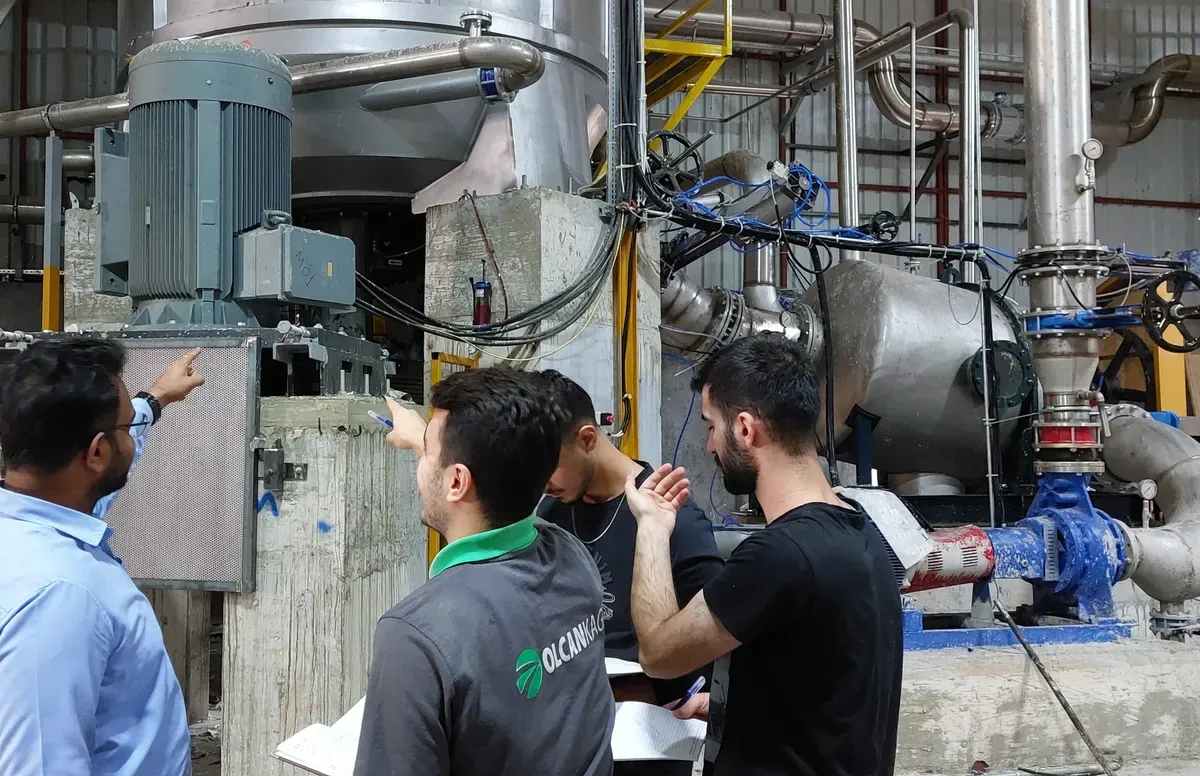
The hydra pulper impeller, or rotor, does the real work. Mounted at the base of the tank, it drives the slurry into the vortex and creates the shearing forces that pull the furnish apart. Its geometry and speed largely set how efficiently the rotor defibers the stock and how much energy it draws, so Parason matches the rotor design to the furnish and consistency rather than fitting one profile to every grade. The rotor is also the main wear part, which is why it is the first item most mills hold as a spare.
Removing contaminants and recovering fibre
Recovered furnish carries non-pulpable contaminants the pulper is not meant to break down: wire, rope, plastics, films, staples, and grit. A junk trap and detrasher pull these heavy and light rejects out before they damage the rotor or pass downstream, and a ragger twists out wire and rope continuously. Gentle defibering helps here, because tearing contaminants into smaller pieces only makes them harder to screen out later. On the recovery side, a Fiber Guard reclaims good fibre from the reject stream so it is not lost. For recycled grades where ink must come off, the pulper also begins ink release before the stock moves on to the deinking process.
Batch vs continuous hydrapulpers
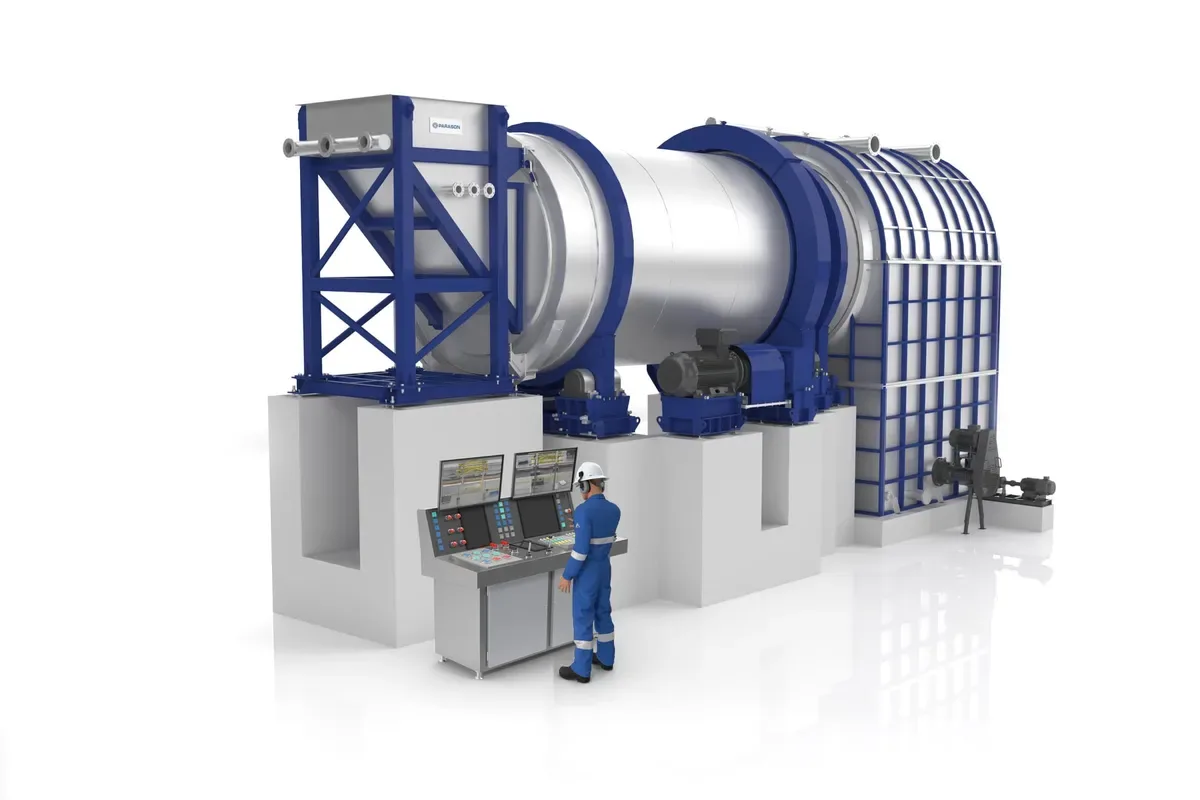
A batch hydrapulper charges, defibers, and dumps in cycles. It is simple and forgiving, and it suits smaller mills or furnishes that vary load to load. A continuous hydrapulper feeds raw material in at the same rate defibered stock is drawn out through the extraction plate, giving a steady flow into the rest of the line. This is how the D-Type Pulper runs: continuously, at 4-6% consistency. The SharpEdge Drum Pulper fills the same continuous role in high-volume recycled lines.
Continuous systems win on throughput and consistency of output, which is why high-volume recycling mills lean toward them. Batch systems win on flexibility and lower complexity. Capacity, furnish stability, and how tightly the rest of your line is balanced should drive the choice.
Where the hydrapulper fits in stock preparation
The pulper does not work alone. After defibering, stock moves to high-density cleaning, coarse and fine screening, refining, and approach flow before the paper machine. A pulper sized or specified in isolation can bottleneck or overload the stages after it. Parason engineers the pulper as part of a complete stock preparation system so the front end and the rest of the line are matched from the start.
With roots going back to 1976 and over 2,000 installations across 75+ countries, Parason builds pulping equipment for the furnish and capacity a mill actually runs, not a one-size catalogue unit.
Spare and wear parts for hydrapulpers
A pulper runs against abrasive, contaminated stock around the clock, so a handful of parts wear and need planned replacement. Keeping the right spares on the shelf is the difference between a quick scheduled swap and an unplanned line stop. Here is the OEM wear-parts list mills usually keep against a Parason pulper:
| OEM wear part | What it does | Fits |
|---|---|---|
| Impeller (Hi-Con, LCD, D-Type, DLP) | The primary wear part; drives the vortex and shears the furnish, so profile and balance set defibering efficiency and power draw | Matched to the pulper type |
| Pulper Blade | Replaceable rotor blades that do the tearing | All pulpers |
| Sweeping Blade | Sweeps stock across the tub to keep it circulating | Pulpers and tanks |
| Screen Plate (Extraction Plate) | Perforated plate that sets defibered-stock quality; holes enlarge as it wears | Hi-Con, D-Type, Dilution, Hydra Pulper |
| Base Plate | Base plate for the pulper and its extraction equipment | All pulper types |
| Bed Plate | Works against the impeller to extract stock | D-Type, Intensa Max |
| Pulper Shaft | Carries the impeller and takes the running load | All pulpers |
| Shaft Sleeve & Wear Sleeve | Protect the shaft at the seal and bearing area | Pulpers, screens, pumps |
| Mechanical Seal (Cartridge / Component) | Seals the rotating shaft against the stock | Pulpers, pumps, screens |
| Bearings & bearing-housing sleeve | Routine rotating-equipment consumables | All rotating units |
Parason supplies OEM spare and wear parts for its full pulping range and can match parts to existing installations, including the impeller and screen plate. Browse the full spare-parts catalogue, or, for a parts list against your machine, contact the Parason team.