If you are planning a paper mill, the first question on your mind is likely about paper pulp machine price — how much should you budget for pulping equipment and the complete stock preparation line? The honest answer is that the paper mill pulper cost depends on several factors, and no two projects are identical. But this guide will give you a clear understanding of what drives the investment so you can plan your paper making machine cost with confidence.
Parason manufactures pulping equipment across the full capacity range — from 8 TPD for small paper mills to over 1,000 TPD for large integrated operations. The price of your paper pulp machine depends primarily on five factors: production capacity, raw material type, paper grade, automation level, and system scope.
What Affects Paper Pulp Machine Price?
There is no single "price list" for paper mill pulping machinery because every mill has a different production target, different raw materials, and different quality requirements. Understanding the paper pulp machine price structure helps you plan your budget accurately. A 20 TPD kraft mill processing waste paper needs a fundamentally different pulping system than a 200 TPD writing paper mill running on virgin wood pulp. Here are the five factors that determine your investment.
1. Production Capacity (TPD)
Capacity is the single biggest driver of pulper machine price. A paper pulper rated for 8–15 TPD uses a 90 kW motor, while one rated for 200–220 TPD needs 650 kW. The equipment size, motor power, structural weight, and material thickness all scale with capacity — and so does the paper mill equipment cost.
Parason's HICON Pulper (HM Series) alone spans 14 models from HM-3 (8–15 TPD, 90 kW) to HM-35 (200–220 TPD, 650 kW). Choosing the right capacity tier avoids both undersizing (which causes production bottlenecks) and oversizing (which wastes capital on equipment you won't fully utilise).
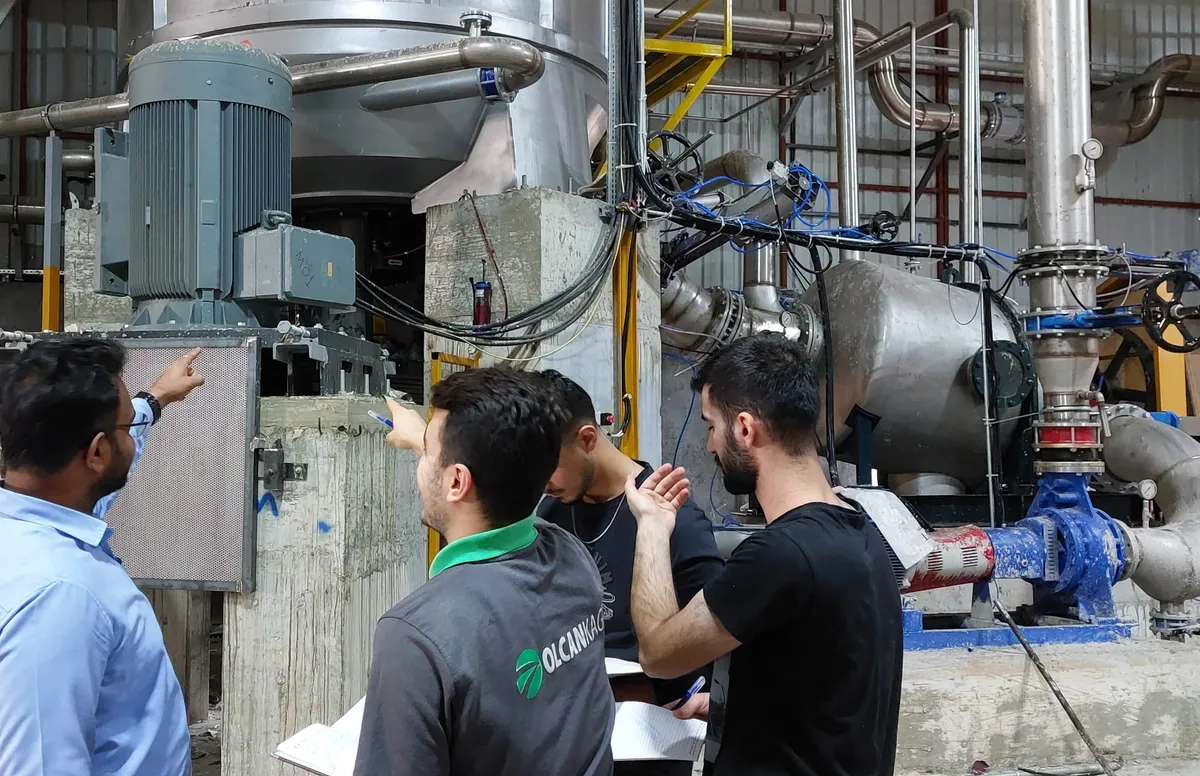
For large-capacity operations, the SharpEdge Drum Pulper (PDP Series) covers 150 TPD (PDP-15, 132 kW) up to 1,000 TPD (PDP-100, 1,000 kW). The jump in power requirement — from 132 kW to 1,000 kW — gives you a sense of how significantly capacity affects the paper pulp machine price and overall pulping equipment cost.
2. Raw Material Type
The raw material you plan to process determines which type of pulper you need — and different pulper types sit at different price points.
| Raw Material | Pulper Type Required | Capacity Range | Power Range |
|---|---|---|---|
| Waste paper (OCC, mixed waste) | HICON Pulper (HM Series) | 8–220 TPD | 90–650 kW |
| Highly contaminated waste (Tetra Pak, cup stock) | CSTP Pulper | 45–120 TPD | 315–630 kW |
| Virgin wood pulp / white grades | LC Virgin Pulper (LCV Series) | 50–600 TPD | 75–300 kW |
| Wet-strength paper, textiles | HTP Wet Strength Pulper | 15–100 TPD | 160–550 kW |
| Contaminated grades (large-scale) | SharpEdge Drum Pulper (PDP Series) | 150–1,000 TPD | 132–1,000 kW |
| OCC and mixed waste (low consistency) | D-Type Pulper | Mill-specific | Mill-specific |
A mill running on clean sorted white waste can use the LCV Series (75–300 kW across the range) — simpler construction, lower power, lower paper mill pulper cost. A mill processing mixed municipal waste with high contamination levels needs the HICON or Drum Pulper with heavy-duty screen plates, raggers, rope cutters, and reject handling systems — all of which add to the total paper pulp machine price.
3. Paper Grade and Its Impact on Cost
The paper grade you want to produce dictates how many processing stages your stock preparation system requires beyond just the pulper. More stages mean more equipment, more floor space, and higher paper making machine cost overall.
| Paper Grade | Stock Prep Complexity | Equipment Stages Beyond Pulper |
|---|---|---|
| Kraft / corrugated (from OCC) | Medium | HD cleaner → coarse screen → fine screen → LC cleaner → refiner → thickener |
| Tissue (from virgin pulp) | Medium-high | HD cleaner → coarse screen → fine screen → LC cleaner → refiner (gentle) → thickener |
| Writing & printing (virgin chemical) | High | HD cleaner → MC cleaner → coarse screen → fine screen → LC cleaner (3-stage) → refiner → thickener |
| Newsprint (from deinked pulp) | Very high | HD cleaner → screen → disperser → deinking flotation → bleach tower → refiner → thickener |
| Board (multi-layer) | High | Separate stock prep line per layer — 2–4 parallel systems |
A kraft paper mill using OCC as raw material might need 6–8 pieces of major equipment after the pulper. A newsprint mill processing old newspapers for deinked pulp needs 8–12 major equipment pieces including a hot disperser system, flotation deinking cells, and a bleach tower. The difference in total paper manufacturing machine cost between these two configurations can be substantial.
4. Automation Level
A basic manually operated stock preparation system costs less upfront than a fully automated one with PLC controls, VFD drives on every motor, consistency transmitters, and SCADA integration. However, automated systems deliver lower operating costs over time through reduced manpower, consistent quality, lower chemical consumption, and better energy efficiency.
Parason partners with ABB for automation and IoT integration, offering systems ranging from basic PLC control to full Industry 4.0 connectivity. Equipment like the CylindReX refiner (ORX Series) comes Industry 4.0-ready with optical fibre connectivity for real-time monitoring. The automation investment is typically justified for mills above 50 TPD where operating cost savings compound significantly.
5. System Scope: Single Machine vs Complete Line
The pulper machine price varies dramatically depending on whether you are buying a single replacement pulper for an existing mill or a complete turnkey stock preparation equipment line for a new project.
A single HICON pulper replacement for a 50 TPD mill is one price point. A complete stock preparation system for the same mill — including the pulper, HD cleaner, coarse screen, fine screen, LC cleaners, refiner, thickener, agitators, piping, valves, and instrumentation — is a fundamentally different investment. Parason offers both: individual equipment supply and complete turnkey solutions from concept to commissioning.
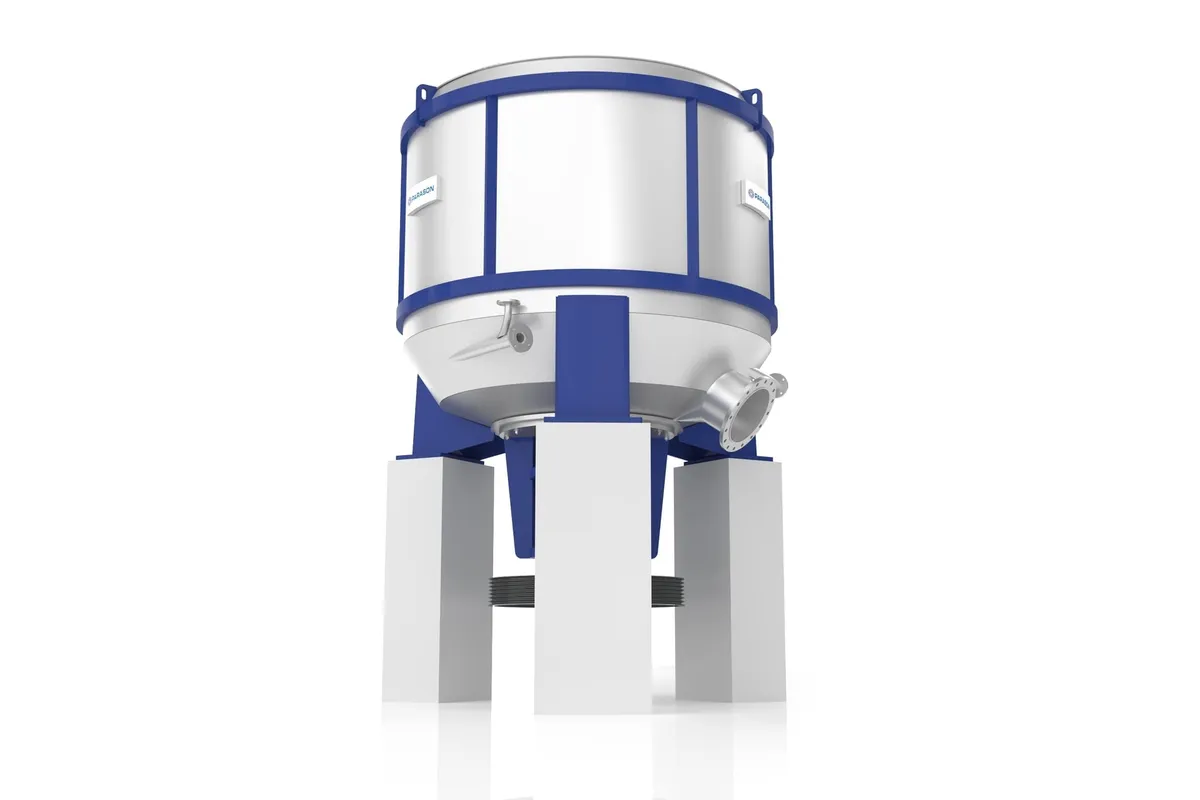
Paper Pulping Equipment Specifications by Capacity
To help you estimate which capacity tier matches your project, here are the key specifications for Parason's main pulping equipment ranges. These specs directly influence paper pulp machine price — larger capacity and higher power mean higher investment.
HICON Pulper (HM Series) — For Waste Paper Mills
| Model | Capacity (TPD) | Motor Power (kW) | Best For |
|---|---|---|---|
| HM-3 | 8–15 | 90 | Small kraft/board mills |
| HM-5 | 15–30 | 125 | Small-medium mills |
| HM-8 | 30–50 | 180 | Medium mills |
| HM-10 | 50–65 | 200 | Medium mills |
| HM-12 | 65–80 | 220 | Medium-large mills |
| HM-15 | 80–100 | 325 | Large mills |
| HM-20 | 100–130 | 400 | Large mills |
| HM-25 | 140–160 | 450 | Very large mills |
| HM-30 | 150–190 | 550 | Very large mills |
| HM-35 | 200–220 | 650 | Very large mills |
Operating consistency: 15–16%. All models feature high-consistency pulping technology that keeps contaminants large and intact for easier rejection through the screen plate.
SharpEdge Drum Pulper (PDP Series) — For High-Capacity Operations
| Model | Capacity (TPD) | Motor Power (kW) | Key Feature |
|---|---|---|---|
| PDP-15 | 150–170 | 132 | Gentle pulping, L-Bar Knife Metallurgy |
| PDP-30 | 300–330 | 250 | Built-in drum screen separation |
| PDP-45 | 450–490 | 400 | Continuous accept/reject separation |
| PDP-60 | 600–630 | 560 | Heavy-duty construction |
| PDP-80 | 800–830 | 800 | Large-scale OCC/mixed waste |
| PDP-100 | 1,000–1,030 | 1,000 | Maximum capacity drum pulper |
Operating consistency: 15–18%. The drum pulper combines pulping and primary screening in a single unit — which can reduce the total number of downstream equipment and lower the overall paper mill equipment cost.
LC Virgin Pulper (LCV Series) — For White Grade Mills
| Model | Capacity (TPD) | Motor Power (kW) |
|---|---|---|
| LCV-10 | 50–60 | 75 |
| LCV-16 | 80–100 | 90 |
| LCV-20 | 130–145 | 110 |
| LCV-32 | 230–250 | 160 |
| LCV-50 | 380–400 | 200 |
| LCV-80 | 600 | 300 |
Operating consistency: 4–5% with screen plates of 12–16 mm. Lower motor power requirements compared to HC pulpers handling the same capacity — which translates to lower energy costs during operation and a lower paper mill pulper cost overall.
Specialised Pulpers
| Pulper Type | Application | Capacity Range | Power Range |
|---|---|---|---|
| CSTP (Cup Stock / Tetra Pak) | Tetra Pak, cup stock, contaminated grades | 45–120 TPD | 315–630 kW |
| HTP (Wet Strength) | Wet-strength paper, textiles | 15–100 TPD | 160–550 kW |
| DLP (Dilution Pulper) | After HICON — dilution and contaminant separation | 15–220 TPD | 30–160 kW |
| LCO (LC Offset Pulper) | Multi-purpose, 12 models | 50–1,300 TPD | 110–1,000 kW |
Total Paper Making Machine Cost: Beyond the Pulper
The pulper is the starting point, but the complete paper mill equipment cost includes several other machines in the stock preparation line. Each adds to the total investment. Here is what a typical stock prep system includes, with Parason equipment specifications:
| Equipment | Parason Range | Capacity | Purpose |
|---|---|---|---|
| HD Cleaner | HDCS / HDCC Series | 1,300–8,000 LPM | Removes sand, glass, metal |
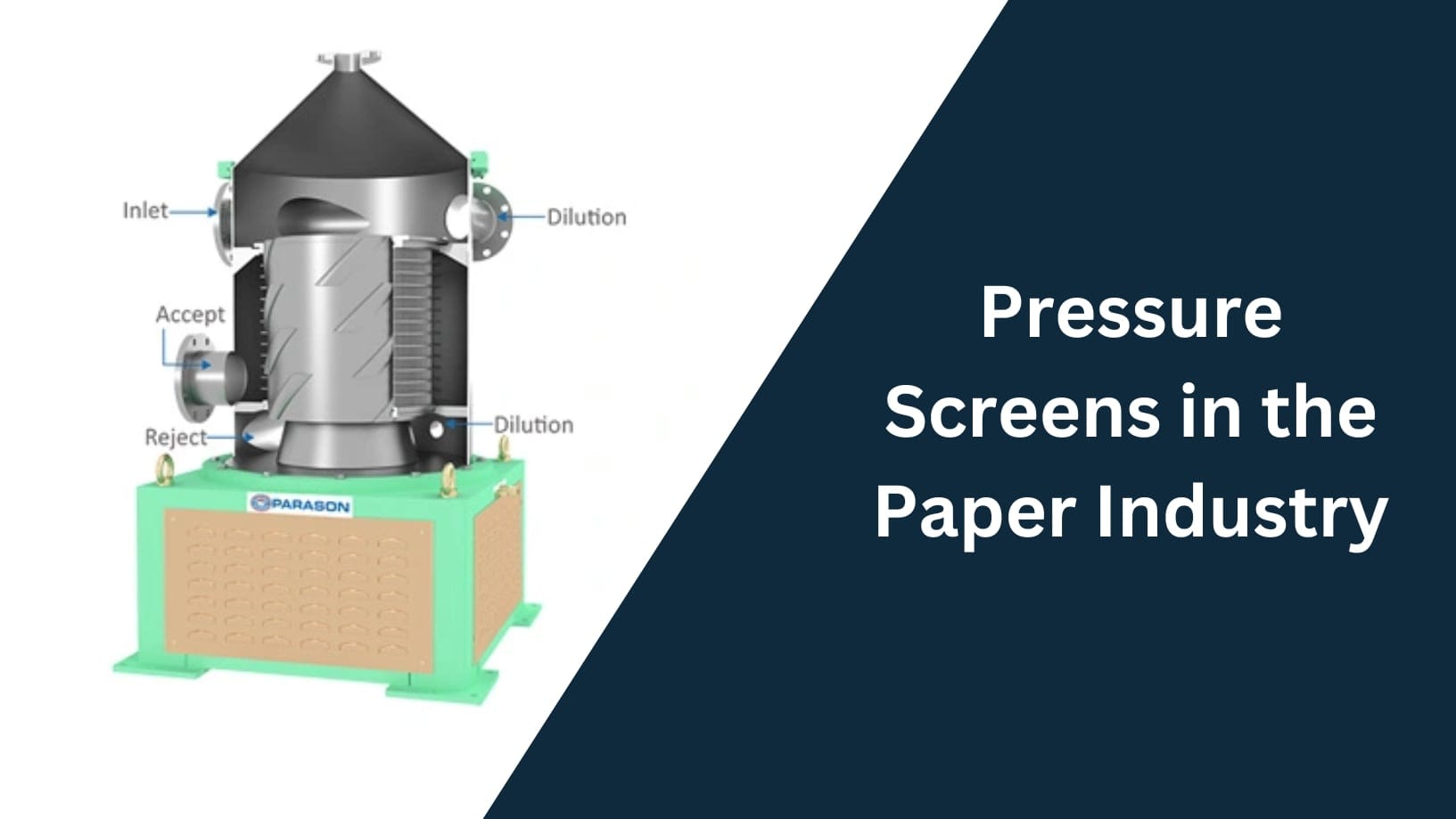
| Coarse Screen | VSM Series | 20–610 TPD | Removes large contaminants |
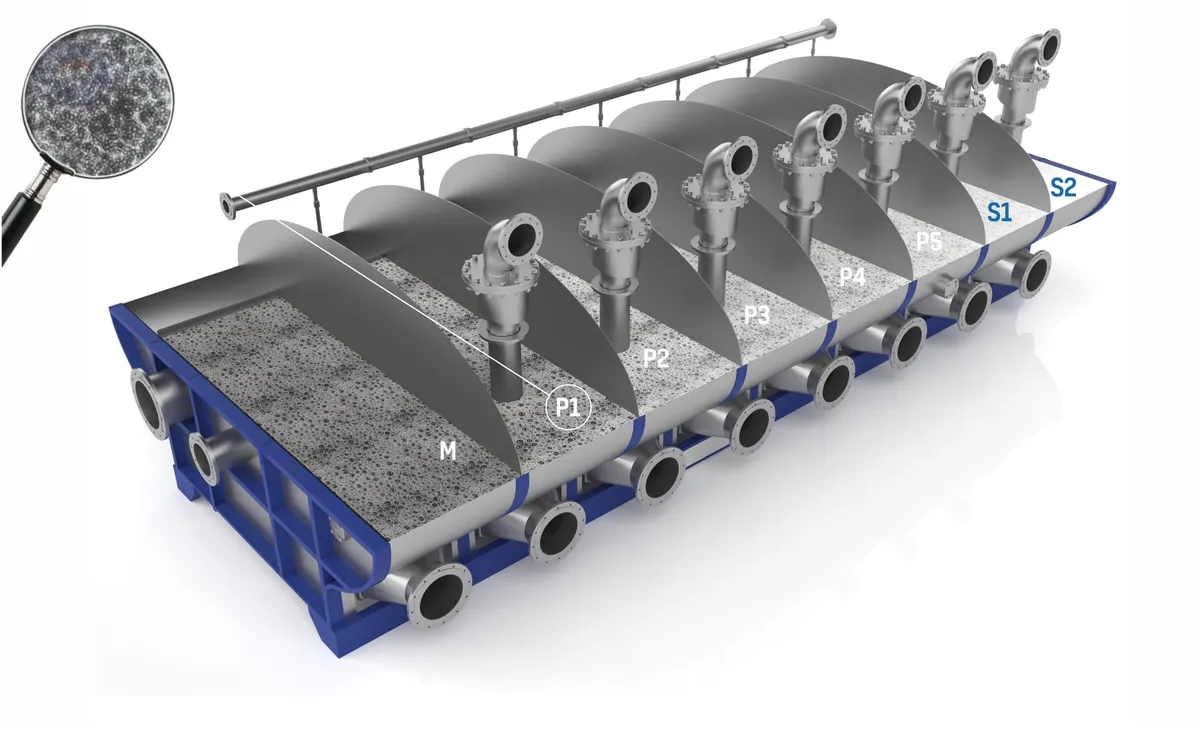
| Fine Screen | VSL Series (6 models) | 30–450 TPD | Removes shives, small plastics |
| LC Cleaner | LCC / PLC Series | 110–1,000 LPM | Removes fine particles |
| Refiner | TDR Series (10,000+ installations) | 8–600 TPD | Develops fibre bonding, 20% energy saving |
| Conical Refiner | CR Series | 8–600 TPD | 20–25% energy saving |
| Disc Filter | PDF 3.7 / 5.2 Series | 45–500 TPD | Thickens stock from 0.7% to 8–12% |
| Hot Disperser | DP Series | 20–300 TPD | Breaks down stickies and ink (recycled fibre) |
| Agitator | HTA / PVAT Series | Mill-specific | Keeps pulp in suspension |
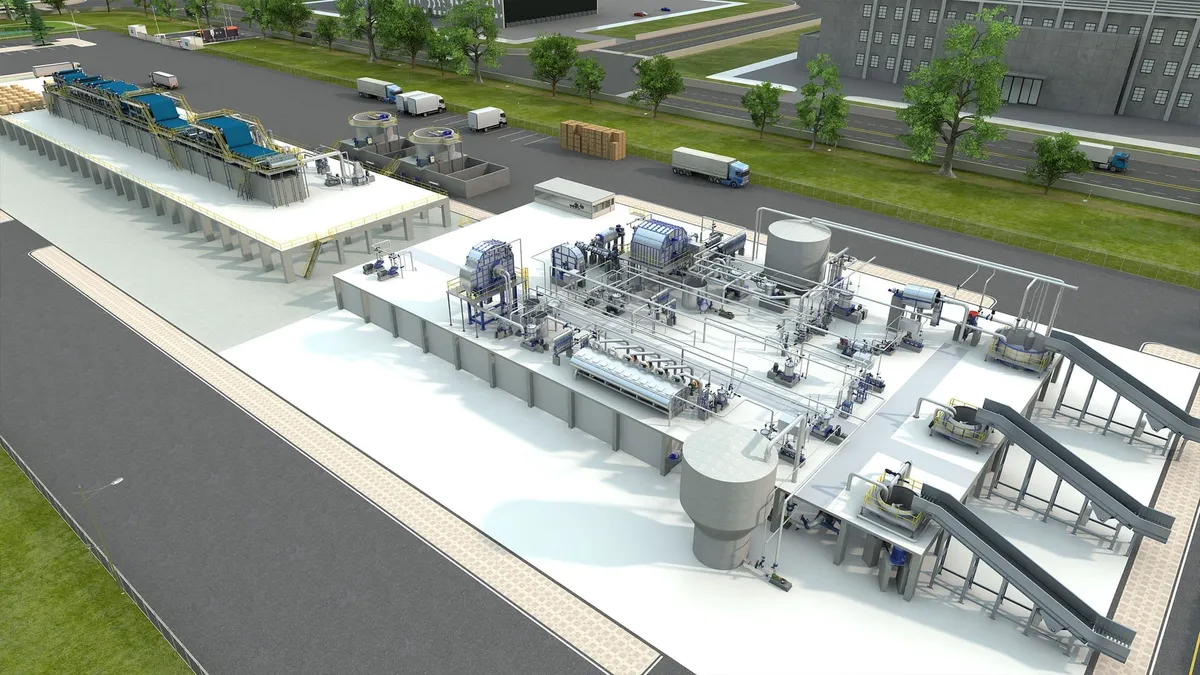
The total paper manufacturing machine cost is the sum of all these components plus piping, valves, instrumentation, civil work, erection, and commissioning. For kraft paper machine cost estimates, the stock preparation line represents a significant portion of the total project value — with the paper machine, dryers, and finishing equipment making up the rest. A turnkey project from Parason covers everything from concept to commissioning.
How to Reduce Your Pulping Equipment Cost
While quality equipment is a non-negotiable investment, there are engineering decisions that can reduce your pulping equipment cost without compromising production capability:
Right-size your equipment
Oversizing a pulper "for future capacity" wastes capital and energy today. Parason's engineering team sizes every component to your actual production plan — not worst-case scenarios. If your immediate target is 50 TPD with potential to grow to 80 TPD, the system can be designed for expansion without buying 80 TPD equipment upfront.
Choose energy-efficient equipment
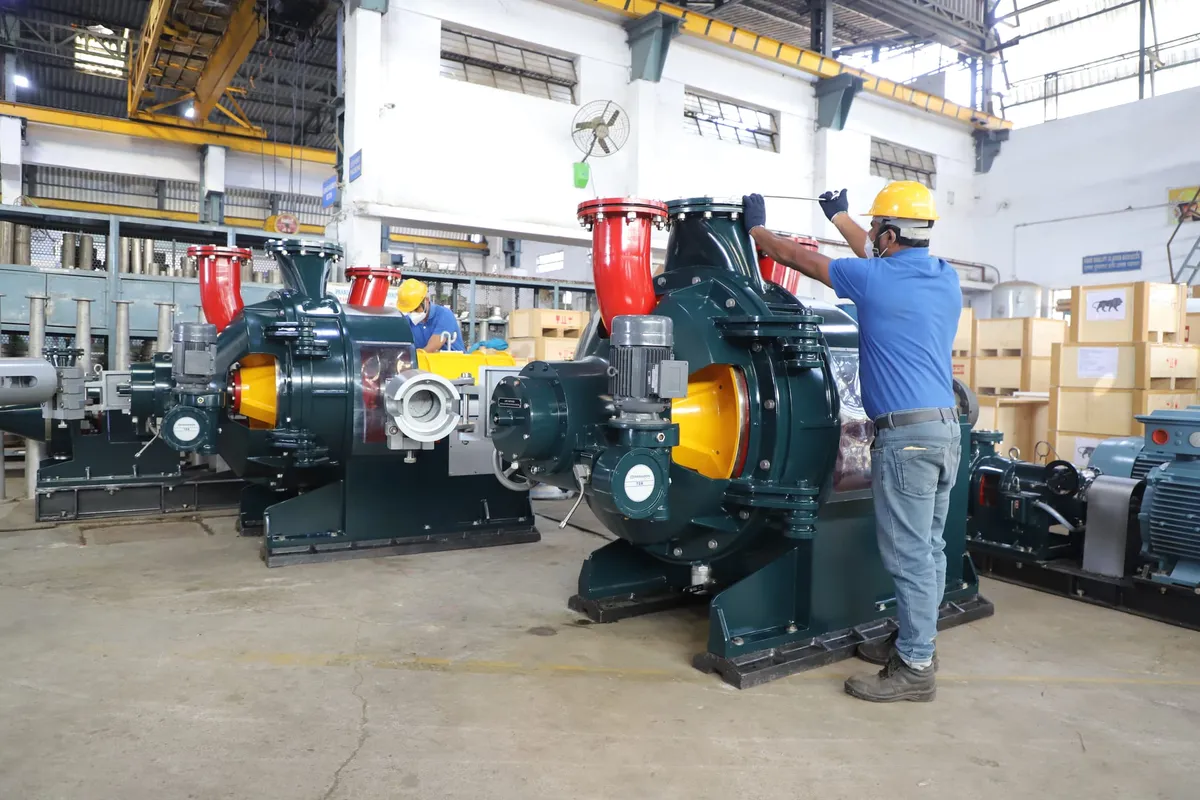
The Twin Disc Refiner (TDR Series) delivers a minimum 20% energy saving over conventional double disc refiners, and the Confiner (CR Series) saves 20–25% through its vortex centrifugal flow design. Over a 10-year equipment life, these energy savings often exceed the initial price difference.
Consider combined-function equipment
The Drum Pulper (PDP Series) combines pulping and primary screening in a single unit. The Combo Screen (PCS Series) combines coarse and fine screening. Fewer individual machines mean lower installation cost, less floor space, and simpler operation.
Invest in fibre recovery
Equipment like the Fibre Guard and Horizontal Reject Sorter (HRS Series, 8–40 TPD) recovers usable fibre from reject streams. This directly improves your raw material yield — reducing the amount of waste paper or virgin pulp you need to buy per tonne of finished product.
Plan for the complete system
Buying individual machines from different suppliers often costs more in total than a single-source supply. Engineering integration, piping design, control system compatibility, and commissioning are all simpler — and less expensive — when one manufacturer handles the entire paper mill equipment line.
Getting an Accurate Paper Pulp Machine Price
Every paper mill project is different. The paper pulp machine price for a 30 TPD kraft mill running on imported OCC will be different from a 100 TPD writing paper mill using virgin pulp. Raw material, paper grade, capacity, automation level, and scope all affect the final paper making machine cost.
To get an accurate investment estimate for your project, contact Parason's engineering team with your production target (TPD), paper grade, raw material, and preferred automation level. Our team will provide a detailed technical proposal with equipment specifications and project pricing within 7–10 working days.
With over 50 years of engineering experience, 2,000+ installations across 75+ countries, and manufacturing facilities in India and Brazil, Parason delivers equipment that runs reliably from commissioning — backed by local service support through our offices in India, Brazil, USA, UK, and UAE.